


 Japan Eases Arms Export Rules, Opening Door for Potential Ukraine Defense Support
  FEMA Reinstates Employees After Dissent Letter, Signaling Shift in Workforce Stability
  Trump Considers Reducing U.S. Troops in Germany Amid NATO Tensions
  Panama Defends Port Takeover Amid U.S.-China Tensions and Canal Dispute
  Comey Faces Charges Over Instagram Post as Free Speech Debate Intensifies
  Taiwan Independence Explained: History, Status, and Rising China Tensions
  Iran-U.S. Conflict Escalation Threatens Global Oil Supply and Economic Stability
  UN Chief Says U.S. UN Funding Obligations Are Non-Negotiable Amid Reform Demands
  US Adds European Union to Section 301 Watchlist Amid Trade Concerns
  U.S. Flags Vietnam as “Priority Foreign Country” Over Intellectual Property Concerns
  Trump White House Dinner Attack: Secret Service Denies Friendly Fire in Agent Shooting
  U.S. Military Presence in Germany Strengthens NATO Readiness and Training
  Aung San Suu Kyi Moved to House Arrest Amid Myanmar Political Crisis
  Lula Plans New Supreme Court Nomination After Historic Senate Rejection
  US-China Talks Put Taiwan at Center of Rising Geopolitical Tensions
  Trump Considers Withdrawing U.S. Troops from Italy and Spain Amid NATO Tensions
  Iran Threatens Prolonged Strikes as Strait of Hormuz Crisis Drives Global Oil Surge


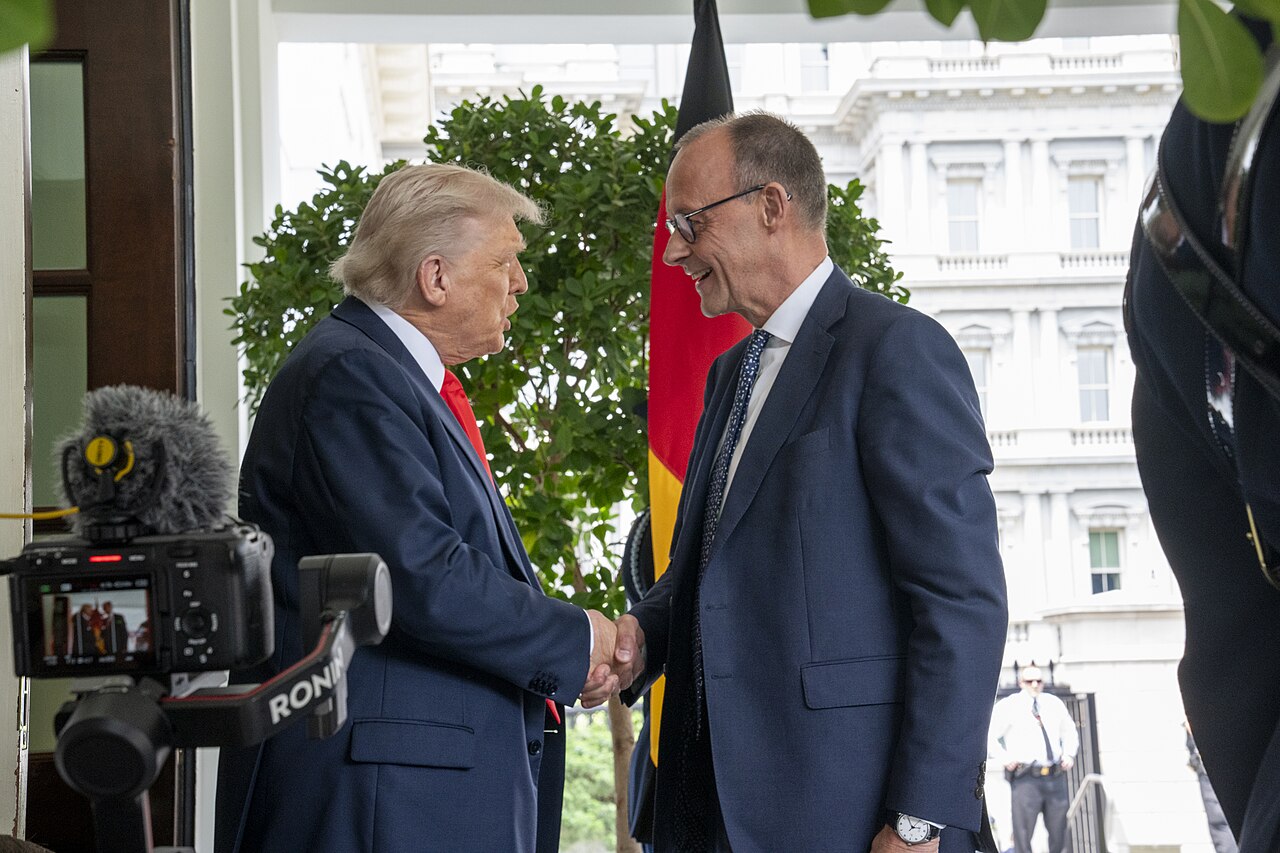
U.S. President Donald Trump intensified his criticism of German Chancellor Friedrich Merz on Thursday, accusing him of mishandling domestic issues and interfering in Washington’s efforts to address the Iran nuclear threat. The ongoing dispute highlights growing tensions between the United States and Germany over foreign policy, particularly concerning the escalating Iran conflict and the war in Ukraine.
In a post shared on Truth Social, Trump said Merz was “doing a terrible job” leading Germany and urged him to focus on resolving his country’s internal challenges, including immigration and energy concerns. Trump also criticized Merz’s approach to the Ukraine war, claiming the German leader had been “totally ineffective” in helping bring the conflict closer to resolution.
The latest remarks follow a series of exchanges between the two leaders. Earlier in the week, Trump dismissed Merz’s comments that Iran had gained the upper hand in negotiations to end the two-month-long war. Trump responded by saying the German chancellor “didn’t know what he was talking about,” further escalating the diplomatic friction.
During a White House event on Wednesday, Trump reiterated his stance, arguing that Germany was struggling domestically while failing to contribute meaningfully to global security challenges. He linked Germany’s difficulties to its handling of energy policy and migration issues, suggesting these problems were weakening its international influence.
Meanwhile, Merz struck a more measured tone, emphasizing the importance of the transatlantic alliance. Speaking at a military base, he reaffirmed Germany’s commitment to maintaining strong ties with its allies and confirmed ongoing cooperation regarding potential military efforts to reopen the Strait of Hormuz. The strategic waterway has been largely blocked since the outbreak of the Iran war on February 28, significantly disrupting global oil shipments, increasing energy prices, and impacting supply chains worldwide.
As geopolitical tensions rise, the disagreement between Trump and Merz underscores broader divisions among Western allies over how best to handle the Iran crisis and ongoing conflicts affecting global stability.







