


 U.S. Stock Futures Fall as Iran, Oil and AI Risks Rattle Markets
  Oil Prices Jump Nearly 3% as Iran Holds Firm on Hormuz Conditions
  BlackRock’s Rick Rieder Favors Bonds Over Stocks as Treasury Yields Surge
  UK Housebuilder Stocks Surge on New First-Time Buyer Loan Scheme
  RBA Set for September Rate Hike as Inflation Stays High
  Asian Currencies Mixed as Yen Weakens, RBA Hike Looms
  U.S. Stock Futures Steady as AI, Rate Concerns Weigh
  Japan Factory Output Unexpectedly Falls 1.7% in August
  Asian Stocks Fall as Bond Yields and Oil Prices Surge
  US Alcohol Ban Exposes Canada’s Internal Trade Barriers
  Asian Stocks Fall as Oil Surge, Bond Yields and AI Concerns Hit Markets
  Gold Rebounds as Oil Falls and Treasury Rout Eases
  Gold Prices Slip as High Treasury Yields Weigh on Bullion


 Add as a preferred source on Google
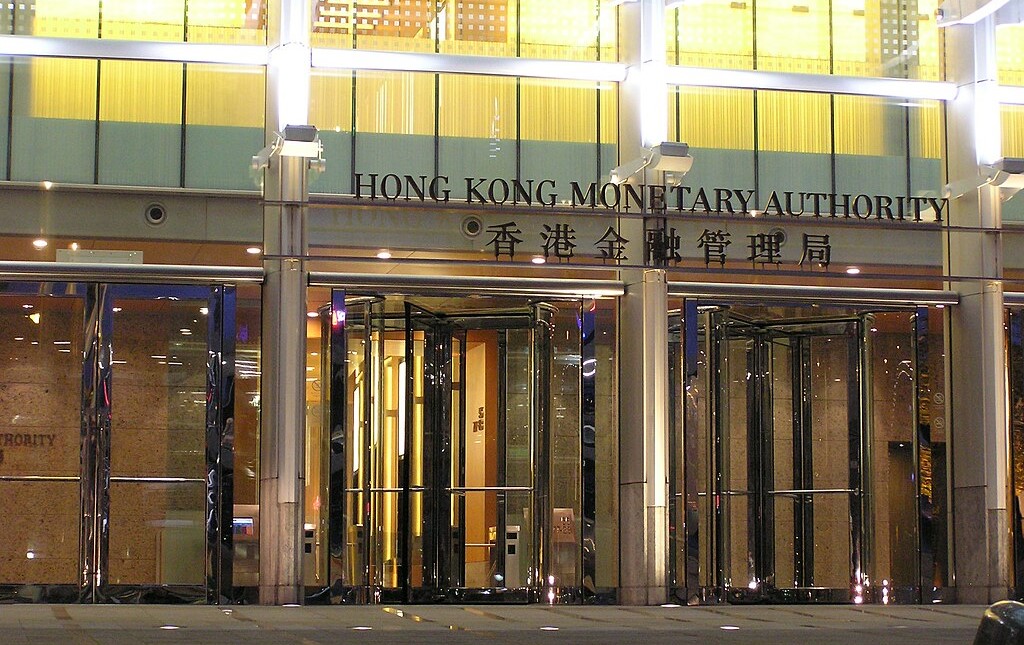
Hong Kong’s de facto central bank, the Hong Kong Monetary Authority (HKMA), intervened in currency markets on Thursday by purchasing US$1.2 billion worth of Hong Kong dollars after the local currency hit the weak end of its trading band at 7.85 per U.S. dollar. The move marked the first time in two years that the Hong Kong dollar triggered the weak-side Convertibility Undertaking (CU), which obliges the HKMA to buy the local currency to maintain its peg to the U.S. dollar.
HKMA Chief Executive Eddie Yue stated that future interventions may occur depending on capital flows and supply-demand conditions in the Hong Kong dollar market. As a result of Thursday's intervention, the aggregate balance—a key measure of banking system liquidity—will shrink by HK$9.42 billion on Friday.
The narrowing liquidity is expected to push up interbank lending rates, a trend already observed on Thursday. Analysts warn that continued weakness in the Hong Kong dollar could lead to further HKMA action, tightening liquidity and encouraging traders to maintain long USD/HKD carry trades.
The Hong Kong dollar has seen volatile movements in recent months amid heavy inflows from foreign and mainland Chinese investors participating in large IPOs and bargain-hunting in local stocks. Earlier, such inflows strengthened the currency, forcing HKMA to sell Hong Kong dollars to defend the peg, inadvertently boosting market liquidity and driving interbank rates lower.
This low-rate environment fueled speculative borrowing and leveraged plays across markets. However, with the recent shift in capital flows, liquidity tightening is expected, and the HKMA has signaled its readiness to act to ensure stability.
HKMA warned that uncertainties around interbank rates and currency trends remain elevated due to ongoing carry trade dynamics.







