


 BOJ Raises Interest Rate to 31-Year High as Yen Weakens
  RBA Hikes Interest Rate to 4.60% as Inflation Risks Rise
  Japanese Yen Retreats as Dollar Rises Ahead of Fed, BOJ Rate Decisions
  Nvidia China Chip Sales Report Sends Chinese Semiconductor Stocks Lower
  U.S. Stock Futures Steady as AI, Rate Concerns Weigh
  Gold Slides Below $4,300 as Oil Surge Fuels Fed Rate Hike Bets
  China, US Extend Trade Truce Through January 10 After Trump-Xi Summit
  US Dollar Hits Two-Month High as Aussie, Pound Slide
  South Korea Tax Windfall Could Top 50 Trillion Won on Chip Boom
  Yen in Focus as BOJ, Fed Rate Hikes Reshape Currency Markets
  RBA Set for September Rate Hike as Inflation Stays High
  Hong Kong Home Prices Stabilize in August After July Decline
  Asian Currencies Weaken as Dollar, Oil Prices Rise
  XRP Price Targets $1.70 as Bullish Momentum Builds


 Add as a preferred source on Google
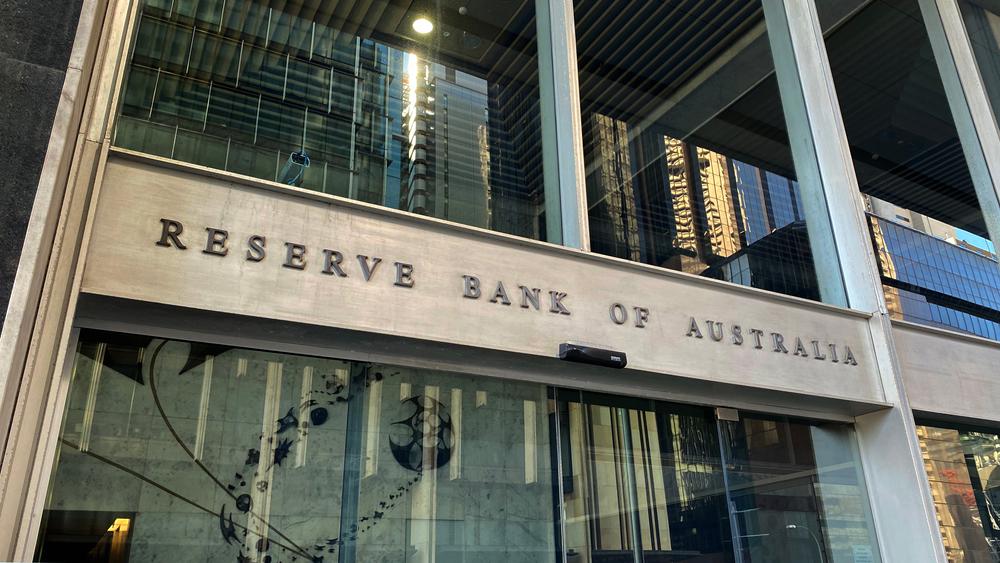
The Reserve Bank of Australia (RBA) increased its benchmark interest rate by 25 basis points to 4.35% on Tuesday, a move widely anticipated by markets. The decision reflects growing concerns over inflation, particularly as global uncertainties—such as the ongoing conflict in the Middle East—continue to pressure energy markets and overall price stability.
Eight out of nine members of the RBA’s policy board supported the rate hike, signaling strong consensus around tightening monetary policy. The central bank emphasized that inflation remains above its target range of 2% to 3% and is expected to stay elevated for an extended period. As a result, maintaining a restrictive policy stance is seen as necessary to bring inflation under control.
The RBA revised its inflation outlook upward, forecasting consumer price index (CPI) inflation to reach 4.0% this year, compared to its previous estimate of 3.6%. Core inflation, measured by trimmed mean CPI, is now projected to hit 3.5% by the end of 2026, also higher than earlier expectations. These revisions highlight persistent inflationary pressures, partly driven by supply disruptions linked to geopolitical tensions.
At the same time, the central bank downgraded its economic growth forecast. Australia’s GDP is now expected to grow by just 1.3% in 2026, down from the prior estimate of 1.8%. This reflects the balancing act between controlling inflation and sustaining economic activity.
Despite the latest increase, the RBA acknowledged uncertainty regarding how restrictive current monetary conditions are. Financial markets are already pricing in the possibility of another rate hike, potentially as soon as June. Analysts from Capital Economics predict the cash rate could peak at 4.60% by August, with further increases possible if inflation continues to exceed expectations.
Following the announcement, the Australian dollar weakened slightly, with AUD/USD falling around 0.2%. Meanwhile, the ASX 200 index also declined, reflecting cautious investor sentiment in response to tighter financial conditions and ongoing global risks.







