


 Fed’s Hammack Says Bond Yield Surge Is Not Driven by Inflation Fears
  Asian Currencies Weaken as Dollar, Oil Prices Rise
  Hong Kong Home Prices Stabilize in August After July Decline
  US Dollar Hits Two-Month High as Aussie, Pound Slide
  Japanese Yen Retreats as Dollar Rises Ahead of Fed, BOJ Rate Decisions
  RBI Uses $10 Billion Currency Swaps to Drain Excess Rupee Liquidity
  Global Central Banks Brace for More Rate Hikes as Inflation Risks Rise
  BOJ Raises Interest Rate to 31-Year High as Yen Weakens
  Central Banks Could Buy 20,000 Tonnes of Gold: BofA
  Oil Surge Pressures Global Stocks as U.S.-Iran Truce Hopes Fade
  Fed Unveils Stablecoin Rules Under GENIUS Act
  RBA Hikes Interest Rate to 4.60% as Inflation Risks Rise
  Gold Rebounds as Oil Falls and Treasury Rout Eases
  Fed Unveils Stablecoin Rules Under GENIUS Act


 Add as a preferred source on Google
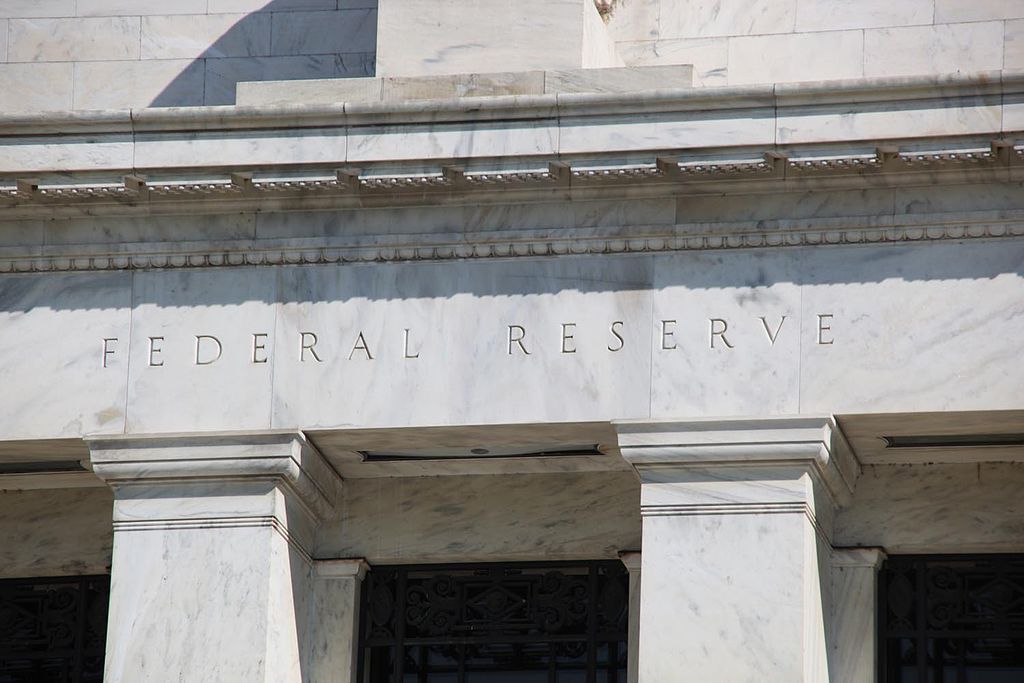
Chicago Federal Reserve President Austan Goolsbee has cautioned that recent inflation data presents a challenge for the U.S. central bank, reinforcing a cautious stance on potential interest rate cuts. Speaking in a recent Fox News interview, Goolsbee emphasized that the Federal Reserve needs stronger evidence that inflation is moving sustainably toward its 2% target before considering any policy easing.
The warning follows the latest Personal Consumption Expenditures (PCE) price index report, the Fed’s preferred inflation gauge, which showed a 3.5% annual increase in March. This higher-than-expected figure highlights persistent inflationary pressures across the U.S. economy. Goolsbee noted that inflation is now spreading into service sectors, which are typically less affected by external factors like tariffs, raising concerns about broader and more entrenched price increases.
Adding to the uncertainty are rising oil prices and ongoing geopolitical tensions, particularly involving Iran, which could further drive inflation higher. Goolsbee remarked that the current inflation trend “doesn’t look good,” signaling that the Federal Reserve may need to maintain tighter monetary policy for longer than markets anticipate.
The Fed’s latest policy meeting reflected growing internal divisions, with officials voting 8-4 to keep interest rates steady in the 3.5% to 3.75% range. This marked the most significant split within the central bank since 1992, largely driven by disagreements over forward guidance. Some policymakers pushed back against language suggesting that the next move would likely be a rate cut, underscoring uncertainty about the future direction of monetary policy.
Complicating the outlook further is an upcoming leadership transition. Kevin Warsh is ожидаing Senate confirmation to replace Jerome Powell as Federal Reserve Chair. Goolsbee expressed optimism about Warsh’s leadership while also praising Powell’s continued role on the Board of Governors, highlighting his experience and balanced approach.
Overall, the Federal Reserve faces a complex environment, balancing persistent inflation, internal policy debates, and leadership changes as it navigates the path forward for interest rates and economic stability.







