


 Asian Stocks Slip as US-Iran Ceasefire Hopes Lift Oil, Dollar Strength Persists
  Asian Stocks End Strong Quarter as Dollar Surges, Yen Hits 40-Year Low Ahead of US Jobs Data
  RBA Minutes Signal Australia Central Bank Remains Ready to Raise Interest Rates if Inflation Persists
  Gold Prices Drop as Fed Rate Outlook and Iran Tensions Weigh on Market
  Central Banks Eye Gold, Reduce Dollar Exposure as AI Adoption Accelerates: OMFIF Survey
  Yen Falls to 40-Year Low as Markets Watch Japan Intervention and U.S. Jobs Report
  Gold Price Hits Annual Low as Fed Rate Hike Bets and Sticky Inflation Weigh on Bullion
  US Stock Futures Steady as Investors Await Payrolls Data and Monitor Iran Tensions
  China Sets 1.25% Overnight Reverse Repo Rate Below Market Expectations
  Asian Currencies Stay Range-Bound as Investors Eye China Data, RBNZ Outlook and U.S.-Iran Ceasefire
  Japan Targets 1%+ Real Economic Growth With ¥370 Trillion Investment Plan
  Trump Suspends Some Morocco Fertilizer Tariffs to Ease U.S. Supply Shortage
  Oil Prices Rise as US-Iran Tensions Threaten Strait of Hormuz Oil Shipments
  Dollar Slips Ahead of Key U.S. Jobs Data as Fed Rate Outlook, ECB, and Iran Talks Shape Forex Markets
  Gold Price Falls as Fed Rate Hike Fears and U.S.-Iran Tensions Weigh on Bullion
  Trump Questions Housing Bill as He Prioritizes SAVE America Act
  Economic pessimism has set in – but there are reasons for Australians to be hopeful


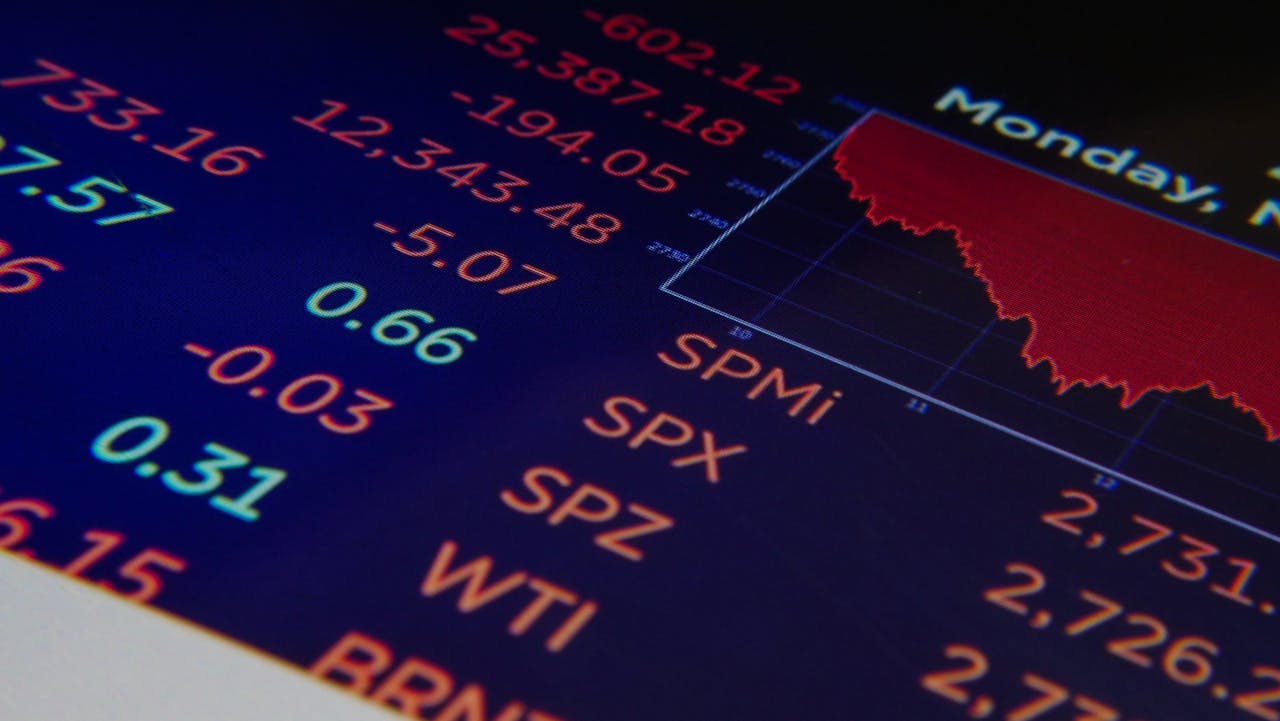
Asian stock markets posted modest gains on Thursday, supported by strength in technology and semiconductor stocks, while Chinese equities retreated as investors closely monitored the high-profile meeting between U.S. President Donald Trump and Chinese President Xi Jinping in Beijing.
Regional investors took positive cues from Wall Street after U.S. markets closed at record highs overnight, driven largely by strong performances in chipmakers and major technology companies. Market sentiment remained relatively resilient despite ongoing concerns surrounding the Iran conflict and its potential impact on global inflation and oil supply.
Chinese stocks underperformed compared to other Asian markets, with the Shanghai Shenzhen CSI 300 index dropping 0.8% and the Shanghai Composite declining 0.7%. The pullback came after both indexes recently touched multi-year highs, triggering profit-taking among investors ahead of the closely watched Trump-Xi summit.
The meeting between the U.S. and Chinese leaders is expected to focus on critical geopolitical and economic issues, including trade tariffs, artificial intelligence development, and Taiwan-related tensions. President Trump arrived in Beijing alongside several prominent U.S. business executives, raising optimism that diplomatic engagement could improve relations between the world’s two largest economies.
Elsewhere in Asia, markets saw mixed movement. Japan’s Nikkei 225 and South Korea’s KOSPI both posted gains of around 0.2%, with the Korean market continuing its strong recent momentum. Hong Kong’s Hang Seng Index climbed 0.7%, boosted by a sharp rally in Alibaba shares after the company announced plans to significantly increase investment in artificial intelligence over the next three years.
Meanwhile, Australia’s ASX 200 slipped 0.1%, extending its losing streak as investors remained cautious over inflation risks linked to the Iran conflict. Singapore’s Straits Times Index and India’s Nifty 50 futures also edged lower amid concerns about elevated crude oil prices and potential supply disruptions.







