


 RBA Set for September Rate Hike as Inflation Stays High
  BlackRock’s Rick Rieder Favors Bonds Over Stocks as Treasury Yields Surge
  Asian Stocks Fall as Oil Surge, Bond Yields and AI Concerns Hit Markets
  Gold Slides Below $4,300 as Oil Surge Fuels Fed Rate Hike Bets
  Asian Stocks Fall as Bond Yields and Oil Prices Surge
  XRP Price Targets $1.70 as Bullish Momentum Builds
  Fed’s Hammack Says Bond Yield Surge Is Not Driven by Inflation Fears
  RBI Uses $10 Billion Currency Swaps to Drain Excess Rupee Liquidity
  U.S. Stock Futures Steady as AI, Rate Concerns Weigh
  Europe’s AI Data Centre Boom Strengthens Case for Nuclear Power


 Add as a preferred source on Google
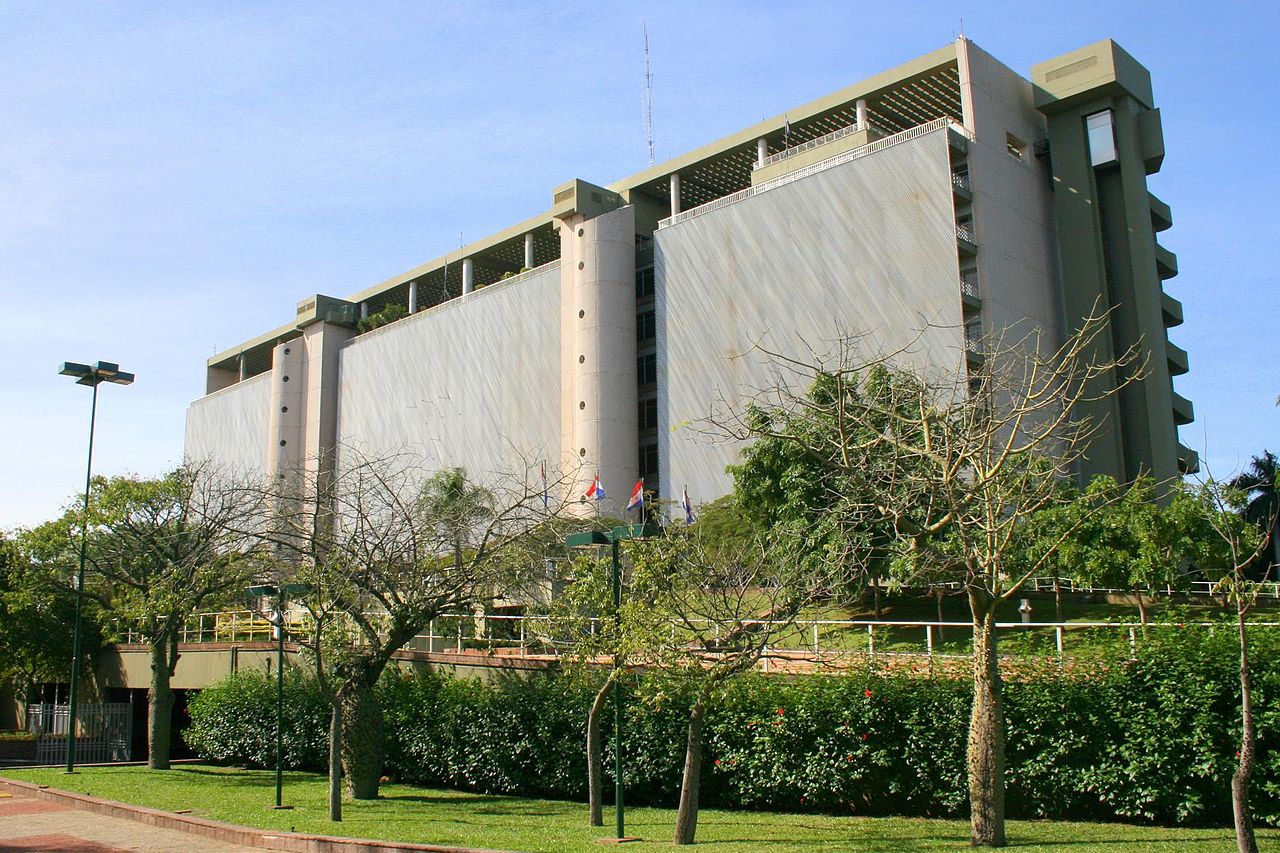
Paraguay’s central bank has decided to keep its benchmark interest rate unchanged at 5.5% for the second straight month, signaling confidence in the country’s stable inflation outlook despite ongoing global economic uncertainty. The Monetary Policy Committee (MPC) reached a unanimous decision to maintain the policy rate at 5.50% per annum, aligning with expectations from market analysts who anticipate steady borrowing costs through the remainder of the year.
The central bank continues to target an inflation rate of 3.5%, with an acceptable range of plus or minus two percentage points. Recent data suggests inflation remains well under control. In March, the Consumer Price Index (CPI) rose by 0.8% month-on-month, largely driven by higher fuel prices. However, annual inflation stood at just 1.9%, while core inflation—excluding food and energy—came in at 1.8%. Inflation expectations are firmly anchored at the central bank’s 3.5% target over both the next 12 months and the broader monetary policy horizon.
Economic growth indicators also reflect resilience in Paraguay’s economy. The Monthly Economic Activity Indicator showed a year-on-year increase of 3.8% in February, supported by strong performance across key sectors such as agriculture, services, construction, and utilities. Additionally, the Business Figures Estimator reported a 4.8% annual expansion, fueled by rising sales in vehicles, fuels, pharmaceuticals, and food products. The central bank has maintained its GDP growth forecast for 2026 at 4.2%, reinforcing a positive economic outlook.
Despite strong domestic fundamentals, policymakers remain cautious about external risks. The MPC highlighted ongoing geopolitical tensions, particularly in the Middle East, as a source of uncertainty that could impact global price stability. The International Monetary Fund (IMF) recently revised its 2026 global growth forecast downward to 3.1% while increasing its global inflation projection to 4.4%.
Looking ahead, Paraguay’s central bank is expected to closely monitor both domestic economic performance and international developments. The next MPC meeting is scheduled for May 22, 2026, where policymakers will reassess conditions and determine whether adjustments to the interest rate are necessary.







