


 UK Housebuilder Stocks Surge on New First-Time Buyer Loan Scheme
  Oil Prices Jump Nearly 3% as Iran Holds Firm on Hormuz Conditions
  RBA Set for September Rate Hike as Inflation Stays High
  Fed Unveils Stablecoin Rules Under GENIUS Act
  US Dollar Hits Two-Month High as Aussie, Pound Slide
  Nvidia China Chip Sales Report Sends Chinese Semiconductor Stocks Lower
  Fed’s Hammack Says Bond Yield Surge Is Not Driven by Inflation Fears
  RBA Hikes Interest Rate to 4.60% as Inflation Risks Rise
  Asian Stocks Fall as Bond Yields and Oil Prices Surge
  BOJ Flags Import Costs and Yen Shocks as Persistent Inflation Risks
  Europe’s AI Data Centre Boom Strengthens Case for Nuclear Power
  Australia Budget Deficit Narrows to A$22.3 Billion on Stronger Tax Revenue
  Central Banks Could Buy 20,000 Tonnes of Gold: BofA
  XRP Price Targets $1.70 as Bullish Momentum Builds
  Asian Chip Stocks Tumble as OpenAI Safety Pause Sparks AI Growth Concerns


 Add as a preferred source on Google
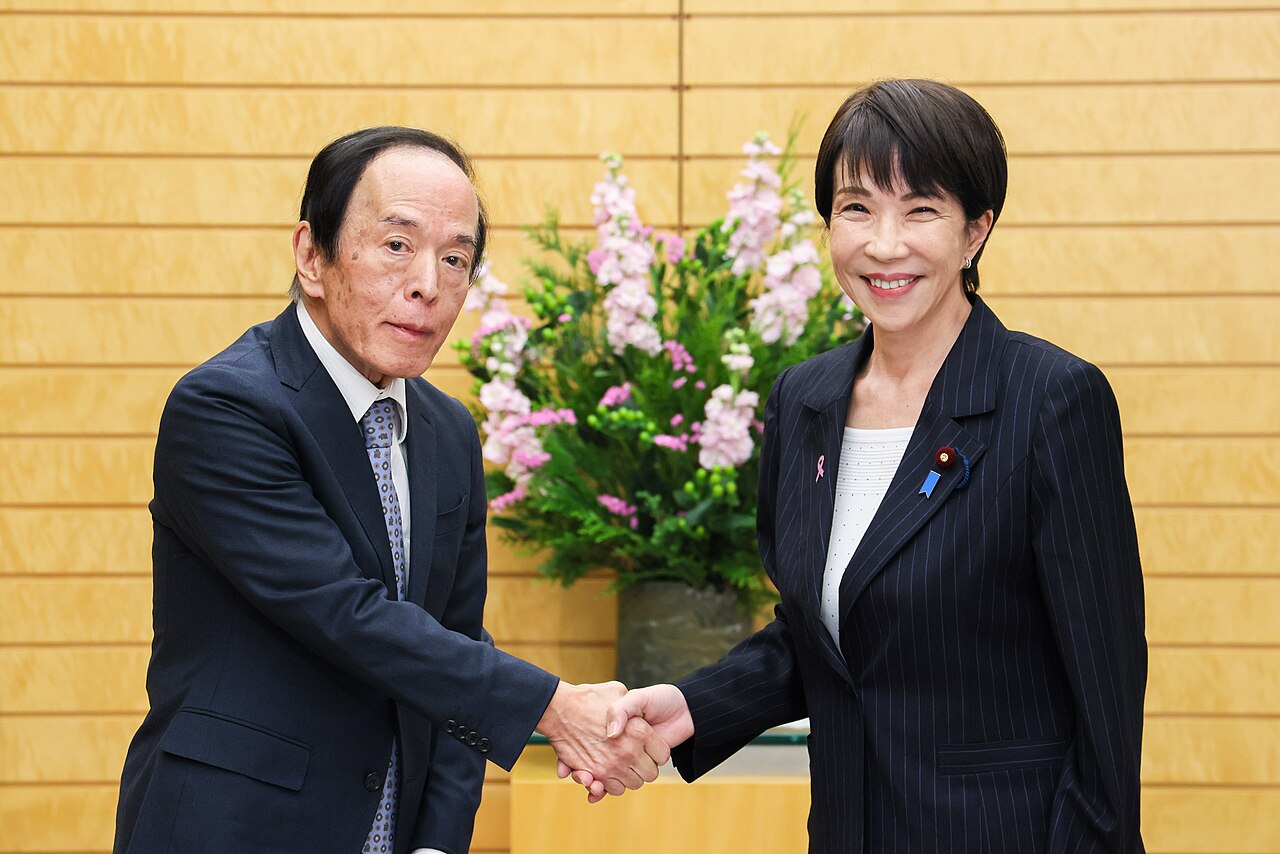
Bank of Japan Governor Kazuo Ueda signaled on Thursday that the central bank's next move on interest rates will need to carefully account for Japan's currently low real interest rates, even as the country navigates a complex inflation landscape shaped by supply-side pressures.
Speaking to reporters following his attendance at the International Monetary Fund meetings in Washington — where G7 and G20 finance leaders also convened — Ueda acknowledged that Japan's financial conditions remain broadly accommodative. He noted that real interest rates are low across the medium-term yield curve, a factor that must be weighed heavily in any future monetary policy decision.
Japan's inflation challenge, Ueda explained, stems primarily from a negative supply shock rather than surging consumer demand. This distinction matters because supply-driven inflation is inherently more resistant to conventional monetary tightening tools, and the appropriate response can differ significantly between economies. Ueda emphasized a flexible, data-driven approach, stating that policymakers would assess all available information at each scheduled meeting before making any moves.
On the global front, Ueda noted that widespread concern remains over uncertainty tied to the ongoing Middle East conflict and its potential impact on crude oil prices. For Japan, higher energy costs pose a dual threat — weakening the country's terms of trade while simultaneously stoking inflation expectations. These headwinds, however, are being partially offset by strong corporate earnings and the economic lift provided by government stimulus initiatives.
Ueda framed the overall outlook as a careful balancing act: an economic slowdown could dampen prices, while rising oil costs risk pushing underlying inflation higher. The Bank of Japan, he made clear, will continue navigating these crosscurrents with measured, evidence-based decisions as new economic data emerges.







