


 Oil Prices Fall as Iran Proposes New Deal Amid Ongoing U.S. Tensions
  Oil Prices Surge Amid U.S.-Iran Tensions and Supply Disruption Fears
  Dollar Gains Slightly as Yen Volatility Continues After Japan Intervention
  EU Warns of Response as U.S. Considers 25% Tariffs on Car Imports
  AI Stocks Rally in Asia as Oil Surge and Hawkish Central Banks Shake Global Markets
  WTI Crude Oil Prices Rise Amid Iran Conflict Uncertainty
  Iran-U.S. Conflict Escalation Threatens Global Oil Supply and Economic Stability
  US Stock Futures Mixed as Fed Holds Rates, Oil Prices Surge, and Big Tech Earnings Drive Market Moves
  China Manufacturing PMI Beats Forecasts in April Amid Weak Domestic Demand
  Asian Stock Markets Rise Amid Wall Street Rally and U.S.-Iran Tensions
  China Factory Activity Extends Growth in April Despite Global Pressures
  Oil Prices Ease but Remain Set for Strong April Gains Amid Middle East Tensions
  Dollar Holds Near Two-Week High as Fed Hawkish Shift Lifts Yields, Yen Near Intervention Zone
  Gold Prices Hold Steady as Iran War and Interest Rate Outlook Weigh on Markets
  Tokyo Inflation Slows Despite Energy Pressures and BOJ Policy Outlook


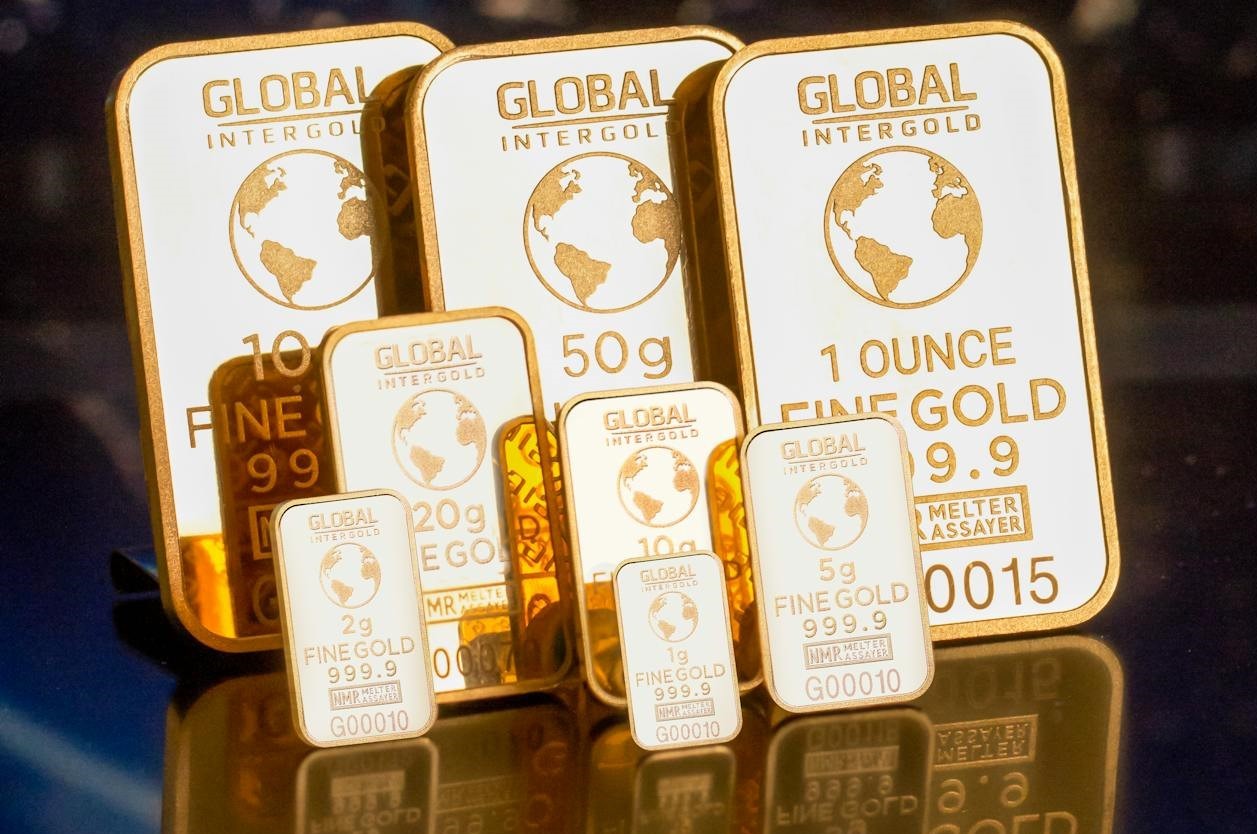
Spot gold surged past the key psychological level of $4,500 per ounce for the first time on Wednesday, marking a historic milestone for the precious metal and reinforcing its status as a preferred safe-haven asset. The sharp rise in gold prices reflects growing investor anxiety over global economic uncertainty, geopolitical risks, and increasing expectations that major central banks will begin cutting interest rates in the near future.
Gold’s rally has been driven largely by strong safe-haven demand as investors seek protection from volatile equity markets, persistent inflation concerns, and slowing global growth. Heightened geopolitical tensions and ongoing uncertainty around monetary policy have further boosted the appeal of bullion, which is traditionally viewed as a store of value during times of instability. As risk appetite weakens, capital continues to flow into gold, pushing prices to unprecedented highs.
Expectations of interest rate cuts have also played a crucial role in supporting gold’s upward momentum. Lower interest rates reduce the opportunity cost of holding non-yielding assets like gold, making it more attractive compared to bonds and other interest-bearing investments. Recent economic data suggesting cooling inflation and softer labor market conditions have strengthened market bets that central banks, particularly the U.S. Federal Reserve, may pivot toward a more accommodative policy stance.
The weakening of the U.S. dollar has provided additional tailwinds for gold prices. Since gold is priced in dollars, a softer greenback makes the metal cheaper for overseas buyers, further stimulating demand. Central bank gold purchases and steady inflows into gold-backed exchange-traded funds have also contributed to the sustained price surge.
Market analysts note that breaking above $4,500 could open the door for further gains if supportive macroeconomic conditions persist. However, they caution that short-term volatility may occur as traders lock in profits after the strong rally. Despite potential pullbacks, the broader outlook for gold remains bullish, supported by safe-haven demand, rate cut expectations, and ongoing global uncertainties.
With gold prices at record levels, investors are closely watching upcoming economic data and central bank signals for clues on the next major move.







