


 Global Financial Firms Shift Asia Expansion Focus to South Korea as China, India Face Caution
  Canada Grants C$7 Million to Greenland Molybdenum Mine to Strengthen Critical Minerals Supply
  China Factory PMI Seen Returning to Growth in June as AI Export Demand Supports Economy
  US Stock Futures Rise as US-Iran Ceasefire Hopes Boost Market Sentiment
  China Expands Export Controls, Adds 20 Japanese Companies to Restricted List
  Argentina Economy Shrinks 1.5% in April, Recovery Under Milei Loses Momentum
  Asian Currencies Stay Range-Bound as Investors Eye China Data, RBNZ Outlook and U.S.-Iran Ceasefire
  Yen Falls to 40-Year Low as Markets Watch Japan Intervention and U.S. Jobs Report
  Asian Stocks End Strong Quarter as Dollar Surges, Yen Hits 40-Year Low Ahead of US Jobs Data
  US Dollar Slips After PCE Inflation Data as Fed Rate Hike Expectations Stay Elevated
  Gold Price Falls as Fed Rate Hike Fears and U.S.-Iran Tensions Weigh on Bullion
  Oil Prices Rise as US-Iran Tensions Threaten Strait of Hormuz Oil Shipments
  Japan Targets 1%+ Real Economic Growth With ¥370 Trillion Investment Plan
  Trump Questions Housing Bill as He Prioritizes SAVE America Act
  RBA Minutes Signal Australia Central Bank Remains Ready to Raise Interest Rates if Inflation Persists
  Gold Price Ends Lower for Fourth Week Despite Rebound as Fed Rate Hike Bets Strengthen


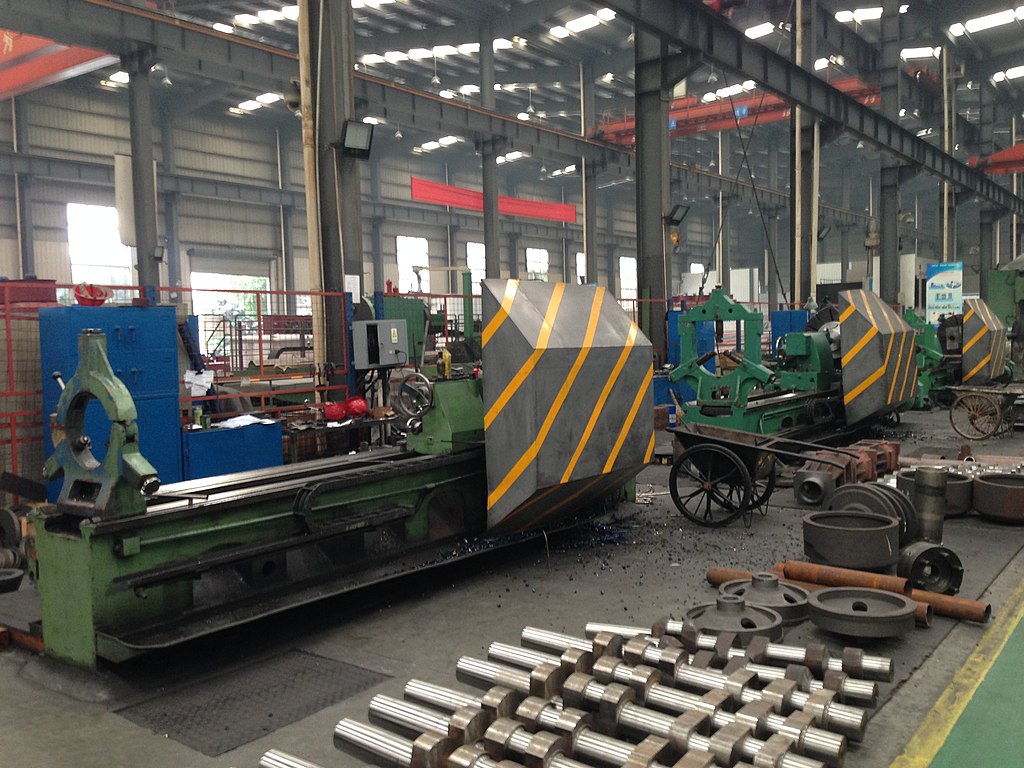
China’s manufacturing sector showed modest growth in April, surpassing expectations, but broader economic momentum remained uneven due to weak domestic demand and slowing non-manufacturing activity. According to data released by the National Bureau of Statistics, the official manufacturing Purchasing Managers’ Index (PMI) came in at 50.3, slightly above the forecast of 50.1. However, the figure dipped marginally from March’s 50.4, signaling a slower pace of expansion. A PMI reading above 50 indicates growth, and April marked the second consecutive month of expansion for China’s manufacturing industry.
The improvement in manufacturing activity was largely driven by strong global demand for Chinese exports. Increased overseas orders supported production levels and boosted factory output, helping sustain industrial growth. Despite this positive trend, the overall economic outlook remains constrained by subdued domestic consumption and external disruptions, including geopolitical tensions in the Middle East that have impacted oil supply chains and shipping activity.
In contrast, China’s non-manufacturing sector showed signs of contraction. The non-manufacturing PMI fell to 49.4 in April, below both expectations of 49.9 and the previous month’s 50.1. This decline highlights ongoing weakness in domestic demand, as rising fuel costs and economic uncertainty have led consumers to reduce spending. As a result, service sector activity and construction growth have slowed.
The combined impact of weaker services and slower manufacturing growth pushed China’s composite PMI down to 50.1 from 50.5 in March, indicating that overall business activity is still expanding but at a reduced pace.
Meanwhile, private-sector data presented a more optimistic view. The RatingDog China manufacturing PMI rose sharply to 52.2 in April, outperforming expectations of 50.9 and increasing from 50.8 in March. This index focuses more on private companies, particularly in southern China, whereas the official PMI tracks larger, state-owned enterprises in the north. Investors often analyze both indicators to gain a comprehensive understanding of China’s economic performance.
Overall, while China’s manufacturing sector continues to expand, ongoing domestic challenges and global uncertainties suggest a cautious outlook for sustained economic growth.







