


 Japan Targets 1%+ Real Economic Growth With ¥370 Trillion Investment Plan
  Gold Prices Drop as Fed Rate Outlook and Iran Tensions Weigh on Market
  Trump Urges Gasoline Retailers to Cut Prices to $2.50 Per Gallon, Warns of Legal Action
  Global Financial Firms Shift Asia Expansion Focus to South Korea as China, India Face Caution
  Gold Price Falls as Fed Rate Hike Fears and U.S.-Iran Tensions Weigh on Bullion
  World Bank Approves $1.1 Billion Emergency Funding for Bangladesh Amid Food and Energy Price Pressures
  Canada Grants C$7 Million to Greenland Molybdenum Mine to Strengthen Critical Minerals Supply
  US Stock Futures Steady as Investors Await Payrolls Data and Monitor Iran Tensions
  Asian Stocks End Strong Quarter as Dollar Surges, Yen Hits 40-Year Low Ahead of US Jobs Data
  Economic pessimism has set in – but there are reasons for Australians to be hopeful
  China Sets 1.25% Overnight Reverse Repo Rate Below Market Expectations
  US Dollar Slips After PCE Inflation Data as Fed Rate Hike Expectations Stay Elevated
  Trump Questions Housing Bill as He Prioritizes SAVE America Act
  China Expands Export Controls, Adds 20 Japanese Companies to Restricted List
  Trump Threatens 100% Tariffs on Countries Imposing Digital Services Taxes on U.S. Tech Firms
  Oil Prices Slip as U.S.-Iran Peace Talks and Strait of Hormuz Risks Keep Markets on Edge
  Trump Suspends Some Morocco Fertilizer Tariffs to Ease U.S. Supply Shortage


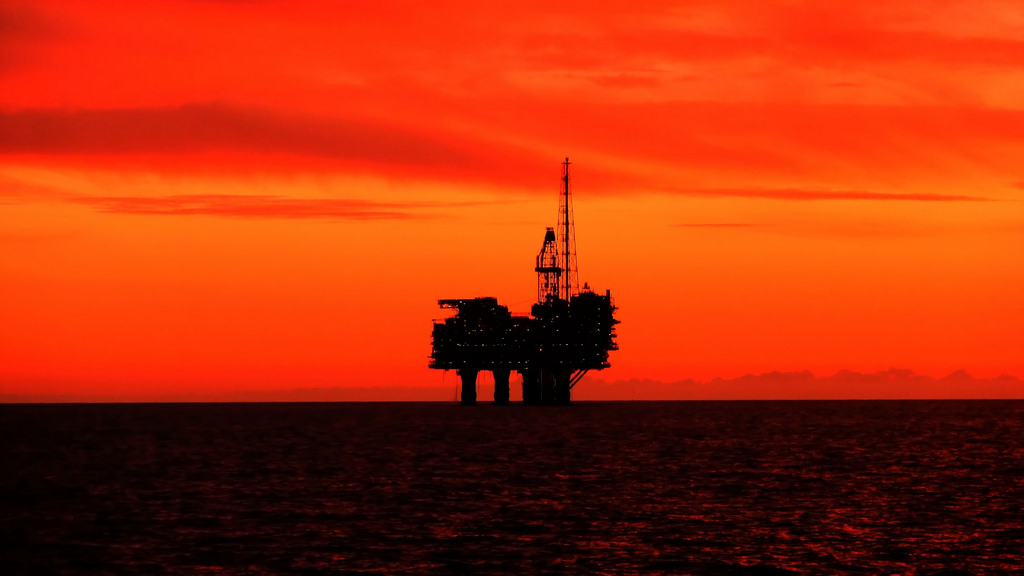
Global oil prices climbed sharply on Thursday as escalating geopolitical tensions between the United States and Iran fueled concerns about further supply disruptions in the Middle East. Brent crude oil prices surged by as much as 7%, reflecting heightened market anxiety over potential military action and ongoing instability in a key oil-producing region.
Brent crude futures for June rose $6.81, or 5.8%, reaching $124.84 per barrel, extending gains from the previous session. The more actively traded July contract also increased by 3% to $113.78 per barrel. Meanwhile, U.S. West Texas Intermediate (WTI) crude futures climbed $2.76, or 2.6%, to $109.64 per barrel, continuing a strong upward trend seen in recent sessions. Both oil benchmarks are on track for a fourth consecutive month of gains, with Brent prices more than doubling since the start of the year and WTI rising over 90%.
The surge in oil prices comes amid reports that the U.S. is considering military strikes against Iran to break a diplomatic stalemate over its nuclear program. The situation has intensified since airstrikes began earlier this year, followed by Iran’s retaliation through the near-total closure of the Strait of Hormuz—a critical chokepoint for global oil shipments. Although a ceasefire has temporarily halted direct conflict, the U.S. blockade of Iranian ports continues to disrupt supply chains.
Market analysts warn that the ongoing conflict could prolong supply shortages. With negotiations stalled, the likelihood of reopening the Strait of Hormuz remains uncertain. Experts also note that geopolitical risks are currently outweighing longer-term factors such as OPEC+ influence, especially after the United Arab Emirates announced its exit from the group.
Despite expectations that OPEC+ may increase oil production slightly, analysts believe it will not be sufficient to offset current supply deficits. As prices continue to rise, demand destruction—where consumers reduce usage due to high costs—is emerging as a possible balancing factor, though it may not fully resolve the supply gap.
Overall, the oil market remains highly volatile, driven by geopolitical developments, supply constraints, and shifting global demand patterns.







