


 Trump Questions Housing Bill as He Prioritizes SAVE America Act
  Japan Targets 1%+ Real Economic Growth With ¥370 Trillion Investment Plan
  Economic pessimism has set in – but there are reasons for Australians to be hopeful
  Asian Stocks End Strong Quarter as Dollar Surges, Yen Hits 40-Year Low Ahead of US Jobs Data
  Gold Price Ends Lower for Fourth Week Despite Rebound as Fed Rate Hike Bets Strengthen
  China Sets 1.25% Overnight Reverse Repo Rate Below Market Expectations
  Argentina Economy Shrinks 1.5% in April, Recovery Under Milei Loses Momentum
  Asian Stocks Slip as US-Iran Ceasefire Hopes Lift Oil, Dollar Strength Persists
  Global Financial Firms Shift Asia Expansion Focus to South Korea as China, India Face Caution
  Trump Suspends Some Morocco Fertilizer Tariffs to Ease U.S. Supply Shortage
  Canada Grants C$7 Million to Greenland Molybdenum Mine to Strengthen Critical Minerals Supply
  Yen Falls to 40-Year Low as Markets Watch Japan Intervention and U.S. Jobs Report
  US Stock Futures Steady as Investors Await Payrolls Data and Monitor Iran Tensions
  Gold Prices Drop as Fed Rate Outlook and Iran Tensions Weigh on Market
  Asian Currencies Stay Range-Bound as Investors Eye China Data, RBNZ Outlook and U.S.-Iran Ceasefire
  US Dollar Slips After PCE Inflation Data as Fed Rate Hike Expectations Stay Elevated
  China Expands Export Controls, Adds 20 Japanese Companies to Restricted List


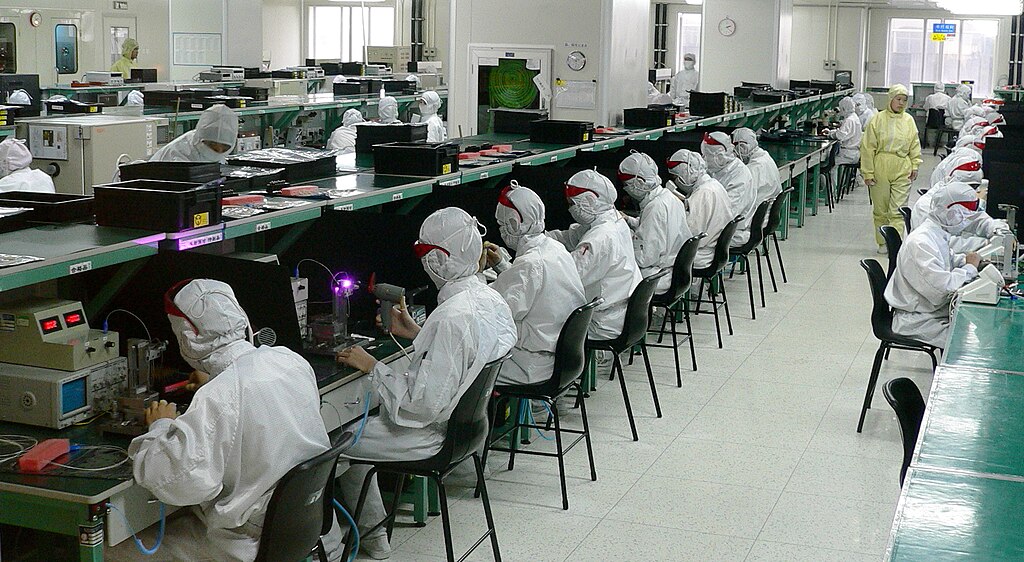
China’s manufacturing sector continued to expand for a second consecutive month in April, signaling resilience in the world’s second-largest economy despite ongoing global uncertainties. According to official data from the National Bureau of Statistics (NBS), the manufacturing purchasing managers’ index (PMI) registered at 50.3, slightly down from 50.4 in March but still above the critical 50 threshold that separates expansion from contraction. The figure also exceeded market expectations, which had projected a reading of 50.1.
The latest PMI data highlights steady industrial output and increased stockpiling activity, both of which contributed to sustained growth momentum. The production sub-index showed a modest improvement, indicating stronger factory output. However, new orders slowed to 50.6 from March’s 51.6, suggesting softer demand. Meanwhile, the raw materials inventory index improved but remained below the expansion line, reflecting cautious restocking among manufacturers.
China’s economic performance in early 2026 has been stronger than anticipated, with first-quarter GDP growth reaching 5% year-on-year, aligning with the government’s annual target. This solid start has reduced immediate pressure for aggressive economic stimulus measures. Still, challenges persist. Rising unemployment and weak retail sales point to sluggish domestic consumption, while export growth has shown signs of slowing, partly due to last year’s high comparison base.
Global factors continue to influence China’s outlook. Elevated oil prices, driven in part by geopolitical tensions in the Middle East, have pushed producer prices higher, ending a prolonged deflationary trend. However, these rising costs may compress profit margins, particularly in energy-intensive industries like petrochemicals.
In contrast to the official PMI, a private survey by S&P Global showed stronger expansion, with the Caixin China Manufacturing PMI climbing to 52.2 in April from 50.8 in March. This divergence reflects differences in survey focus, with the private index capturing smaller, export-oriented firms.
Despite ongoing risks from global conflicts and fluctuating demand, China’s manufacturing sector remains stable, supported by policy efforts to strengthen energy security and mitigate external shocks.







