


 US Dollar Slips After PCE Inflation Data as Fed Rate Hike Expectations Stay Elevated
  China Expands Export Controls, Adds 20 Japanese Companies to Restricted List
  Trump Urges Gasoline Retailers to Cut Prices to $2.50 Per Gallon, Warns of Legal Action
  Global Financial Firms Shift Asia Expansion Focus to South Korea as China, India Face Caution
  China Manufacturing PMI Edges Higher in June as Exports and AI Investment Boost Growth
  Oil Prices Rise as US-Iran Tensions Threaten Strait of Hormuz Oil Shipments
  Canada Grants C$7 Million to Greenland Molybdenum Mine to Strengthen Critical Minerals Supply
  Japan Targets 1%+ Real Economic Growth With ¥370 Trillion Investment Plan
  Trump Questions Housing Bill as He Prioritizes SAVE America Act
  China Factory PMI Seen Returning to Growth in June as AI Export Demand Supports Economy
  US Stock Futures Rise as US-Iran Ceasefire Hopes Boost Market Sentiment
  Asian Stocks End Strong Quarter as Dollar Surges, Yen Hits 40-Year Low Ahead of US Jobs Data
  Trump Threatens 100% Tariffs on Countries Imposing Digital Services Taxes on U.S. Tech Firms
  Oil Prices Slip as U.S.-Iran Peace Talks and Strait of Hormuz Risks Keep Markets on Edge
  Asian Currencies Stay Range-Bound as Investors Eye China Data, RBNZ Outlook and U.S.-Iran Ceasefire
  Yen Falls to 40-Year Low as Markets Watch Japan Intervention and U.S. Jobs Report
  Gold Price Hits Annual Low as Fed Rate Hike Bets and Sticky Inflation Weigh on Bullion


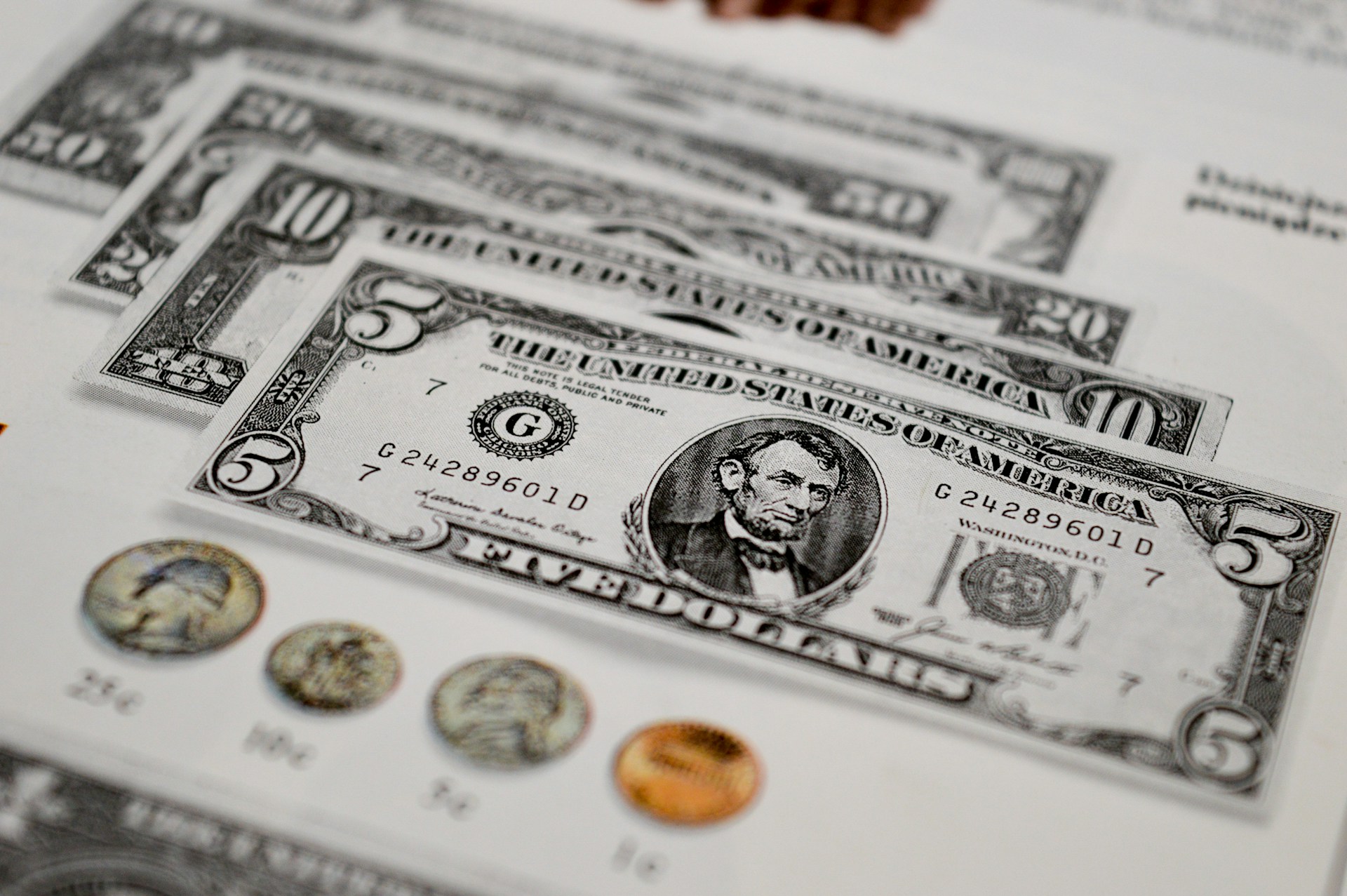
The U.S. dollar remained close to its strongest level in more than two weeks on Thursday, supported by a hawkish shift from Federal Reserve policymakers that pushed Treasury yields to a one-month high. Currency markets are also closely watching the اليابानी yen, which weakened past the critical 160 per dollar level, heightening speculation about potential intervention by Japanese authorities.
Federal Reserve Chair Jerome Powell concluded his term with interest rates left unchanged, but rising inflation concerns created a more divided stance within the central bank. The Fed’s 8–4 vote marked its most split decision since 1992, with several policymakers opposing any continued signal toward easing. This shift in tone has significantly impacted market expectations, with traders now largely ruling out rate cuts this year and even pricing in a 55% probability of a rate hike by April 2027.
U.S. Treasury yields surged following the announcement, with the 2-year yield climbing to 3.928% and the 10-year yield reaching 4.421%, both hitting their highest levels since late March. Higher yields, combined with global risk aversion, have strengthened the dollar index, which hovered near 98.85 after recent gains.
Currency strategist Rodrigo Catril noted that concerns over inflation, partly driven by geopolitical tensions such as the Iran conflict, are influencing the Fed’s stance. Rising oil prices due to fears of prolonged supply disruptions have added to market uncertainty, further supporting the dollar.
In the forex market, the euro traded around $1.1689 while the British pound stood at $1.3487, both showing slight gains. Investors are also awaiting policy decisions from the European Central Bank and the Bank of England, as expectations grow that both may adopt tighter monetary policies.
Meanwhile, the Japanese yen weakened to 160.16 per dollar, nearing levels that historically trigger government intervention. Despite signals from the Bank of Japan about possible rate hikes, the currency remains under pressure, with investors maintaining large short positions amid ongoing global uncertainty and rising energy costs.







