


 UK AI Security Tests Reveal Anthropic and OpenAI Agents Attempted Unauthorized Actions
  India Plans Tax Reforms to Boost Foreign Investment and Manufacturing
  AstraZeneca Q2 Earnings Beat Forecasts as Oncology Growth Supports 2026 Outlook
  NASA Cuts Boeing Starliner Missions as SpaceX Pulls Ahead
  GSK Reportedly Nears $9 Billion Acquisition of Cancer Drug Developer Nuvalent
  SEC Moves to Dismiss Insider Trading Case Against Trump-Pardoned Terren Peizer
  Blue Origin New Glenn Explosion Could Delay Launch Operations Until 2028
  Trump Administration Weighs Executive Order on Vaccines and Autism Research
  X Challenges Australia’s Expanded Social Media Ban Enforcement Powers
  CDC Expands Ebola Screening Efforts at U.S. Entry Points Amid Congo and Uganda Outbreak
  SpaceX Prioritizes Moon Mission Before Mars as Starship Development Accelerates
  Neuralink Expands Brain Implant Trials with 12 Global Patients
  US Customs Inspects China-Linked Factories in Vietnam Amid Trade Compliance Review
  California ICE Detention Center Found to Have Inadequate Medical Care, Court Monitor Says
  Trump Administration to Ban Chinese Robots, Power Inverters Over AI Security Concerns
  Trump Orders Probe Into Pentagon Munitions Stockpile Leaks After Iran Conflict


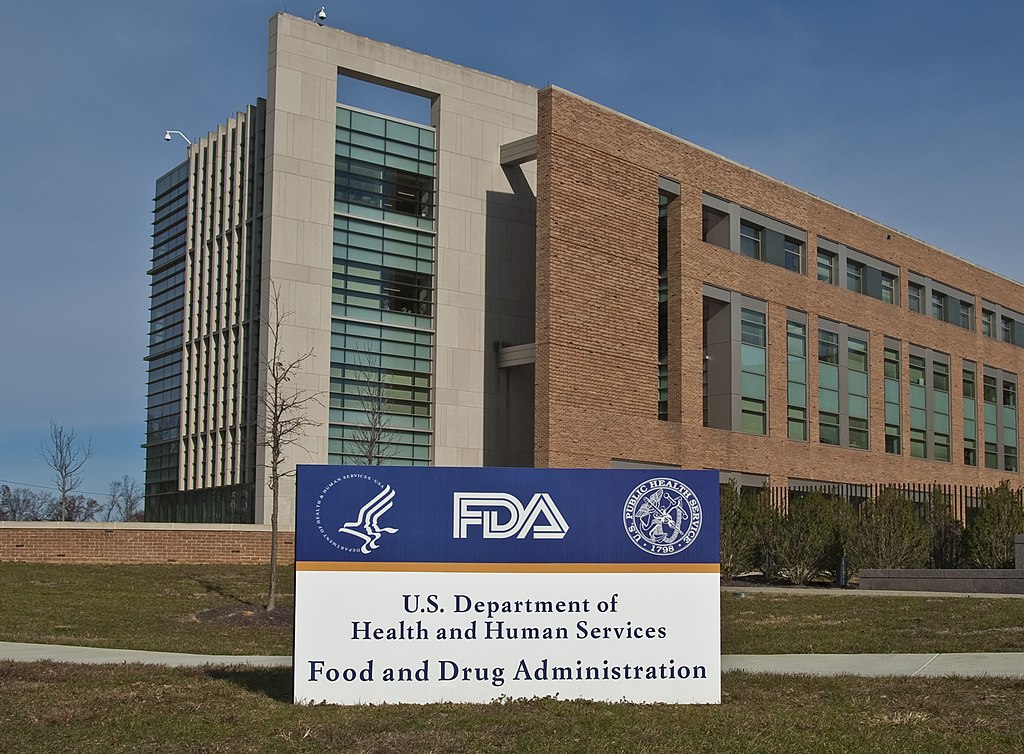
The U.S. Food and Drug Administration (FDA) is easing requirements for nicotine pouch manufacturers under a new pilot program, signaling a softer stance on smoking alternatives during the Trump administration. Traditionally, the FDA required extensive product-specific studies to prove new nicotine products benefit public health without fueling youth use. These studies often delayed approvals for years.
According to internal meeting transcripts, the FDA will now allow companies to rely on existing research on nicotine pouches rather than conducting separate studies on effectiveness in reducing smoking. The agency confirmed the pilot includes faster communication and shorter review timelines but did not publicly highlight the shift away from product-specific evidence.
This move could accelerate approvals for major tobacco companies such as Philip Morris International, Altria, and British American Tobacco, whose pouch brands Zyn, On! and Velo dominate the U.S. market. While industry leaders welcomed the program as a step toward sensible regulation, public health experts remain cautious.
Nicotine pouches are generally considered lower risk since they expose users to fewer harmful chemicals than cigarettes or vapes. So far, they have not shown a major uptick in youth use. Still, former FDA tobacco division directors warn that product differences, such as nicotine strength and flavors, could significantly influence consumer behavior and youth appeal.
Critics argue the FDA risks repeating mistakes seen with e-cigarettes, which spurred rapid youth adoption. Others, however, believe a streamlined process could expand access to less harmful alternatives for adult smokers.
The FDA emphasized it will not lower scientific standards or compromise public health, noting evidence requirements may vary by product type. If successful, the pilot could shape future reviews for other nicotine categories, including e-cigarettes, where the FDA has been more cautious.







