


 ECB Eyes Rate Hike Amid Iran Conflict-Driven Energy Price Surge
  Australia's Inflation Eases in February but Core Pressures Persist
  Oil Prices Plunge Over 6% as Middle East Ceasefire Hopes Ease Supply Fears
  Golden Dome Missile Defense: Anduril and Palantir Join Forces on Trump's $185B Space Shield
  Wall Street Slides as Iran War Uncertainty, Oil Surge, and AI Fears Rattle Markets
  Delivery Hero Sells Taiwan Foodpanda to Grab for $600 Million in Debt-Reduction Push
  Innate Pharma Reports 55% Revenue Drop and €49.2M Net Loss for 2025
  Time to buy local: war fuel price shocks reveal the folly of a long food supply chain
  Global Flight Cancellations 2026: Middle East Air Travel Chaos Explained
  Gold Prices Surge on U.S.-Iran Ceasefire Reports
  AWS Bahrain Region Disrupted by Drone Activity Amid Middle East Conflict
  Bank of Japan Unveils New Inflation Gauge to Support Case for Future Rate Hikes
  Gold Prices Climb as Middle East Ceasefire Talks Stir Market Optimism
  Currency Markets Show Caution Amid U.S.-Iran Negotiations
  Japan Eyes Oil Futures Intervention to Stabilize Yen Amid Middle East Crisis
  Oil Prices Slip as Middle East Tensions Ease, Heading for Weekly Loss
  Trump Tariffs Show Minimal Economic Impact but Boost Federal Revenue, Study Finds


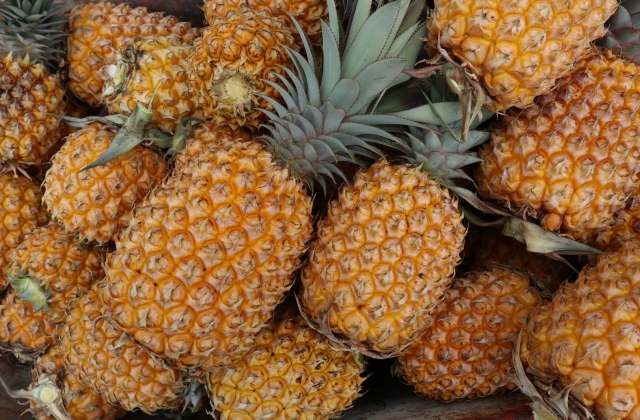
China banned the imports of pineapple, and the order came into effect earlier this week. Beijing announced that the tropical fruit could not enter the country, and Taiwan assumed that this is a political move.
Taiwan’s doubts China’s reason for stopping the pineapple imports
China insists the ban was only implemented for “biosecurity reasons.” Taiwan’s minister of economic affairs, Wang Mei-Hua, also told CNBC that the decision was suddenly made because the pineapples from Taiwan failed to meet the standards of international trade rules.
After Beijing’s decision for the pineapple ban was released, Taiwan said the move was unfair. China said that the Chinese customs officials found pests in the tropical fruit that came from Taiwan, so it was placed on hold.
Taiwan Affairs Office of the State Council, an administrative organization under Beijing, explained that the pests could be a serious threat to the agriculture and ecological security of China.
This is the only reason why the pineapples were intercepted and refused entry into the country. But still, Taiwan is not convinced this is the real motive for the pineapple ban.
“All of a sudden, China notified us about the pineapple pests and immediately banned imports of our products,” Wang Mei-Hua said during an interview with CNBC. “We believe that it does not comply with international trade rules.”
Taiwan rejects Beijing’s reasoning about harmful pests
Although Taiwan said that it would also check the situation and talk to China about the issue, it is still not accepting the reason given to them. The Taiwanese government stated that all their products are being sold in China and other markets are good.
Finally, as per The Guardian, after rejecting China’s claim about pests, the Taiwanese government accused Beijing of making unacceptable unilateral decisions. Taiwan’s President Tsai Ing-Wen then showed his support to the local farmers who produce import-grade pineapples. He did this by asking the public to eat more fruit that he called the “freedom pineapple” to help the producers in the country, especially today when the import has been halted.







