


 Oil Prices Rise as US-Iran Tensions Threaten Strait of Hormuz Oil Shipments
  Yen Falls to 40-Year Low as Markets Watch Japan Intervention and U.S. Jobs Report
  Oil Prices Slip as U.S.-Iran Peace Talks and Strait of Hormuz Risks Keep Markets on Edge
  Central Banks Eye Gold, Reduce Dollar Exposure as AI Adoption Accelerates: OMFIF Survey
  Economic pessimism has set in – but there are reasons for Australians to be hopeful
  Asian Stocks End Strong Quarter as Dollar Surges, Yen Hits 40-Year Low Ahead of US Jobs Data
  Gold Price Ends Lower for Fourth Week Despite Rebound as Fed Rate Hike Bets Strengthen
  US Stock Futures Rise as US-Iran Ceasefire Hopes Boost Market Sentiment
  Japan Targets 1%+ Real Economic Growth With ¥370 Trillion Investment Plan
  China Factory PMI Seen Returning to Growth in June as AI Export Demand Supports Economy
  RBA Minutes Signal Australia Central Bank Remains Ready to Raise Interest Rates if Inflation Persists
  Asian Currencies Stay Range-Bound as Investors Eye China Data, RBNZ Outlook and U.S.-Iran Ceasefire
  China Sets 1.25% Overnight Reverse Repo Rate Below Market Expectations
  Global Financial Firms Shift Asia Expansion Focus to South Korea as China, India Face Caution
  Trump Threatens 100% Tariffs on Countries Imposing Digital Services Taxes on U.S. Tech Firms
  US Dollar Slips After PCE Inflation Data as Fed Rate Hike Expectations Stay Elevated
  Trump Suspends Some Morocco Fertilizer Tariffs to Ease U.S. Supply Shortage


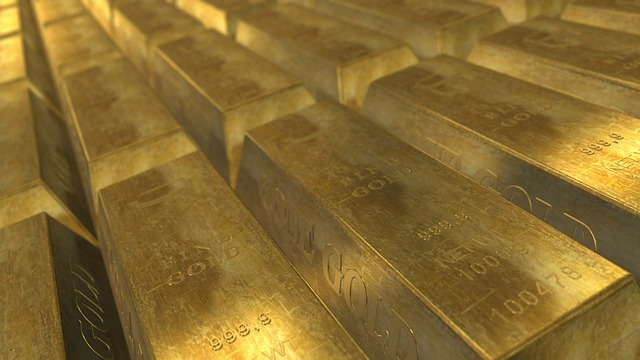
Gold prices edged higher on Wednesday as cautious optimism surrounding potential U.S.-Iran ceasefire negotiations lifted sentiment across global markets. Spot gold climbed 0.7% to $4,504.58 per ounce, while U.S. gold futures jumped 2.3% to $4,534.90 per ounce, signaling renewed investor interest in the precious metal.
Diplomatic tensions remained front and center after Washington reportedly presented Tehran with a 15-point peace proposal, which included demands to dismantle key nuclear facilities and reopen the Strait of Hormuz — a critical global shipping lane that has been closed to oil tankers for weeks, fueling energy price spikes and stoking inflation fears worldwide. Iran's foreign minister, however, stated that indirect message exchanges through mediators do not constitute formal negotiations, keeping uncertainty elevated.
Oil markets reflected the cautious mood, with Brent crude briefly dipping below $100 per barrel before stabilizing. While still dramatically elevated from pre-conflict levels near $70 per barrel, the pullback offered some relief. Lower oil prices typically ease bond yields and pressure the U.S. dollar, conditions that historically support gold's appeal as a non-yielding asset.
Despite Wednesday's gains, gold has struggled to perform its traditional safe-haven role during this conflict. Analysts noted that gold's sharp rally in late January, followed by a steep correction, damaged investor confidence in the asset during periods of geopolitical stress. With many market participants no longer pricing in Federal Reserve rate cuts — and some even anticipating a potential hike — gold sentiment has faced headwinds.
Adding to the complex picture, commodity ETFs recorded their largest monthly outflows in history during March, with roughly $11 billion withdrawn from around 100 funds. Analysts suggest that broadly diversified commodity strategies may now attract traders seeking inflation hedges beyond gold-centric positions.







