


 Javier Milei Cabinet Chief Manuel Adorni Resigns Amid Spending Scandal Investigation
  Russian Attacks Kill Four in Ukraine as Zaporizhzhia and Kharkiv Come Under Fire
  Trump Announces September Overhaul of Washington’s East Potomac Golf Links
  Russia Intensifies Assault on Kostiantynivka as Ukraine’s Donetsk Defense Faces Mounting Pressure
  Serbia President Aleksandar Vucic to Resign, Calls Early Elections After Months of Protests
  Russian Attacks on Dnipro, Zaporizhzhia, and Kharkiv Kill 10 as Ukraine Vows Response
  Australia, Vanuatu Sign Security Pact Amid Pacific Influence Competition
  Canada Grants C$7 Million to Greenland Molybdenum Mine to Strengthen Critical Minerals Supply
  Trump Urges Gasoline Retailers to Cut Prices to $2.50 Per Gallon, Warns of Legal Action
  Andy Burnham Sets Out Vision to Decentralize Britain as Labour Leadership Race Begins
  Sheinbaum Says No One Is Above the Law After Abuse Video of Ex-Pemex Chief Emerges
  Maria Corina Machado’s Return to Venezuela Faces U.S. Hesitation After Deadly Earthquakes
  Ukraine Strikes Russian Titan-Barrikady Plant With Long-Range FP-5 Flamingo Missile
  Supreme Court Backs Lisa Cook, Defends Federal Reserve Independence Against Trump Firing Attempt
  Iran Skips U.S. Technical Talks Over Unmet MoU Conditions and Frozen Funds Dispute
  Despite its best efforts, Iran won’t be able to toll the Strait of Hormuz. Here’s why


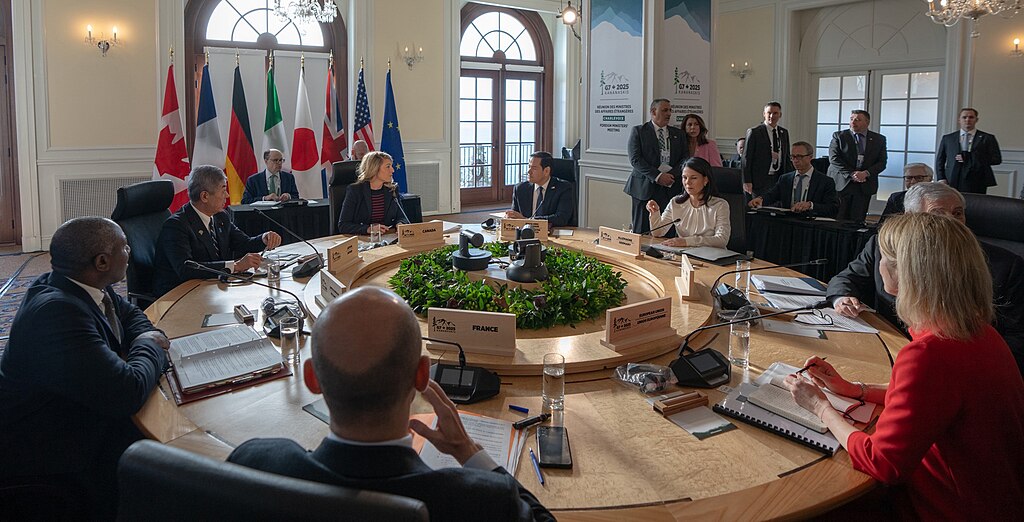
Foreign ministers from the world's top Western democracies have convened in France this week for a high-stakes two-day summit at the historic 12th-century Abbaye des Vaux-de-Cernay, located roughly 40 kilometers southwest of Paris. The G7 gathering — bringing together representatives from Britain, Canada, France, Germany, Italy, Japan, and the United States, along with the European Union — comes at a moment of extraordinary geopolitical pressure, with active conflicts in Iran and Ukraine, global economic instability, and deep concern over Washington's shifting foreign policy priorities under President Donald Trump.
Once defined by strong transatlantic unity, the G7 bloc has seen growing fractures since Trump returned to the White House in 2025. Sudden policy reversals on trade tariffs, the Ukraine war, and Middle East strategy have left both allies and adversaries scrambling to adapt. France's top military official openly criticized Washington's unpredictability this week, warning it is undermining allied security interests. Notably, ministers have abandoned plans for a joint final communiqué — a clear sign of the strains within the group.
A central focus of the summit will be U.S. Secretary of State Marco Rubio's appearance on the second day. European partners are pressing for a clear briefing on U.S. and Israeli military operations against Iran, particularly given Tehran's effective closure of the Strait of Hormuz, which has disrupted nearly a fifth of the world's oil supply. Energy security and diplomatic off-ramps are now urgent agenda items.
On Ukraine, European officials are firmly pushing back against any peace settlement that disadvantages Kyiv. They are calling for stronger sanctions on Russia, continued military support, and protections for Ukraine's energy infrastructure ahead of another brutal winter. Ukraine's foreign minister is also attending the talks.
Ministers from Brazil, India, South Korea, and Saudi Arabia are participating as key non-G7 voices on global security and energy. The summit also sets the stage for France's G7 leaders' summit in the Alps next June, with multilateralism, trade imbalances, and a proposed task force targeting global drug trafficking all on the broader agenda.







