


 RBA Hikes Interest Rate to 4.60% as Inflation Risks Rise
  XRP Price Targets $1.70 as Bullish Momentum Builds
  U.S. Stock Futures Steady as AI, Rate Concerns Weigh
  Europe’s AI Data Centre Boom Strengthens Case for Nuclear Power
  US Dollar Hits Two-Month High as Aussie, Pound Slide
  Central Banks Could Buy 20,000 Tonnes of Gold: BofA
  South Korea Exports Set for 16th Monthly Gain on AI Chip Demand
  Gold Rebounds as Oil Falls and Treasury Rout Eases
  Asian Currencies Weaken as Dollar, Oil Prices Rise
  China, US Extend Trade Truce Through January 10 After Trump-Xi Summit
  BlackRock’s Rick Rieder Favors Bonds Over Stocks as Treasury Yields Surge
  Japan Warns Markets Over Yen Weakness
  U.S. Stock Futures Fall as Iran, Oil and AI Risks Rattle Markets
  Fed’s Williams Signals One More Rate Hike Before Year-End
  RBA Set for September Rate Hike as Inflation Stays High
  BOJ Set for 25-Basis-Point Rate Hike as Yen Weakness Fuels Inflation


 Add as a preferred source on Google
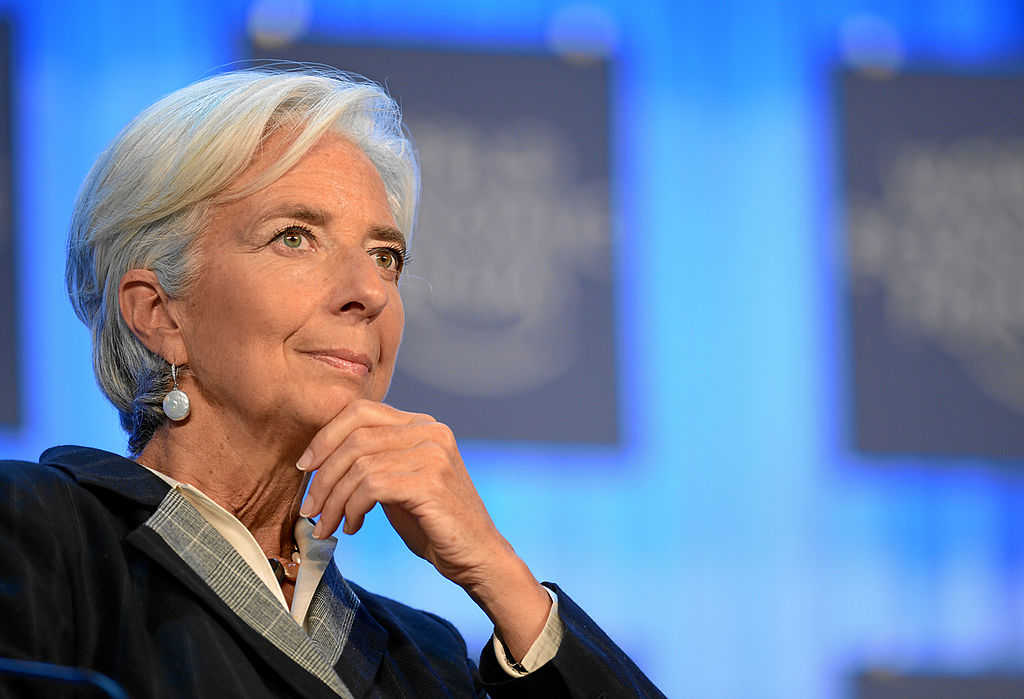
The European Central Bank (ECB) is weighing potential interest rate hikes as escalating conflict in Iran sends energy prices soaring, triggering fresh inflationary concerns across the eurozone. Market participants are now closely watching whether the ECB will act at its April 29-30 meeting or hold off until June.
Bundesbank President Joachim Nagel indicated that policymakers should have sufficient economic data and clarity on the geopolitical situation by late April to make a well-informed decision. Speaking in a recent interview, Nagel emphasized that an April rate hike remains a live option, cautioning that the central bank should not delay action simply out of a preference for more time. "We shouldn't shy away from it now just because we think it's still too early," he noted.
ECB President Christine Lagarde reinforced this stance, reaffirming the institution's commitment to price stability and its readiness to intervene at any scheduled meeting to keep inflation anchored at its 2% target across the 21-member euro area.
The conflict has dealt a significant blow to Europe's energy-dependent economy. Surging oil and gas prices, compounded by the closure of the Strait of Hormuz, have disrupted the supply of essential commodities, including fertilizers and key industrial chemicals. These supply-side shocks are raising fears of broader price pressures beyond the energy sector.
Nagel highlighted that the ECB will closely monitor wage growth and second-round inflation effects — indicators that would signal inflation is becoming entrenched in the wider economy. He stressed that each passing day of uncertainty elevates medium-term inflation risks, a key benchmark for monetary policy decisions.
Financial markets are currently pricing in two to three rate hikes before year-end, which would push the ECB's benchmark policy rate to between 2.50% and 2.75%, reflecting growing expectations of a more aggressive tightening cycle ahead.







