


 Yen Falls to 40-Year Low as Markets Watch Japan Intervention and U.S. Jobs Report
  Oil Prices Slip as U.S.-Iran Peace Talks and Strait of Hormuz Risks Keep Markets on Edge
  Dollar Slips Ahead of Key U.S. Jobs Data as Fed Rate Outlook, ECB, and Iran Talks Shape Forex Markets
  Despite its best efforts, Iran won’t be able to toll the Strait of Hormuz. Here’s why
  US Strikes Iran Again After Strait of Hormuz Tanker Attack Escalates Ceasefire Tensions
  Canada Grants C$7 Million to Greenland Molybdenum Mine to Strengthen Critical Minerals Supply
  Argentina Economy Shrinks 1.5% in April, Recovery Under Milei Loses Momentum
  Russian Attacks Kill Four in Ukraine as Zaporizhzhia and Kharkiv Come Under Fire
  US Dollar Slips After PCE Inflation Data as Fed Rate Hike Expectations Stay Elevated
  China Expands Export Controls, Adds 20 Japanese Companies to Restricted List
  Trump Urges Gasoline Retailers to Cut Prices to $2.50 Per Gallon, Warns of Legal Action
  US Stock Futures Rise as US-Iran Ceasefire Hopes Boost Market Sentiment
  Trump Threatens 100% Tariffs on Countries Imposing Digital Services Taxes on U.S. Tech Firms
  Gold Prices Drop as Fed Rate Outlook and Iran Tensions Weigh on Market
  Serbia Protests Continue as Thousands Rally Despite Vucic’s Resignation Plan
  Asian Currencies Stay Range-Bound as Investors Eye China Data, RBNZ Outlook and U.S.-Iran Ceasefire


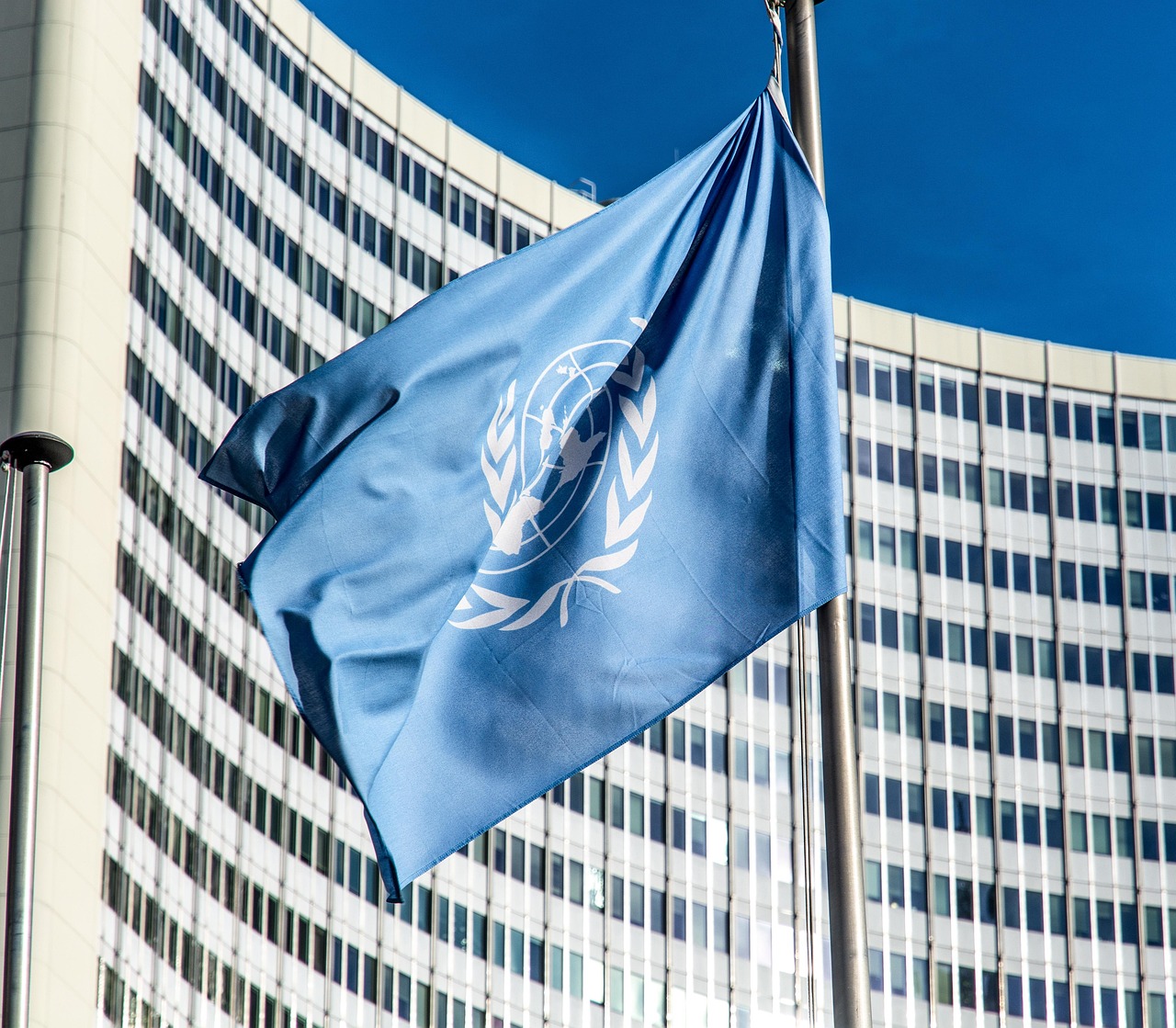
Trade ministers from around the world convened Thursday in Yaoundé, Cameroon, for a critical four-day summit focused on reforming the World Trade Organization. The high-stakes gathering comes at a turbulent moment for global commerce, with diplomats cautioning that failure to reach an agreement could drive nations to establish trade rules independently, outside the WTO framework.
The meeting unfolds against a backdrop of deepening uncertainty. The ongoing U.S.–Israeli conflict with Iran has triggered energy price spikes with far-reaching consequences, including food security threats across Africa stemming from fertilizer supply disruptions. John Denton, secretary-general of the International Chamber of Commerce, described the situation as potentially "the worst industrial crisis in living memory."
Ministers arrive without a unified reform roadmap after years of deadlocked multilateral negotiations and a six-year breakdown of the WTO's dispute resolution mechanism. Divisions remain sharp: the United States supports reform in principle but opposes a structured work plan, while the European Union, United Kingdom, and China are pushing for a concrete framework. WTO Director-General Ngozi Okonjo-Iweala has acknowledged that the discussions will be challenging.
Diplomatic voices have grown increasingly urgent ahead of the summit. Swiss Ambassador Erwin Bollinger warned that a failure to produce tangible results would erode the WTO's credibility, while UK trade minister Chris Bryant raised concerns about a potential "disorderly collapse" of the organization and the emergence of competing trade rulebooks.
One of the sharpest flashpoints is the digital trade moratorium, which exempts electronic transmissions from customs duties. The U.S. is pushing for a permanent extension, while India is expected to block it, and other nations are seeking a two-year compromise.
Taiwan's absence also drew attention after host nation Cameroon excluded it by classifying the island as a Chinese province — a move that adds political friction to an already complex summit.







