


 Australia Trade Surplus Shrinks Sharply as Imports Surge
  Fed Rate Hike Threatens Housing as U.S. Growth Leans on AI, Citi Says
  Japan Factory Output Unexpectedly Falls 1.7% in August
  Fed Unveils Stablecoin Rules Under GENIUS Act
  Gold Plunges 4% as Treasury Yields Surge and Fed Rate Hike Bets Rise
  US Alcohol Ban Exposes Canada’s Internal Trade Barriers
  BOJ Raises Interest Rate to 31-Year High as Yen Weakens
  RBA Hikes Interest Rate to 4.60% as Inflation Risks Rise
  Japanese Yen Retreats as Dollar Rises Ahead of Fed, BOJ Rate Decisions
  RBA Set for September Rate Hike as Inflation Stays High
  Yen in Focus as BOJ, Fed Rate Hikes Reshape Currency Markets
  Gold Rebounds as Oil Falls and Treasury Rout Eases


 Add as a preferred source on Google
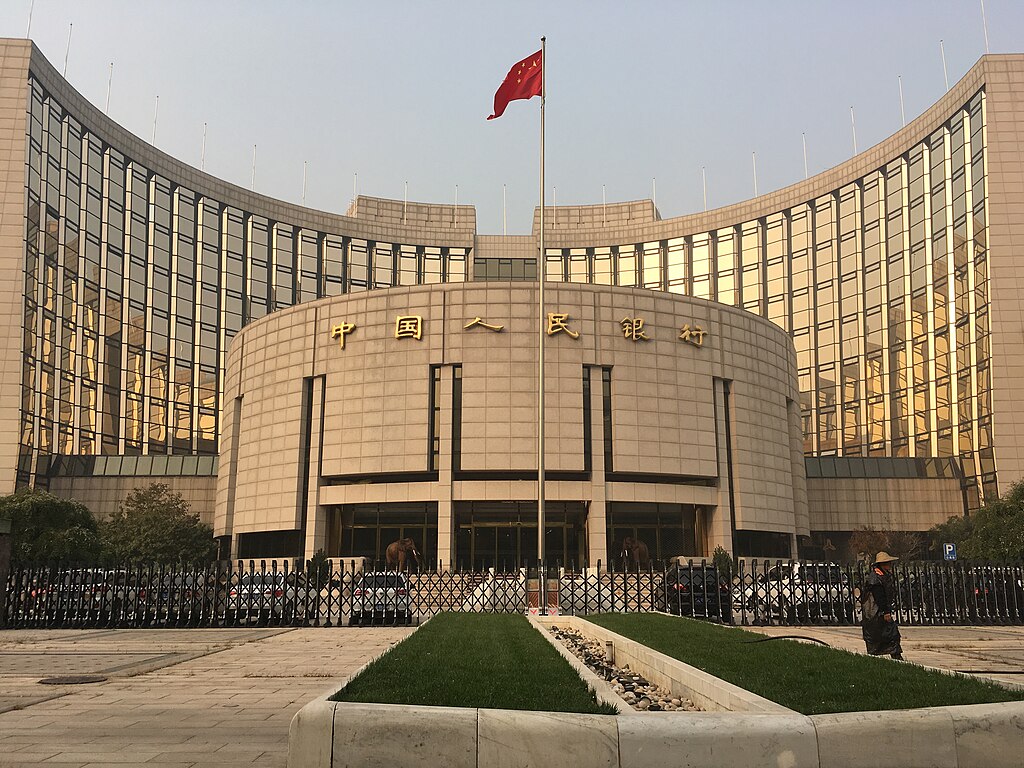
China’s central bank has announced its first reserve requirement ratio (RRR) cut of 2025 to bolster the economy amid intensifying trade tensions with the United States. People's Bank of China (PBOC) Governor Pan Gongsheng said Wednesday the RRR will be lowered by 50 basis points, a move expected to inject approximately 1 trillion yuan ($138 billion) in liquidity into the financial system.
The decision comes as China faces mounting economic pressure following U.S. President Donald Trump’s latest round of aggressive tariffs on Chinese goods, some reportedly reaching triple digits. In response, Beijing is stepping up monetary support to stabilize growth and ease credit conditions for businesses.
The PBOC's action aligns with earlier commitments made at a key government meeting in late April, where Chinese officials pledged to adjust the RRR “in a timely manner” to counter external challenges and stimulate domestic demand. Analysts view the cut as a signal that Beijing is prioritizing economic resilience in the face of geopolitical uncertainty.
The liquidity boost is aimed at enhancing banks’ lending capacity, supporting small and medium-sized enterprises, and maintaining overall financial stability. While China's economy has shown signs of slowing, policymakers have been cautious about aggressive stimulus, opting instead for targeted tools like RRR adjustments to fine-tune monetary conditions.
This move also reflects broader efforts by Chinese authorities to manage the fallout from the ongoing U.S.-China trade war, which continues to disrupt global supply chains and weigh on investor sentiment. As the conflict deepens, market watchers expect further policy easing measures in the months ahead.
The PBOC’s latest intervention underscores China’s commitment to sustaining growth amid external shocks, with liquidity support emerging as a key lever in its economic strategy.







