


 Oil Prices Jump Nearly 3% as Iran Holds Firm on Hormuz Conditions
  Fed Unveils Stablecoin Rules Under GENIUS Act
  Fed’s Williams Signals One More Rate Hike Before Year-End
  ECB May Stop Rate Hikes After December, Capital Economics Says
  BOJ Set to Raise Rates to 1.25% as Inflation Risks Build
  RBA Hikes Interest Rate to 4.60% as Inflation Risks Rise
  BlackRock’s Rick Rieder Favors Bonds Over Stocks as Treasury Yields Surge
  Japan Warns Markets Over Yen Weakness
  XRP Price Targets $1.70 as Bullish Momentum Builds
  US Dollar Hits Two-Month High as Aussie, Pound Slide
  Yen in Focus as BOJ, Fed Rate Hikes Reshape Currency Markets
  RBI Uses $10 Billion Currency Swaps to Drain Excess Rupee Liquidity


 Add as a preferred source on Google
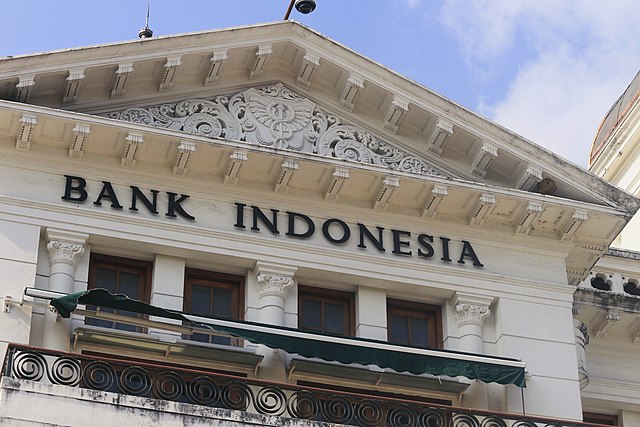
Bank Indonesia (BI) is expected to reduce its benchmark interest rate for the fourth consecutive time on Wednesday, bringing it down to 4.50%, as policymakers shift focus toward supporting economic growth despite persistent rupiah weakness. According to a Reuters poll of 28 economists, 21 anticipate a 25-basis-point cut, while the remaining seven forecast no change from 4.75%.
The move follows BI’s surprise rate cut last month, when Governor Perry Warjiyo vowed to go “all out” in bolstering growth while safeguarding market stability. Although the rupiah has regained some strength due to central bank intervention, it remains about 3% weaker year-to-date. With inflation stable at 2.65%, within the 1.5%-3.5% target range, economists believe BI has room for further monetary easing.
Economic data points to slowing domestic demand, even as second-quarter growth surpassed expectations. Declines in vehicle sales, weaker consumer confidence, and sluggish export growth have heightened concerns over the country’s economic momentum. Capital Economics’ Jason Tuvey noted that BI officials appear increasingly focused on growth, expecting another 25-basis-point reduction.
Analysts predict the key rate could fall to 4.25% by year-end and remain unchanged through 2026. Oxford Economics’ Adam Ahmad Samdin said BI may tolerate mild rupiah weakness in favor of easing, suggesting there is still room for rates to move lower.
However, economists also warned about potential threats to BI’s independence, citing recent burden-sharing agreements and proposed legislation expanding parliamentary oversight. Tuvey cautioned that excessive easing could risk overheating the economy, leading to higher inflation and weaker long-term growth.
Indonesia’s economy is forecast to grow around 5% annually through 2027, below President Prabowo Subianto’s 8% target, while inflation is expected to average 1.8% this year and rise modestly to 2.5% by 2026–2027.







