


 Japan Considers Extra Budget Aid Amid Rising Fuel and Utility Costs
  U.S. Urges China to Help Curb Iran’s Actions in Gulf, Rubio Says
  Gold Prices Steady Ahead of Trump-Xi Meeting as Inflation and Oil Concerns Persist
  Asian Currencies Steady as Trump-Xi Summit, Inflation Concerns Boost Dollar
  Trump and Xi Temple of Heaven Visit Highlights Trade and Diplomacy Goals
  Gold Prices Hold Steady as Investors Monitor U.S.-Iran Tensions and Trump-Xi Summit
  Havana Protests Erupt as Cuba Faces Severe Blackouts and Fuel Crisis
  Dollar Surges as Inflation Data Fuels Fed Rate Hike Expectations
  Trump Faces Uphill Battle Seeking China’s Help on Iran Conflict
  Trump Says Iran Ceasefire ‘On Life Support’ as Oil Prices Surge Above $104
  Asian Stocks Edge Higher as Tech Shares Rise Ahead of Trump-Xi Beijing Summit
  S&P Global Revises Mexico Credit Outlook to Negative Amid Rising Debt Concerns
  Oil Prices Hold Above $100 as Trump-Xi Meeting and Iran Conflict Keep Markets on Edge
  Dollar Gains as Fed Rate Hike Bets Rise Ahead of Trump-Xi Summit
  BOJ Rate Hike Expectations Grow as Board Member Signals Hawkish Stance
  Asian Currencies Hold Steady as Strong U.S. Inflation Data Boosts Dollar


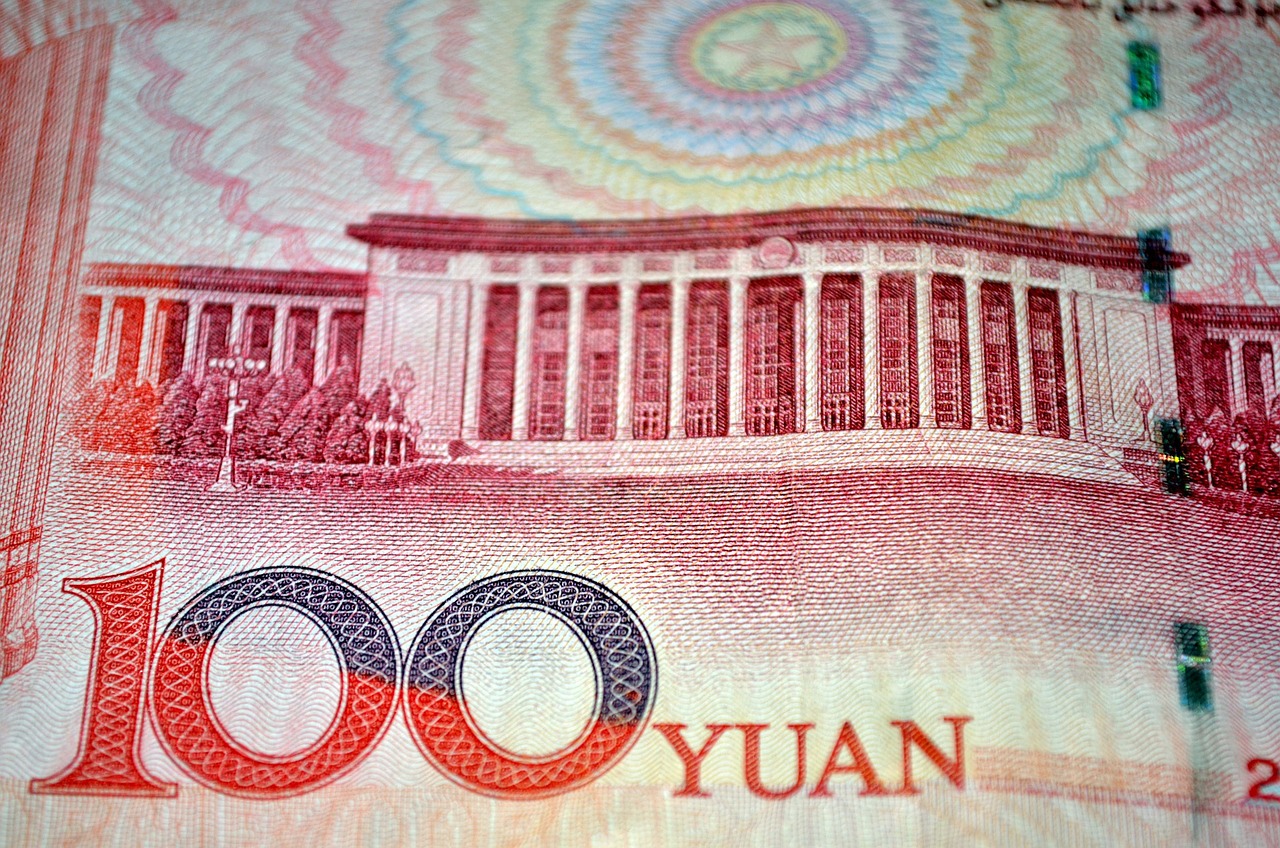
Asian currencies weakened sharply on Monday as escalating tensions involving Iran boosted oil prices, pushed global bond yields higher, and strengthened the U.S. dollar. Investors grew increasingly concerned that rising energy costs could reignite inflation and force central banks to maintain elevated interest rates for longer.
The Chinese yuan remained under pressure after disappointing economic data highlighted ongoing weakness in China’s recovery. The USD/CNY pair climbed 0.1%, hovering near its weakest level in more than two years. China’s April industrial production missed market expectations, while retail sales growth slowed to its weakest pace in over three years. Fixed asset investment also unexpectedly contracted, signaling weaker business and government spending activity.
Analysts said sluggish domestic demand continues to weigh heavily on the Chinese economy, while geopolitical risks linked to the Iran conflict could create additional challenges for trade and manufacturing across Asia. Although China and the United States recently agreed to reduce certain tariffs and trade barriers following high-level talks, investors remained cautious due to the lack of detailed policy guidance.
Broader Asian foreign exchange markets also struggled as higher oil prices and rising Treasury yields boosted demand for the U.S. dollar. The dollar index edged higher during Asian trading, reflecting expectations that global interest rates may stay elevated.
The Japanese yen weakened slightly, with USD/JPY rising 0.1% even as Japan’s 10-year government bond yields hit a 29-year high. Markets are increasingly betting that the Bank of Japan could raise interest rates in June, though the move may offer limited support to the yen.
Elsewhere, the Australian dollar fell 0.3%, while the South Korean won recorded one of the region’s biggest losses. The Indian rupee stayed near record lows as surging crude oil prices continued to pressure the import-dependent economy.







