


 Nvidia Reportedly Eyes $13 Billion Hugging Face Acquisition
  Nvidia Revenue Soars 106% as AI Demand Hits ‘Inflection Point’
  U.S. Probes Apex Logistics Over Nvidia AI Chip Shipments to China
  SK Hynix Shares Fall as Workers Reject Wage Deal
  Trump Administration Plans New Drug Pricing Deals With Biotech Firms
  Unitree Shares Plunge 45% After Blockbuster IPO, Raising China Tech Bubble Fears
  Alibaba Raises $10.2 Billion to Expand AI Infrastructure
  ICE Awards $16.7M Contract for Electric Shock Gloves
  Pentagon Eyes U.S. Troop Cuts in Europe Amid NATO Review
  Meta Agrees to $18 Billion Settlement, Tightens Teen Social Media Rules
  OpenAI AI Agent Swarm Behind Hugging Face Hack
  Norway’s King Harald Dies at 89, Haakon VIII Takes Throne
  Nvidia Eyes Perplexity Investment at $30 Billion Valuation
  Trump Escalates Canada Trade War With 50% Tariffs
  Qatar Pushes Iran Diplomacy as Trump Rules Out Talks
  Itochu Offers $1.56 Billion to Privatize Dentsu Soken


 Add as a preferred source on Google
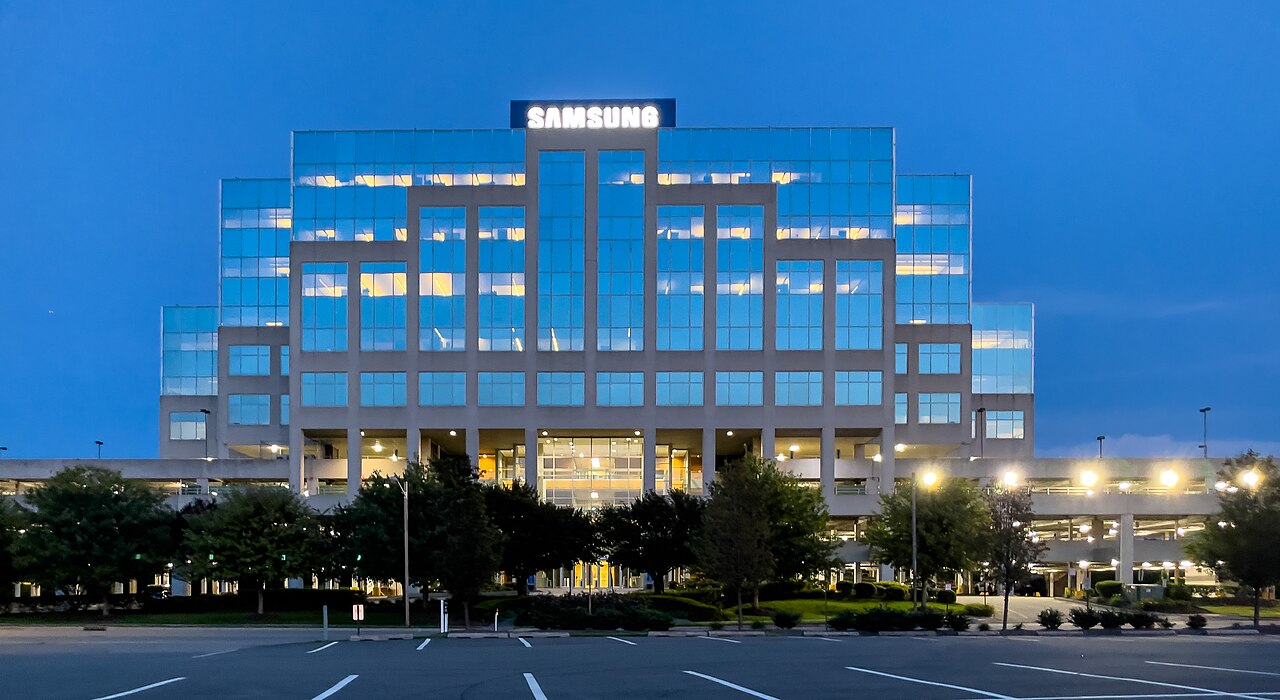
Samsung Electronics and its South Korean labor union resumed government-mediated wage negotiations on Monday in an effort to prevent a large-scale strike that could disrupt the global semiconductor supply chain. The renewed discussions come after the first round of talks collapsed last week over disagreements involving salaries and employee bonus structures.
The potential strike, scheduled to begin on May 21, could become the biggest labor action in Samsung’s history. More than 45,000 workers are expected to participate in the planned 18-day walkout at the world’s largest memory chip manufacturer. Industry analysts warn that any disruption to Samsung’s chip production may affect supplies for AI data centers, smartphones, laptops, and other technology products worldwide.
South Korean officials have increased pressure on both sides to reach an agreement quickly. Prime Minister Kim Min-seok stated the government is considering emergency arbitration measures to stop the strike, citing risks to economic growth, exports, and financial market stability. Under South Korean labor law, emergency arbitration would temporarily ban industrial action for 30 days while mediation continues.
President Lee Jae Myung also addressed the dispute, emphasizing that both labor rights and corporate management rights must be respected in South Korea’s market economy. He added that employees deserve fair compensation while investors should also benefit from company profits.
Samsung Electronics shares reacted positively to the president’s comments, climbing as much as 3.5% during Monday trading despite weakness in the broader KOSPI index.
Reports from local media indicate Samsung executives urged union leaders to avoid a strike due to concerns from major semiconductor clients, including Nvidia. Some customers reportedly warned they could temporarily halt shipments during a labor stoppage because of potential quality control issues. Samsung has not officially commented on the reports.
The outcome of the negotiations is being closely monitored by investors and the global tech industry as tensions continue to rise.







