


 Asian Currencies Stay Range-Bound as Investors Eye China Data, RBNZ Outlook and U.S.-Iran Ceasefire
  Oil Prices Rise as US-Iran Tensions Threaten Strait of Hormuz Oil Shipments
  China Factory PMI Seen Returning to Growth in June as AI Export Demand Supports Economy
  Canada Grants C$7 Million to Greenland Molybdenum Mine to Strengthen Critical Minerals Supply
  Gold Price Hits Annual Low as Fed Rate Hike Bets and Sticky Inflation Weigh on Bullion
  Trump Suspends Some Morocco Fertilizer Tariffs to Ease U.S. Supply Shortage
  Yen Falls to 40-Year Low as Markets Watch Japan Intervention and U.S. Jobs Report
  China Sets 1.25% Overnight Reverse Repo Rate Below Market Expectations
  Trump Urges Gasoline Retailers to Cut Prices to $2.50 Per Gallon, Warns of Legal Action
  US Stock Futures Steady as Investors Await Payrolls Data and Monitor Iran Tensions
  Economic pessimism has set in – but there are reasons for Australians to be hopeful
  Trump Threatens 100% Tariffs on Countries Imposing Digital Services Taxes on U.S. Tech Firms
  US Dollar Slips After PCE Inflation Data as Fed Rate Hike Expectations Stay Elevated
  World Bank Approves $1.1 Billion Emergency Funding for Bangladesh Amid Food and Energy Price Pressures
  Dollar Slips Ahead of Key U.S. Jobs Data as Fed Rate Outlook, ECB, and Iran Talks Shape Forex Markets
  Central Banks Eye Gold, Reduce Dollar Exposure as AI Adoption Accelerates: OMFIF Survey
  Gold Price Falls as Fed Rate Hike Fears and U.S.-Iran Tensions Weigh on Bullion


Asian currencies traded mostly flat on Wednesday after posting strong gains in the previous session, as higher-than-expected U.S. inflation data strengthened the U.S. dollar and pushed Treasury yields higher. Investors also reduced expectations for Federal Reserve interest rate cuts, increasing pressure on regional currencies.
The U.S. Dollar Index remained near a one-week high during Asian trading hours after climbing 0.4% on Tuesday. Market sentiment shifted after fresh data showed U.S. consumer prices rose 3.8% year-over-year in April, marking the fastest pace of inflation since May 2023. The reading came in above analyst forecasts, reinforcing concerns that the Federal Reserve could maintain elevated interest rates for a longer period.
Following the inflation report, traders largely ruled out the possibility of a Fed rate cut in 2026, while expectations for another rate hike increased slightly. Rising Treasury yields also supported the dollar’s strength against major Asian currencies.
The Japanese yen weakened slightly, with the USD/JPY pair rising 0.1% after gaining 0.3% in the previous session. The South Korean won also stabilized after a sharp rally, while the Indian rupee hovered near record lows against the dollar after USD/INR touched 95.7375 in the prior session.
Meanwhile, the Singapore dollar and Australian dollar traded in narrow ranges as investors remained cautious ahead of key geopolitical developments.
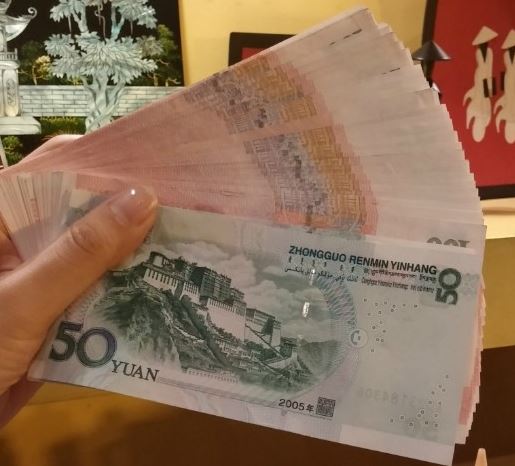
The Chinese yuan stayed near a three-year low against the dollar, although it continued to outperform several regional peers. Investors are closely monitoring talks between former U.S. President Donald Trump and Chinese President Xi Jinping in Beijing from May 13 to May 15. Discussions are expected to focus on trade relations, tariffs, artificial intelligence, rare earth exports, and the ongoing Iran conflict.
Global market sentiment also remained fragile due to escalating Middle East tensions. Concerns over disruptions in oil shipments through the Strait of Hormuz kept crude oil prices above $100 per barrel, adding to inflation worries worldwide and further supporting the U.S. dollar.







