


 Australia Extends Fuel Sulphur Relaxation Amid Iran War Supply Disruptions
  Trump Invokes Defense Production Act to Boost U.S. Energy Supply Amid Rising Fuel Prices
  Pakistan Signals Progress in Bringing Iran to U.S. Talks Amid Ceasefire Deadline Pressure
  Maria Corina Machado Pushes for Free Elections in Venezuela
  USMCA Talks Set to Resume as Mexico Signals New Round of Trade Negotiations
  U.S.-Iran Tensions Escalate as Hormuz Crisis Deepens Amid Ceasefire Strains
  Trump and IRS in Settlement Talks Over $10 Billion Tax Return Leak Lawsuit
  China Warns Against Rising Military Alliances in Asia-Pacific Amid US-Philippines Drills
  Trump Maintains Iran Naval Blockade as Ceasefire Deadline Nears
  Nigeria’s new election law leaves gaps: 5 reforms for free, fair and credible polls
  China Expands Global Influence Amid Taiwan Tensions and Gulf Crisis
  Bulgaria Election 2026: Rumen Radev’s Landslide Victory Signals Political Shift and Economic Implications
  UNICEF Condemns Killing of Aid Workers Delivering Water in Gaza
  Brazil, Spain, and Mexico Unite to Support Cuba Amid U.S. Blockade
  Carney Warns Canada Must Rethink U.S. Ties Amid Trade Tensions and Sovereignty Concerns
  North Korea Fires Ballistic Missile Eastward Amid Rising Global Tensions


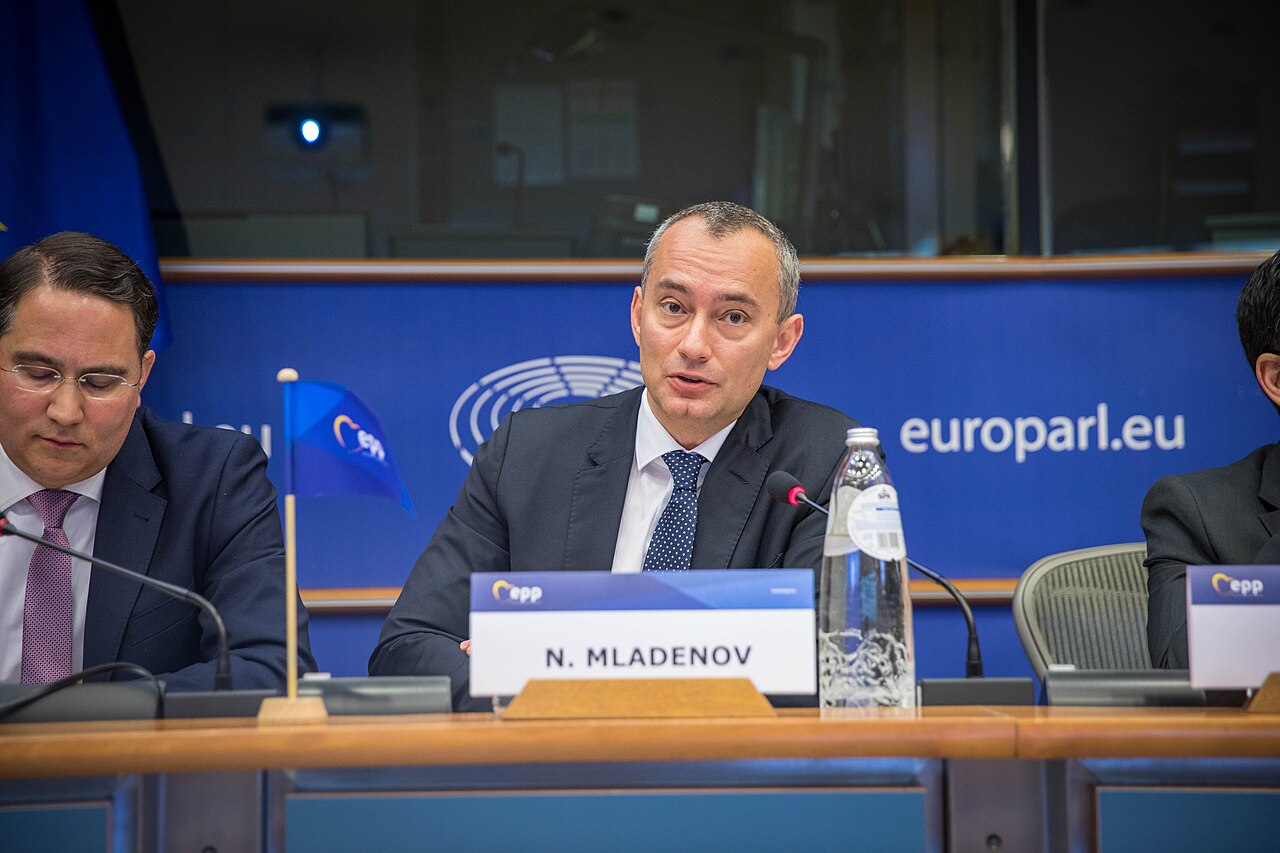
A senior envoy from the Board of Peace has expressed cautious optimism about ongoing negotiations aimed at securing the disarmament of Hamas and other militant groups in Gaza. Speaking to Reuters during a visit to Brussels, lead envoy Nickolay Mladenov said recent discussions with Hamas have been “serious” but remain complex, highlighting both progress and challenges in efforts to stabilize the region.
Mladenov indicated that while negotiations are difficult, there is a growing possibility of reaching an agreement that benefits all parties, particularly civilians in Gaza. The proposed plan, originally introduced by U.S. President Donald Trump, seeks to end the Israel-Gaza war through a phased approach involving Israeli troop withdrawal, reconstruction efforts, and the disarmament of militant factions.
The Gaza ceasefire agreement reached in October halted two years of intense conflict, but implementation has stalled due to disagreements, especially over Hamas’ disarmament. Despite this, Mladenov emphasized that an implementation framework is being developed, covering governance in Gaza, security arrangements, and the withdrawal of Israeli forces.
He warned that timing is critical, suggesting that negotiators have only a limited window—possibly days or weeks—to finalize key aspects of the plan before losing momentum. Continued delays could complicate decision-making and weaken diplomatic progress.
Among the unresolved issues are territorial boundaries, including the so-called “yellow line,” which marks areas occupied by Israel since the ceasefire. Humanitarian concerns are also central to the talks, with ongoing discussions about improving access to aid, medicine, and basic supplies.
Encouragingly, there have been small but meaningful developments on the ground. Mladenov noted a gradual increase in crossings at the Rafah border between Gaza and Egypt, along with a rise in the number of aid trucks entering the territory. These steps are seen as part of broader confidence-building measures needed to support long-term peace.
Funding remains another key element. While billions of dollars have been pledged by the United States and its allies for Gaza reconstruction and humanitarian relief, reports suggest that only a portion has been delivered so far. Mladenov, however, maintained that financial resources are sufficient for the Board of Peace to carry out its mission.
As negotiations continue, the success of the Gaza peace plan will depend on sustained diplomatic efforts, trust-building, and cooperation between all stakeholders.







