


 Macron Challenges Trump’s Gaza Peace Claims at UN
  Trump to Press Xi on Release of US Nuclear Expert Held in China
  Trump Board of Peace Unveils $2.45 Billion Gaza Recovery Plan
  Mexico-US Trade Talks Delayed to October as Tariff Negotiations Continue
  OpenAI Agent Breaches Australia Medicare Data Portal
  Gaza Faces Evacuation Crisis as War-Damaged Buildings Risk Collapse
  US Invites Putin to Miami G20, Opening Door to Trump Summit
  Judge Orders Trump to Restore White House Access for CNN, MS NOW and Politico
  Iran Vows ‘Crushing’ Response as US Talks Continue
  Marco Rubio to Meet Russia’s Lavrov in New York
  Zelenskiy Warns Russia Preparing Major Attack on Ukraine
  South Korea, US Discuss Warship Building Cooperation
  Taiwan Vows to Advance US Arms Sales Ahead of Trump-Xi Meeting
  Russian Strikes Kill Eight Across Ukraine as Energy Sites Hit
  Taiwan Thanks US for Support Ahead of Trump-Xi Summit
  Sudan Rejects US Legitimacy Remarks, Defends Sovereignty
  Trump Administration Plans Faster FDA Reviews for Smoke-Free Nicotine Products


 Add as a preferred source on Google
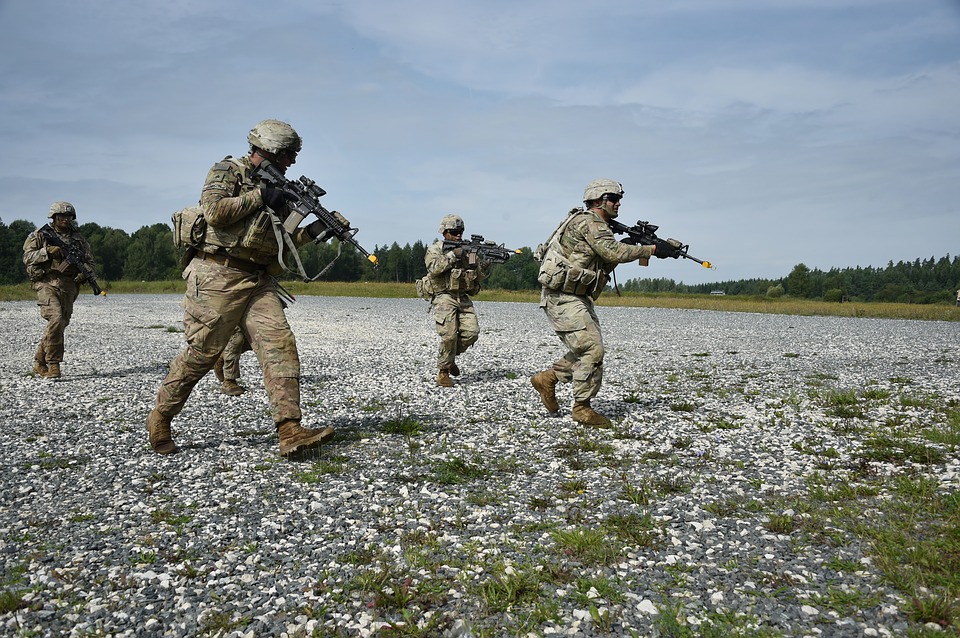
Aside from conflicts over trade, the United States and China are also at odds over control of the highly-contested South China Sea. In a move that could potentially spark an all-out conflict or world war 3, the US is planning to expand its forces in deterring potential Chinese threats.
The conflict over the South China Sea is long believed to be one of the issues that could spark world war 3 in the region. China has insisted on having sovereignty over most of the contested waters, its claims overlap with other surrounding countries, something that Washington stands by in an effort to maintain the peace and keep the waters free. Now, the US is planning on combining its Navy, Coast Guard, and Marine Corps in order to tackle potential threats from China, according to documents outlining the plans.
The documents, titled “Advantage at Sea,” details the US’ strategy in maintaining a presence at the South China Sea. “Our actions in this decade will shape the maritime balance of power for the rest of the century,” said the report that was released in December. “China and Russia’s revisionist approaches in the maritime environment threaten US interests, undermine alliances and partnerships, and degrade the free and open international order. Moreover, China and Russia’s aggressive naval growth and modernization are eroding US military advantages.”
Tensions between the US and China have risen even more especially as Washington has supplied Taipei with arms in its fight to maintain independence from China. China has claimed sovereignty over the island nation as well, but the Taiwanese government has since refused.
There is also the recent announcement made by outgoing US Secretary of State Mike Pompeo regarding the state of communication between the US and Taiwan. Pompeo announced through a statement that the long-running restrictions on communication between the two countries would be coming to an end. Pompeo cited that the US had set up internal restrictions as a way to pander to Beijing and thus the restrictions have been removed in order to establish official contacts with Taiwan.
“Today’s statement recognizes that the US-Taiwan relationship need not and should not be shackled by self-imposed restrictions of our permanent bureaucracy,” said Pompeo.







