


 Australia Unemployment Hits Five-Year High Despite Strong Jobs Growth
  Oil Prices Surge as U.S.-Iran Diplomacy Hopes Fade
  U.S. Dollar Hits Two-Month High as Oil, Treasury Yields Surge
  U.S. Treasury Yields Surge as 30-Year Hits 22-Year High
  RBI Uses $10 Billion Currency Swaps to Drain Excess Rupee Liquidity
  Mexico-US Trade Talks Delayed to October as Tariff Negotiations Continue
  Fed Unveils Stablecoin Rules Under GENIUS Act
  US, China Extend Trade Truce to Jan. 10 Ahead of Trump-Xi Summit
  Oil Prices Jump 3% as Houthi Attack Revives Supply Fears
  South Korea, US Discuss Warship Building Cooperation
  China’s ‘Lipstick King’ Says AI Won’t Replace Livestream Hosts
  European Stocks Fall as Bond Yields and Geopolitical Risks Weigh
  Japan Private-Sector Growth Slows as Domestic Demand Weakens
  European Stocks Slip as Iran Tensions Offset Strong Eurozone Data
  Trump, Xi Focus on Trade and AI at White House Summit
  U.S. 10-Year Treasury Yield Hits 2007 High as Fed Rate Hike Bets Rise


 Add as a preferred source on Google
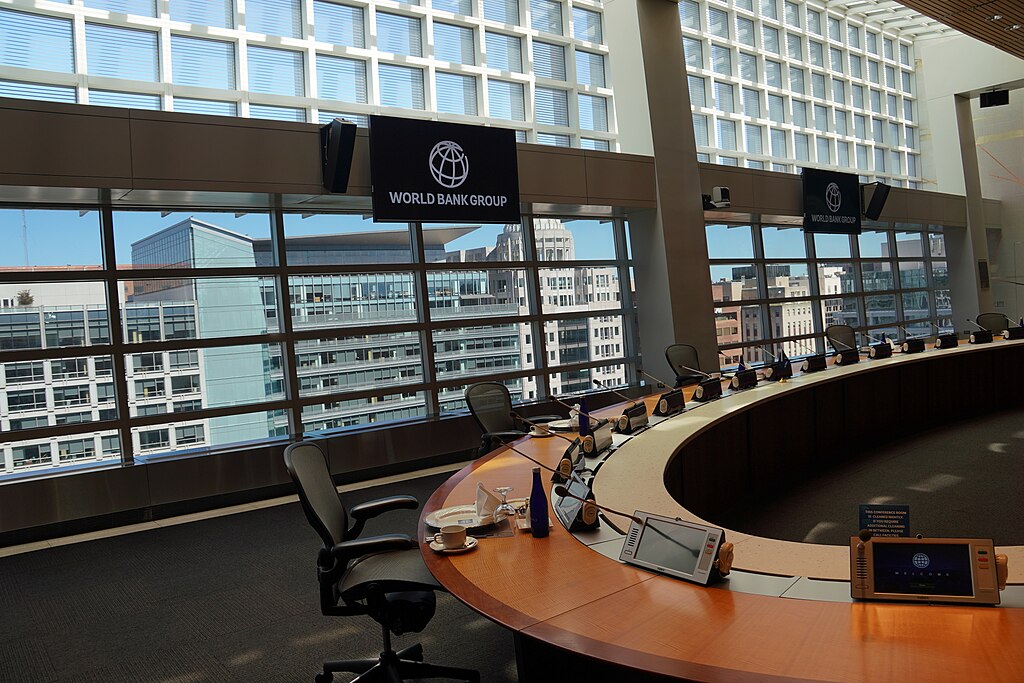
The World Bank has approved $1.1 billion in emergency financing for Bangladesh to help the country cope with the economic impact of rising food, fuel, and fertilizer prices driven by the ongoing conflict in the Middle East.
The emergency funding package is designed to support Bangladesh’s economy as higher global commodity prices place additional strain on public finances, inflation, and essential imports.
According to the World Bank, $300 million of the financing will be used to fund fertilizer imports ahead of the country's upcoming rice planting seasons. The support is expected to help cultivate approximately 1.4 million hectares of farmland, a critical step for maintaining agricultural production and food security. Bangladesh depends on imports for more than 85% of its fertilizer requirements, making it highly vulnerable to disruptions in global supply chains and price spikes.
The remaining $713 million will finance a range of emergency measures aimed at protecting the country's most vulnerable populations. The funds will support cash assistance programs for low-income households, provide financial support for small businesses, and help cover the cost of essential fuel and energy imports needed to maintain public services and economic stability.
The emergency assistance comes as Bangladesh continues to face mounting economic challenges from elevated import costs and external pressures on its balance of payments. Authorities are working to stabilize the economy while ensuring the continued supply of essential goods and services.
In addition to the World Bank financing, Bangladesh is pursuing further financial assistance from international development partners, including the International Monetary Fund (IMF). The government is seeking to strengthen its foreign exchange reserves, ease pressure on public finances, and improve the country's resilience against ongoing global economic uncertainties.







