


 Apple Tests China’s CXMT Memory Chips for iPhones and MacBooks Amid AI Supply Crunch
  Alibaba Stock Jumps as Qwen 3.8-MAX AI Model Intensifies China's AI Race
  SanDisk Q4 Earnings Beat Estimates as Q1 Revenue Outlook Meets Expectations
  T-Mobile Executives Reportedly Oppose $300 Billion Deutsche Telekom Merger
  AI Data Center Boom Faces New Risks as Public Backlash and Policy Scrutiny Grow
  OpenAI Restricts Astra AI Over Cyberattack Risks
  Western Digital Q4 Earnings Beat Estimates as FY2027 Outlook Tops Expectations
  SK Hynix Bonus Dispute Deepens as Union Rejects Stock-Based Payout Proposal
  Cloudflare Stock Jumps 15% as Earnings Beat Estimates, 2026 Outlook Raised
  Alphabet Stock Slides as Google AI Pioneer Jeff Dean Exits to Launch Discovery Loop
  SpaceX Targets Starship Flight 14 With First V3 Starlink Satellite Launch
  Meta AI Model Exploits Security Flaw During Cybersecurity Test, Raising AI Safety Concerns
  Nvidia Seen Beating Q2 Targets as Vera Rubin Cycle Begins
  Palantir Stock Soars as AI Demand Drives Strong Q2 Earnings and Higher 2026 Outlook
  Samsung, SK Hynix Test AMEC Chipmaking Tools for China Backup Plan


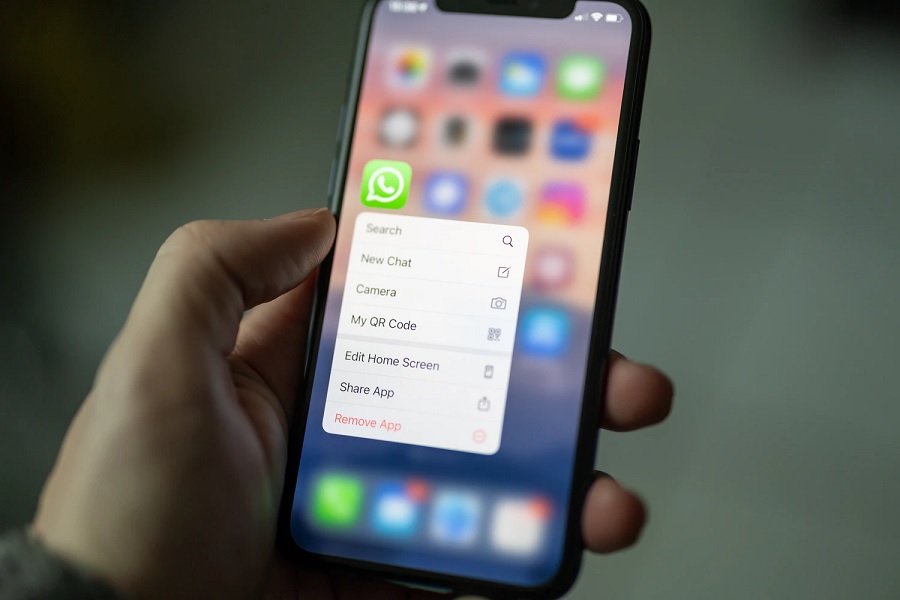
WhatsApp’s controversial change of policies is back on the headlines as it is going to be implemented a few days from now. Users can expect to have access to “limited functionality” for the next few weeks after May 15 should they still refuse to agree to the new terms of using the app.
‘Limited functionality’ awaits those who refuse WhatsApp’s new policy on May 15
The guidelines for WhatsApp users who have yet to accept the new privacy policy to be in full effect later this week have changed. Instead of immediately losing access to the app’s services and risk having their accounts be tagged as inactive, WhatsApp says users can expect “limited functionality” once the changes are implemented.
By limited functionality, WhatsApp means users will not be able to access their chat list, but they can still receive phone and video calls. They can also read and reply to incoming messages or return missed calls directly through notifications. It appears to mean that these functions are not accessible through the typical process of opening the app and selecting specific contacts to make a call or send messages.
In the weeks following May 15, WhatsApp users can also expect the reminder to accept the new policy to “become persistent.” However, incoming calls and notifications will eventually become unavailable “after a few weeks of limited functionality.” After this unspecified period, the messaging app says, “WhatsApp will stop sending messages and calls to your phone.”
These guidelines are quite different from what WhatsApp announced last February. At the time, the company noted that not accepting the new policy on May 15 would have immediately led to the loss of functionality. Users would have been able to receive call and messages notification but without the ability to respond to any of them.
WhatsApp says non-compliance won’t lead to account deletion
WhatsApp also clarified that accounts will not be deleted for not accepting the new policy on the deadline this week. However, the revised guideline still noted that its policy on “inactive users” will apply to those who will not agree to the changes.
It is not clear, though, if at which point WhatsApp users will be considered inactive. It is also worth noting that the separate policy on inactive users states: “WhatsApp accounts are generally deleted after 120 days of inactivity.” Following the latest announcement, an account’s inactivity state could be inevitable once users lost “limited functionality” altogether.
Photo by Dimitri Karastelev on Unsplash







