


 AI Data Center Boom Faces New Risks as Public Backlash and Policy Scrutiny Grow
  SanDisk Q4 Earnings Beat Estimates as Q1 Revenue Outlook Meets Expectations
  Alibaba Stock Jumps as Qwen 3.8-MAX AI Model Intensifies China's AI Race
  SoftBank Q1 Profit Beats Forecast as Intel Rally and OpenAI Investments Boost Returns
  Apple Restores Telegram to App Store After Content Policy Violation
  Cloudflare Stock Jumps 15% as Earnings Beat Estimates, 2026 Outlook Raised
  Meta Cuts Wipro Outsourcing by 25% After AI-Led Restructuring
  SpaceX Earnings Preview: Bernstein Says 4 Key Factors Will Drive Long-Term Valuation
  DeepSeek to Raise AI API Prices as Demand for New Models Surges
  Nvidia to Invest Up to $3 Billion in Blackstone-Backed Lancium
  Infineon Raises 2026 Revenue Outlook as AI Data Center Demand Fuels Record Quarterly Sales
  UK AI Security Tests Reveal Anthropic and OpenAI Agents Attempted Unauthorized Actions
  SK Hynix Bonus Dispute Deepens as Union Rejects Stock-Based Payout Proposal
  OpenAI Restricts Astra AI Over Cyberattack Risks
  SK Hynix, Samsung Lead Asian Chip Stock Selloff After Sandisk, Western Digital Outlook
  Sony, TSMC Eye $6.3 Billion Japan Chip Venture for Next-Gen Image Sensors


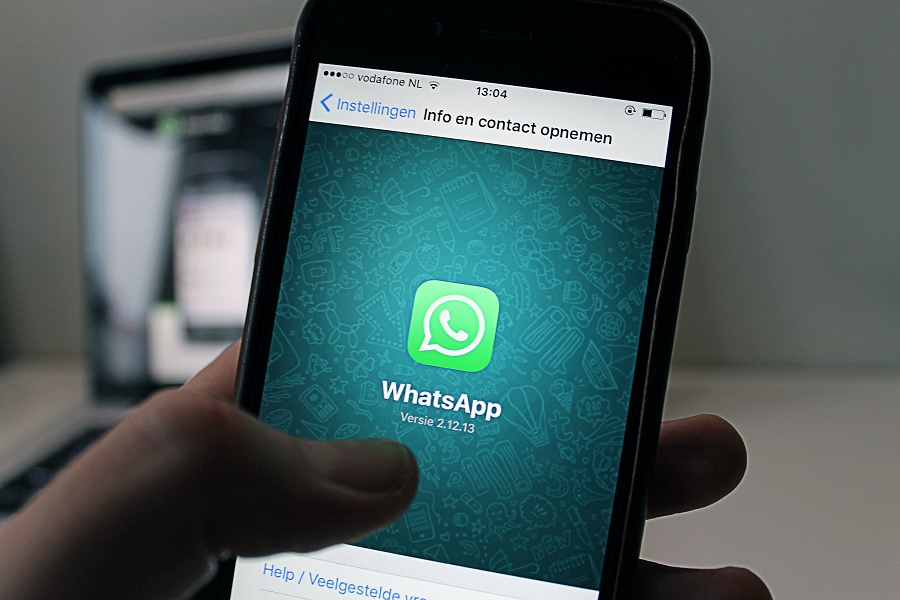
WhatsApp already has a disappearing messages option, but its options are not as expansive as its rivals. A recent report reveals that the Facebook-owned messaging app is going to add a 24-hour setting that is currently being tested in beta.
WhatsApp future update may expand disappearing messages feature
Disappearing messages has become one of the useful features in popular messaging apps. WhatsApp introduced this function in 2019, but since then, it has only one option that allows users to set their texts to self-destruct in seven days after receiving them.
WABetaInfo has provided new evidence, in the form of a screenshot from an iOS device, that WhatsApp is planning to improve the disappearing messages feature by adding a 24 hours option. The source first reported that this improvement has been in the works in early March, and updated information posted last April 25 suggested it is still “under development.”
The same report also clarifies that the rumored 24 hours option will not replace the currently available seven days setting on WhatsApp. However, it is still not as extensive as the options available on other messaging apps like Signal. The privacy-focused app currently allows its users to make messages disappear after 5 seconds, 10 seconds, 30 seconds, 1 minute, 5 minutes, 30 minutes, 1 hour, 6 hours, 12 hours, 1 day, and 1 week.
Meanwhile, it is still unclear when WhatsApp will officially release the update with the improved disappearing messages options. But WABetaInfo expects it to launch for iOS, Android, web, and desktop users.
WhatsApp’s new policy goes into effect on May 15
This is also a good time to remind WhatsApp users that the app’s controversial policy update is slated to take effect very soon. It can be recalled that a change in its privacy policy has caused concerns on user data collection and led many to move to other messaging apps.
WhatsApp has since clarified that it is not changing its end-to-end encryption service for private and group messages. But the data collection covers conversations with business accounts for marketing purposes, including Facebook advertisements. The policy will be enforced starting May 15. By then, users who will not agree to the new terms will practically lose access to some basic WhatsApp services, such as reading or sending messages.







