


 Xi Calls for Deeper U.S.-China AI Cooperation in Trump Talks
  Trump, Xi Focus on Trade and AI at White House Summit
  Mexico-US Trade Talks Delayed to October as Tariff Negotiations Continue
  NATO Boosts Intelligence Sharing Amid Russia Hybrid Threats
  France Defends Netanyahu Airspace Clearance Despite ICC Warrant
  Russian Missile and Drone Attack on Kyiv Kills Two, Damages Maternity Hospital
  US Backs Musk in Fight Against EU’s €120 Million X Fine
  Najib Razak Seeks Stay of 15-Year 1MDB Prison Sentence
  Kremlin Says No Decision Yet on Putin-Trump December Summit
  Sudan Rejects US Legitimacy Remarks, Defends Sovereignty
  Abbas Reaffirms November 28 Palestinian Elections
  Judge Orders Trump to Restore White House Access for CNN, MS NOW and Politico
  North Korea Warns South Korea Over US-Led Defense Role
  Trump, Xi Visit US National Archives After White House Summit
  Saudi Arabia, Turkey and Pakistan Plan Urgent Defence Talks Over Houthi Attacks
  What ‘Taiwan Independence’ Means as Xi Presses Trump on US Policy
  North Korea Rejects Nuclear Test Warning, Calls Nuclear Status Irreversible


 Add as a preferred source on Google
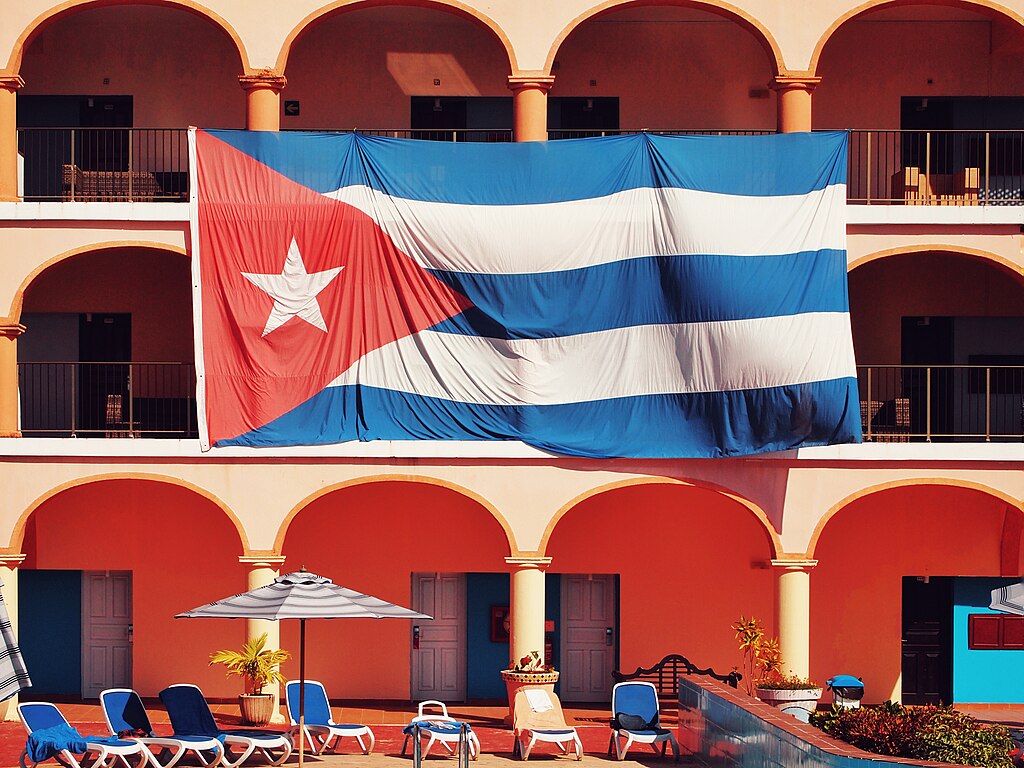
Cuban authorities announced that the island is intensifying its fight against narcotics trafficking in the Caribbean, emphasizing ongoing cooperation with the U.S. Coast Guard despite heightened political tensions and an expanded U.S. military presence in the region. Colonel Ybey Carballo, chief of Cuba’s Border Guard, explained that while formal collaboration between Cuba and the United States—established in a 2017 anti-drug agreement—stalled during U.S. President Donald Trump’s second administration, informal channels of communication have remained active.
According to Carballo, Cuba consistently shares intelligence with the U.S. Coast Guard, including vessel locations, trafficking routes, and details about suspicious boats operating near Cuban waters. He stressed that Cuba plays a crucial role in regional security, noting that many of the intercepted vessels are ultimately headed for the United States. “Cuba is not a black hole like some like to say,” Carballo stated, underscoring the island’s proactive role in combating drug smuggling.
Carballo also revealed that between 1990 and November 30, 2025, Cuba provided more than 1,500 actionable tips to U.S. authorities—evidence, he said, of Havana’s long-standing commitment to reducing drug trafficking in a region that sits on a major transit route between South American producers and U.S. consumers. The U.S. State Department previously reported in 2016 that Cuba is not a major producer, consumer, or transit hub for illicit narcotics.
Meanwhile, the Trump administration has recently escalated operations against suspected drug-trafficking vessels in the Caribbean and Pacific, carrying out targeted missile strikes and accusing Venezuelan President Nicolás Maduro—a close ally of Cuba—of benefiting from the illegal trade. Cuba has condemned these actions, claiming they are part of a broader strategy to destabilize Venezuela’s government.
Despite increased U.S. military activity, Carballo said Cuban officials have not observed a significant shift in drug smuggling patterns near the island.







