


 California Drivers Sue BP, Walmart, 7-Eleven Over Alleged AI Gas Price Fixing
  SK Hynix Overtakes Samsung as South Korea’s Most Valuable Company
  RFK Jr. Orders Extended Hantavirus Quarantine for Cruise Passenger
  Brazil Supreme Court Convicts Eduardo Bolsonaro Over U.S. Lobbying Efforts
  Nissan Halts Electric Qashqai Development Amid EV Market Challenges
  U.S. Launches Trade Investigation Into Germany’s Pharmaceutical Cost-Cutting Plans
  Apollo Debt Solutions Limits Redemptions as Withdrawal Requests Surge
  US House Approves $70 Billion Immigration Enforcement Funding Bill, Ending Congressional Deadlock
  ICC Prosecutor Karim Khan Suspended as Member States Consider Removal
  U.S. Supreme Court Allows Alabama’s Republican-Backed Congressional Map for 2026 Elections
  Anthropic AI Model Uncovers Vulnerabilities in Classified U.S. Government Systems During Security Test
  NHTSA Investigates Fatal Tesla Model 3 Crash in Texas Amid Ongoing Autopilot and FSD Safety Scrutiny
  Nike CFO Shake-Up Fuels Concerns Over Turnaround Strategy
  KPMG Australia Chairman and Senior Partners Exit Amid Escalating Whistleblower Scandal
  US-Iran De-Escalation Shifts Washington’s Focus to AI Regulation and Crypto Legislation
  Alphabet Stock Slides as AI Talent Exodus and SpaceX Losses Shake Investor Confidence


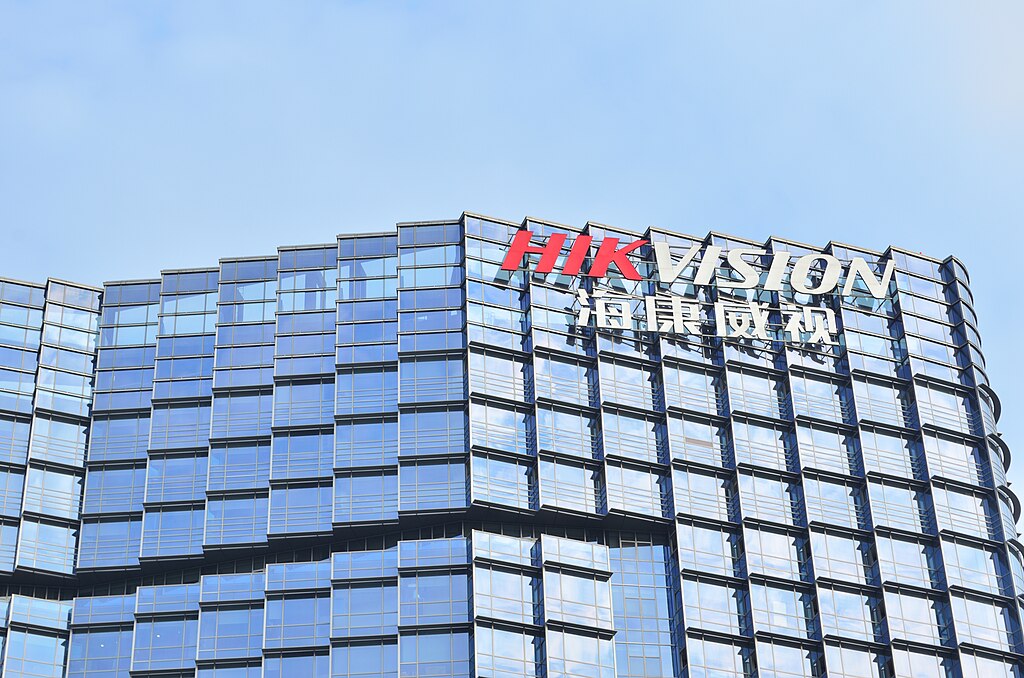
Chinese technology manufacturer Hikvision announced that its U.S. subsidiary has filed a legal challenge against a recent Federal Communications Commission (FCC) rule aimed at strengthening restrictions on telecom equipment linked to national security risks. The move comes after the FCC’s unanimous October vote to block new approvals for devices containing components from companies on its “Covered List,” which includes Hikvision, Huawei, ZTE, China Mobile, and China Telecom.
Hikvision said in its petition for judicial review that the FCC overstepped its authority by seeking to retroactively limit previously authorized equipment without adequate legal or evidentiary justification. The company argues that the decision undermines the stability of the regulatory environment and threatens the rights of its U.S. customers, partners, and existing market presence. The FCC has not yet issued a comment regarding the filing.
The updated FCC rule allows the agency not only to prohibit new equipment authorizations from listed Chinese firms but also to restrict certain devices that had already been approved. In October, FCC Chairman Brendan Carr revealed that major U.S. online retailers had removed millions of listings for unauthorized or prohibited Chinese electronics, including home security cameras and smartwatches from brands such as Huawei, Hikvision, ZTE, and Dahua Technology.
Hikvision, a leading global supplier of video surveillance systems, security cameras, and network transmission equipment, continues to face heightened scrutiny in the United States. Earlier in February, a U.S. appeals court denied Hikvision’s attempt to overturn a 2022 FCC ban on approvals for new surveillance and telecommunications products.
The FCC has escalated its national security efforts in recent years, including moves to revoke operating authorizations for Chinese telecom carriers in the U.S. and withdraw recognition of testing laboratories owned or controlled by the Chinese government. These measures reflect Washington’s broader push to limit potential security vulnerabilities associated with foreign-made telecom and surveillance technologies.







