


 North Korea Rejects Nuclear Test Warning, Calls Nuclear Status Irreversible
  Najib Razak Seeks Stay of 15-Year 1MDB Prison Sentence
  NATO Boosts Intelligence Sharing Amid Russia Hybrid Threats
  US Supreme Court Revives Trump Administration Voter Citizenship Database
  Saudi Arabia, Turkey and Pakistan Plan Urgent Defence Talks Over Houthi Attacks
  Yemen Violence Displaces 130,000 as Civilian Toll Rises
  Trump, Xi Focus on Trade and AI at White House Summit
  Trump Asks Supreme Court to Restore Third-Country Deportations
  Abbas Reaffirms November 28 Palestinian Elections
  EU Agrees €6.6 Billion Military Aid Funding for Ukraine
  Trump, Xi Visit US National Archives After White House Summit
  Pezeshkian Says US Must Choose When Iran War Ends
  Pope Leo Backs Press Freedom After White House Media Ban
  Pope Leo Warns UN, Multilateral Groups Face Crisis
  US Backs Musk in Fight Against EU’s €120 Million X Fine
  North Korea Warns South Korea Over US-Led Defense Role


 Add as a preferred source on Google
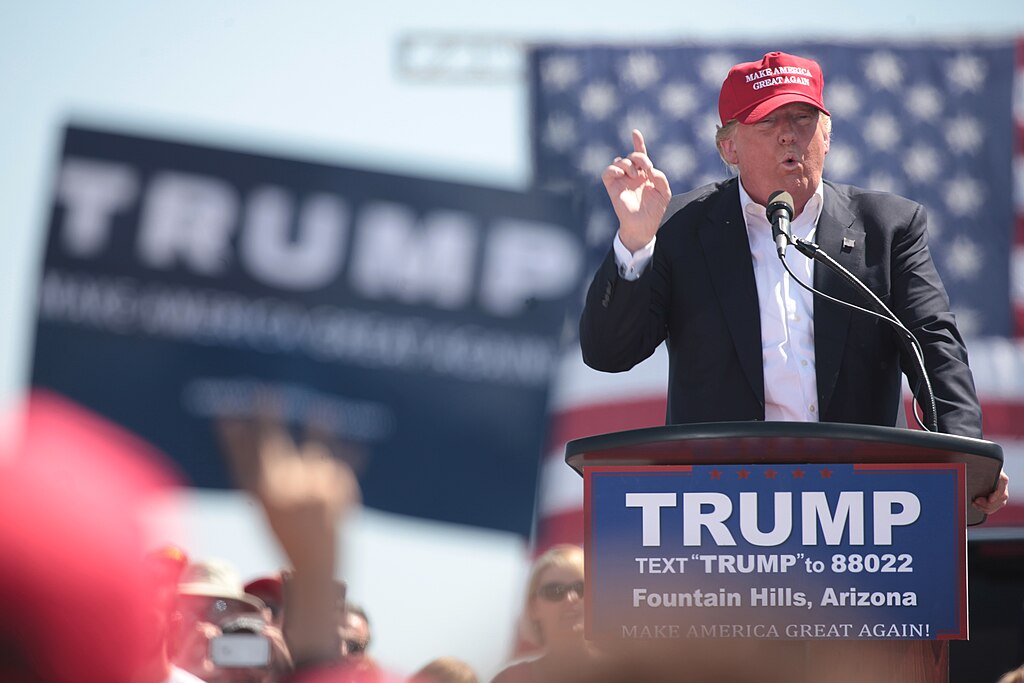
Medical supply shortages remain a critical issue across the United States, especially in light of recent public health crises. Former President Donald Trump’s plans to address these shortages in 2025 have sparked discussions nationwide. His proposals aim to increase domestic production, improve supply chain efficiency, and reduce reliance on foreign manufacturers. However, critics question whether the plans will achieve lasting results or create new challenges for the healthcare system.
Boosting Domestic Medical Production
Central to Trump’s strategy is bolstering domestic production of medical supplies and equipment. He proposes incentivizing U.S.-based manufacturers through tax credits and subsidies, which he believes will strengthen the nation’s self-reliance during emergencies.
Supporters argue that this initiative could reduce dependence on imports, particularly from countries like China, and ensure a steady supply of critical items such as personal protective equipment (PPE) and medications. Trump has emphasized the importance of preparedness, citing past shortages that jeopardized healthcare workers and patients during the COVID-19 pandemic.
While the push for domestic manufacturing is widely supported, critics warn of potential challenges. Industry experts highlight the high costs associated with ramping up production facilities and meeting regulatory requirements. Additionally, they caution that increased production costs could translate into higher prices for consumers.
Streamlining Supply Chains for Efficiency
Another key element of Trump’s plan focuses on improving the efficiency of medical supply chains. By cutting bureaucratic red tape and investing in advanced logistics systems, the initiative aims to prevent bottlenecks that often disrupt the delivery of essential supplies.
Proponents see this as a necessary step to enhance the country’s resilience during emergencies. Faster distribution and better tracking systems could ensure that supplies reach areas in need without delays.
However, some critics question whether sufficient funding and oversight will be allocated to this initiative. They argue that without comprehensive planning, efforts to streamline supply chains could face logistical hurdles and uneven implementation across states.
Public Reactions on Social Media
Trump’s medical supply shortage plans have drawn mixed reactions from netizens on Twitter, where debates continue to unfold:
- @HealthcareHero89: "Finally, someone prioritizing domestic production! This is a game-changer for our medical infrastructure."
- @CriticAlert: "Domestic manufacturing sounds great, but can we afford the price hike? Families are already struggling."
- @LogisticsPro: "Streamlining supply chains is long overdue. Hope this leads to faster delivery and better preparedness."
- @PatientVoice2025: "We need transparency in pricing. Producing locally shouldn’t mean profits for corporations at our expense."
- @PolicyWatcher: "Good intentions, but will states have the resources to implement these changes effectively?"
- @FutureReadyCare: "This could redefine U.S. healthcare. Excited to see how this unfolds, but skeptical about execution."
Challenges and the Road Ahead
While Trump’s plans offer ambitious solutions, the path to implementation is fraught with challenges. Balancing the need for cost-effective production with ensuring quality remains a top concern. Additionally, questions about funding, workforce readiness, and long-term sustainability persist.
Experts stress that achieving these goals will require bipartisan cooperation, significant investment, and robust oversight. As the debate continues, the nation watches closely, hopeful for a future where medical shortages become a thing of the past.







