


 North Korea Warns South Korea Over US-Led Defense Role
  Abbas Reaffirms November 28 Palestinian Elections
  Iran Rejects Nuclear Concessions in Hormuz Deal
  France Defends Netanyahu Airspace Clearance Despite ICC Warrant
  Putin Says Ukraine Peace Proposals Remain on Table
  EU Agrees €6.6 Billion Military Aid Funding for Ukraine
  Pope Leo Backs Press Freedom After White House Media Ban
  Saudi Arabia Seeks Military Support as Houthi Attacks Escalate
  Colombia Extradites FARC Dissident Leader ‘Spider’ to US
  Evan Gershkovich Says FSB Set Trap for 2023 Russia Arrest
  What ‘Taiwan Independence’ Means as Xi Presses Trump on US Policy
  North Korea Rejects Nuclear Test Warning, Calls Nuclear Status Irreversible
  Yemen Violence Displaces 130,000 as Civilian Toll Rises
  US Supreme Court Revives Trump Administration Voter Citizenship Database
  Netanyahu’s Brief US Trip Highlights Strains With Trump
  Netanyahu Defends Israel at UN as Delegates Stage Walkout
  Trump, Xi Visit US National Archives After White House Summit


 Add as a preferred source on Google
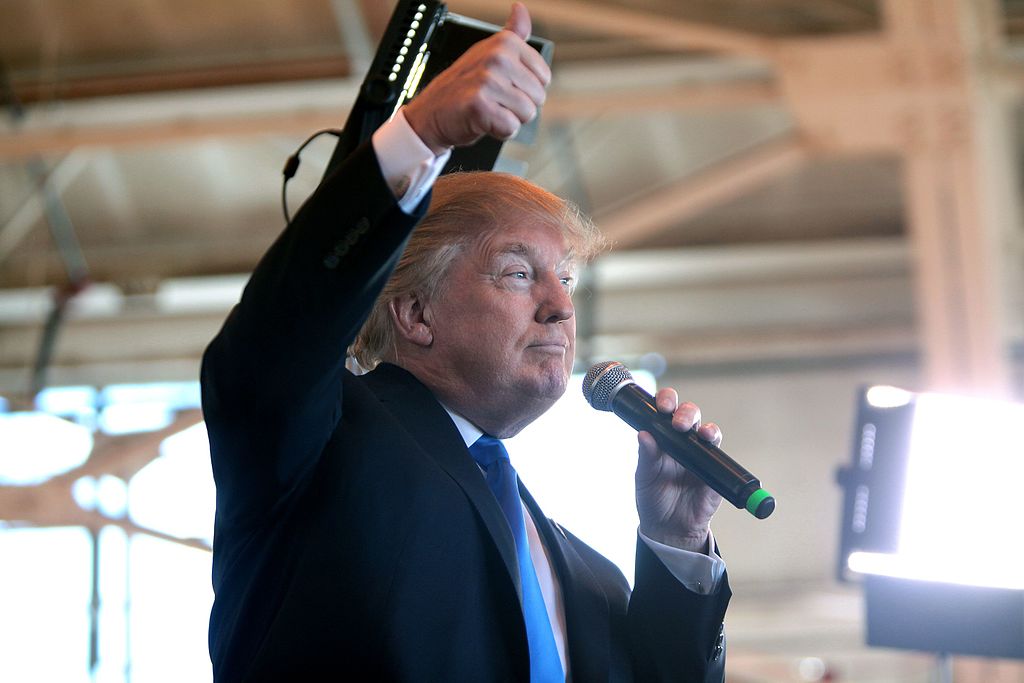
Donald Trump’s proposed strategy to reduce healthcare premiums during his presidency has ignited heated debates among policymakers, healthcare professionals, and citizens. With soaring premiums being a major concern for families across the United States, Trump’s plan promises to deliver financial relief by revamping the insurance market and encouraging competition among providers. While many applaud his efforts to tackle rising costs, critics question whether his approach will benefit all Americans equally.
Increasing Competition Among Healthcare Providers
A central pillar of Trump’s strategy is fostering competition among insurance providers to drive down costs. By loosening federal regulations and empowering states to oversee their healthcare markets, the plan seeks to give consumers more choices while incentivizing insurers to lower premiums.
Proponents argue that increased competition could lead to more affordable options for families struggling to keep up with healthcare costs. Small business owners, in particular, could benefit from reduced expenses when offering employee health benefits.
However, healthcare experts caution that deregulation might lead to uneven implementation across states, potentially creating disparities in care. Additionally, they warn that cheaper plans could compromise essential coverage, leaving policyholders vulnerable to unforeseen medical expenses.
Expanding Health Savings Accounts and Tax Incentives
Another key aspect of Trump’s proposal focuses on expanding Health Savings Accounts (HSAs) and providing tax incentives to help Americans manage their medical expenses. Under the plan, individuals and families could save more money tax-free, offering a buffer against rising healthcare costs.
Supporters hail this initiative as a practical way to empower citizens, giving them greater control over their healthcare spending. However, critics argue that this approach primarily benefits higher-income earners who can afford to set aside significant savings, potentially leaving low-income families at a disadvantage.
Mixed Reactions from the Public
As details of Trump’s plan circulate, social media users have taken to platforms like Twitter to voice their opinions. Here’s what some netizens are saying:
- @AffordableCareNow: "Finally, a plan that tackles high premiums! Competition among providers is exactly what we need."
- @HealthReformCritic: "Lower premiums are great, but not at the expense of comprehensive coverage. Let’s not compromise quality."
- @SmallBizAdvocate: "If this helps small businesses provide insurance, I’m all for it. Let’s see how it unfolds."
- @FamilyFirst2025: "Expanding HSAs is a win for families, but what about those who can’t afford to save?"
- @RuralHealthMatters: "State oversight is risky. Rural areas need federal support to ensure access to affordable care."
- @PatientAdvocate88: "Transparency in pricing is key. Hope this plan addresses hidden costs in healthcare services."
Challenges Ahead for Trump’s Reforms
While Trump’s plan offers promising solutions, implementing these changes will not be without challenges. Ensuring that competition among providers results in meaningful savings for consumers is a complex task. Additionally, balancing affordability with adequate coverage remains a significant hurdle.
Healthcare advocates stress the importance of maintaining protections for individuals with pre-existing conditions, as any gaps in coverage could leave millions vulnerable. Moreover, the reliance on state-driven reforms raises concerns about potential inconsistencies in access and affordability across the nation.
Donald Trump’s vision to reduce healthcare premiums represents an ambitious attempt to address one of America’s most pressing issues. While the plan has sparked hope for lower costs and increased choices, its success will depend on transparent execution and bipartisan cooperation. As the debate continues, Americans are watching closely, eager for meaningful reform in the healthcare system.







