


 Xi Calls for Deeper U.S.-China AI Cooperation in Trump Talks
  What ‘Taiwan Independence’ Means as Xi Presses Trump on US Policy
  North Korea Rejects Nuclear Test Warning, Calls Nuclear Status Irreversible
  Ukrainian Drone Attacks Hit Russian Regions, Injuring at Least 12
  Colombia Extradites FARC Dissident Leader ‘Spider’ to US
  US Backs Musk in Fight Against EU’s €120 Million X Fine
  EU Agrees €6.6 Billion Military Aid Funding for Ukraine
  Pope Leo Warns UN, Multilateral Groups Face Crisis
  North Korea Warns South Korea Over US-Led Defense Role
  Pezeshkian Says US Must Choose When Iran War Ends
  Putin Says Ukraine Peace Proposals Remain on Table
  US Comfortable With Canada Trade Standoff as Import Bans Loom
  Netanyahu Defends Israel at UN as Delegates Stage Walkout
  Iran Rejects Nuclear Concessions in Hormuz Deal
  France Defends Netanyahu Airspace Clearance Despite ICC Warrant
  Saudi Arabia, Turkey and Pakistan Plan Urgent Defence Talks Over Houthi Attacks


 Add as a preferred source on Google
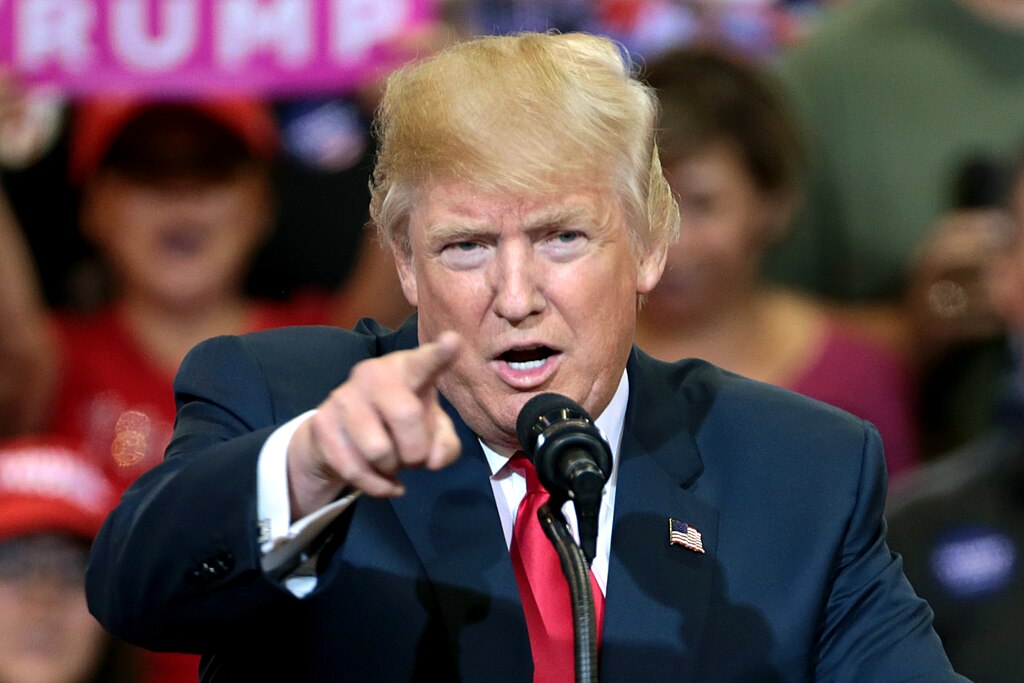
As the 2025 academic year approaches, former President Donald Trump has unveiled an ambitious plan to revolutionize digital education in the United States. His proposal emphasizes increased access to online learning platforms, expanded school choice, and a focus on "patriotic education." While supporters praise the initiative as a necessary modernization of the education system, critics question its feasibility and potential implications.
Expanding Online Learning Platforms
Central to Trump's plan is the expansion of online learning opportunities for students nationwide. He advocates for the development of a federally funded online university, aiming to provide free or low-cost education to students across the country. This initiative seeks to increase accessibility to higher education, particularly for those in underserved communities.
However, concerns have been raised about the quality and accreditation of such programs. Critics argue that without proper oversight, the proposed online university may not meet the rigorous standards required to ensure a comprehensive education. Additionally, the potential impact on existing public and private institutions remains uncertain.
Emphasis on Patriotic Education
Trump's digital education strategy includes a strong emphasis on "patriotic education," aiming to instill a sense of national pride and traditional values in students. He proposes the creation of a curriculum that highlights American history and achievements, delivered through digital platforms to reach a wide audience.
While supporters believe this approach will foster unity and a deeper appreciation for the nation's heritage, detractors worry it may lead to a biased portrayal of history. They caution against the exclusion of critical perspectives and the potential marginalization of diverse narratives that are essential to a well-rounded education.
Public Reactions on Social Media
Trump's digital education proposals have ignited a flurry of reactions on social media platforms. Here are six notable responses from Twitter users:
- @EduReformAdvocate: "Trump's online university could democratize education access. Excited to see how this unfolds!"
- @HistoryTeacher42: "Patriotic education sounds like propaganda. We need balanced, inclusive curricula, not nationalism."
- @TechInEdGuru: "Digital learning is the future, but quality control is crucial. Who will oversee these programs?"
- @ParentConcerned: "Will this plan divert funds from public schools? Our kids need resources, not politics."
- @StudentVoice2025: "Free online university? Sign me up! Just hope the degrees hold real value in the job market."
- @PolicyAnalyst88: "Patriotic education may oversimplify complex historical issues. Education should encourage critical thinking."
Challenges and Considerations
Implementing Trump's digital education plan presents several challenges. Funding remains a significant concern, as the establishment of a federal online university and the development of new curricula require substantial investment. Moreover, the integration of digital platforms into existing educational frameworks necessitates careful planning to ensure compatibility and effectiveness.
Additionally, the emphasis on patriotic education raises questions about academic freedom and the potential politicization of educational content. Ensuring that curricula remain balanced and inclusive is essential to provide students with a comprehensive understanding of history and society.
Donald Trump's 2025 digital education plan proposes sweeping changes aimed at modernizing the American education system. While the expansion of online learning platforms and the focus on patriotic education have garnered support from certain quarters, they have also sparked debate regarding their feasibility, quality, and potential impact on existing educational institutions. As the nation anticipates the implementation of these proposals, the discourse surrounding digital education continues to evolve, reflecting the complexities of balancing innovation with educational integrity.







