


 Senate Democrats Say Tether USDT Helps Iran Evade Sanctions
  Denmark Expects Long-Term NATO Presence in Greenland, Arctic
  TSA Removes Chairs for Airport ID Check Officers
  Russian Drone Strikes Kill Nine Across Ukraine, Hit Kyiv Science Academy
  Rubio Warns Cuba to Change Course as US Pressure Mounts
  Israeli Settlers Attack West Bank Village, Block Palestinian Family’s Return
  US Plans Iran Sanctions Waiver for Pilgrim Flights to Iraq
  Pope Leo Urges Europe to Pursue Peace Through Compromise
  White House Blames Democrats as CLARITY Act Stalls
  US Forces Exit Iraq as Iran Influence and ISIS Risks Grow
  Tim Scott Blames Democrats as CLARITY Act Stalls in Senate
  UN Extends Haiti Security Force Mandate Ahead of Elections
  Polymarket Traders Bet on Trump AI Rename to ‘Super Intelligence’
  Trump Denies Offering Iran Sanctions Relief for Nuclear Concessions
  Trump Eyes $54 Billion South Korean Investment in Alaska LNG
  US Alcohol Ban Exposes Canada’s Internal Trade Barriers
  Trump, Tech Leaders Sign ‘Morally Binding’ AI Safety Accord


 Add as a preferred source on Google
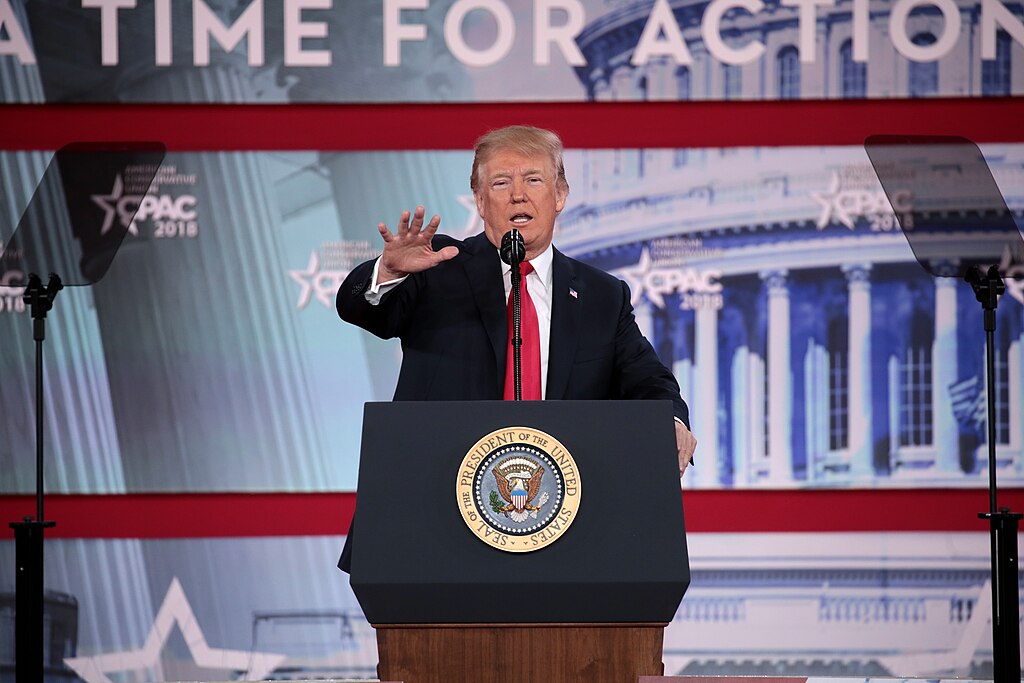
President Donald Trump’s 2025 cybersecurity initiatives place a sharp focus on protecting small businesses from mounting digital threats. As the global reliance on technology deepens, small businesses—often seen as soft targets—are grappling with increasing cyber risks. Trump's plan seeks to bolster these businesses, but critics question whether the measures go far enough.
Enhanced Federal Support for Small Businesses
New Cybersecurity Grants and Training Programs
One of the most anticipated elements of Trump’s cybersecurity strategy is the introduction of federal grants to help small businesses fortify their defenses. Administered by the Department of Homeland Security (DHS), these grants aim to provide financial support for small enterprises to adopt critical cybersecurity technologies, including firewalls, encryption, and threat detection systems.
In addition, the administration plans to roll out nationwide training initiatives to educate small business owners and employees on best practices for preventing breaches. The Small Business Administration (SBA) will reportedly play a key role in distributing resources and coordinating workshops.
Affordable Access to Cybersecurity Tools
Trump’s administration has also proposed partnerships with private cybersecurity firms to offer discounted services to small businesses. This includes affordable access to software that provides 24/7 threat monitoring and mitigation. The White House emphasized that small businesses represent the backbone of the economy, and ensuring their digital resilience is a national priority.
Criticism and Calls for Stronger Measures
Concerns Over Scalability
While many applaud the administration’s efforts, cybersecurity experts warn that the current measures might not be scalable for small businesses with limited technical expertise. Critics argue that grants and training alone won’t suffice without stronger legislative protections to address data breaches at their source.
Unclear Enforcement Policies
Another concern lies in the lack of clarity around enforcement policies for cybersecurity compliance. Industry insiders argue that small businesses may struggle to meet cybersecurity standards without more detailed guidance and financial incentives.
Public Reaction: Divided Opinions on Social Media
- @CyberDefender2025: “Finally, a president prioritizing small businesses in cybersecurity. It's long overdue—kudos to Trump for stepping up!”
- @SmallBizOwner92: “Great idea, but will the grants actually cover enough costs? Cybersecurity tools aren’t cheap!”
- @TechCriticUSA: “Trump’s plan is a Band-Aid on a bullet wound. We need structural change, not discounts on software.”
- @DigitalProtectNow: “Workshops and grants are nice, but what about penalties for big corporations leaking data? Priorities seem skewed.”
- @MainStreetProud: “This is the leadership we need! Small businesses deserve federal support to combat rising cyberattacks.”
- @FutureTechWatch: “A decent start, but Trump must collaborate with Congress to make cybersecurity compliance more attainable for all.”







