


 Israeli Settlers Attack West Bank Village, Block Palestinian Family’s Return
  Russian Drone Strikes Kill Nine Across Ukraine, Hit Kyiv Science Academy
  Second DOJ Lawyer Exits Trump Probe
  US Sanctions Iran Weapons Procurement Network
  Denmark Expects Long-Term NATO Presence in Greenland, Arctic
  US Troops Set to Complete Iraq Withdrawal as Iran Influence Grows
  Tim Scott Blames Democrats as CLARITY Act Stalls in Senate
  Pope Leo Urges Europe to Pursue Peace Through Compromise
  US Appeals Court Keeps Trump IRS Case Sanctions in Place
  California Bans Memecoins Issued by Public Officials Under New Law
  Trump Eyes $54 Billion South Korean Investment in Alaska LNG
  Judge Blocks Trump Election Conditions on Counterterrorism Grants
  White House Blames Democrats as CLARITY Act Stalls
  Trump Denies Offering Iran Sanctions Relief for Nuclear Concessions
  UN Condemns Myanmar Airstrike That Kills 50 in Rakhine
  Haiti Gang Retaliation Kills at Least 11 in Artibonite
  China Cuts Tariffs on U.S. Farm Goods but Excludes Soybeans


 Add as a preferred source on Google
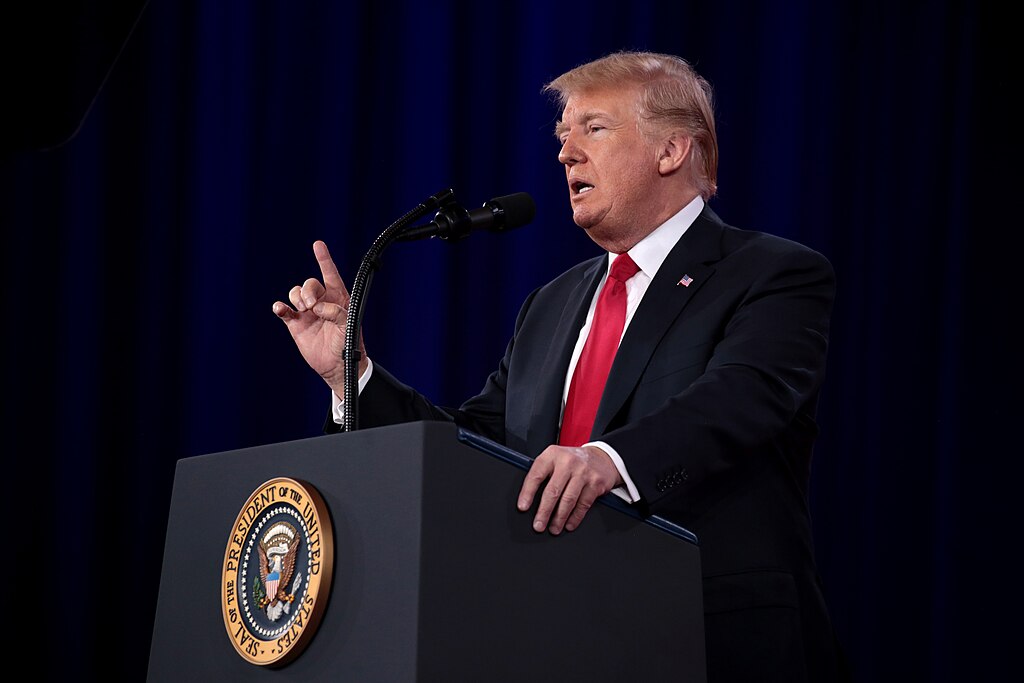
As President Donald Trump embarks on his 2025 agenda, his administration has turned its focus to closing income tax loopholes that disproportionately benefit corporations and high-net-worth individuals. This aggressive effort aims to bolster federal revenue, ensure fairness in the tax system, and ease the burden on middle-class Americans. However, the proposed reforms have sparked widespread debate among policymakers, economists, and taxpayers.
Targeting Corporate Tax Loopholes
Reducing Offshore Tax Shelters
The Trump administration’s primary focus is curbing the use of offshore tax shelters by multinational corporations. A recently proposed regulation would penalize companies for shifting profits to low-tax jurisdictions, requiring them to pay U.S. taxes on global earnings. Treasury Secretary Steven Mnuchin stated that the measure aims to “level the playing field for domestic businesses.”
Critics argue that this policy could discourage foreign investment and potentially harm economic growth. However, proponents assert it could recover billions in lost revenue and incentivize companies to reinvest in the United States. For instance, a Congressional Budget Office report estimates that closing offshore loopholes could generate $50 billion annually.
Limiting Deductions for High-Income Earners
Another key proposal involves capping deductions for the wealthiest Americans, including mortgage interest and charitable contributions. The administration argues that these deductions unfairly benefit high-income individuals at the expense of the federal budget.
Economists remain divided on the potential impact. Some warn this could reduce charitable giving, while others highlight that it ensures wealthy taxpayers contribute their fair share. Social media has been abuzz with reactions to these controversial changes.
Addressing Middle-Class Concerns
Expanding Tax Relief Programs
To offset the effects of closing loopholes, Trump’s administration has pledged to expand tax credits for middle- and low-income families. These measures include increasing the Child Tax Credit and Earned Income Tax Credit, both of which aim to reduce economic inequality and support working-class families.
Advocates praise these efforts as meaningful steps toward equity, but detractors question whether these adjustments will be sufficient to counterbalance potential economic disruptions. “These credits are great, but they must accompany broader reforms,” said an economist at the Brookings Institution.
Netizens React: Divided Opinions on Social Media
- @TaxReformNow: “Finally, a president addressing tax fairness! These loopholes hurt everyday Americans while the rich get richer.”
- @CorporateWatchdog: “Multinationals dodging taxes? Not under Trump! This could bring billions back to the U.S. economy.”
- @MiddleClassMom: “Capping deductions? How does that help families like mine? Looks like a half-baked plan.”
- @InvestorRights: “Offshore penalties will backfire. Companies will simply find new ways to game the system.”
- @CharityAdvocate: “Limiting charitable deductions? That will hurt nonprofits more than it helps the budget.”
- @ProgressiveVoices: “Tax reform is great, but let’s be real: Will this truly close the wealth gap?”







