


 UN Condemns Myanmar Airstrike That Kills 50 in Rakhine
  Denmark Expects Long-Term NATO Presence in Greenland, Arctic
  Second DOJ Lawyer Exits Trump Probe
  Haiti Gang Retaliation Kills at Least 11 in Artibonite
  Trump, Tech Leaders Sign ‘Morally Binding’ AI Safety Accord
  Judge Blocks Trump Election Conditions on Counterterrorism Grants
  China Cuts Tariffs on U.S. Farm Goods but Excludes Soybeans
  US Alcohol Ban Exposes Canada’s Internal Trade Barriers
  US Troops Set to Complete Iraq Withdrawal as Iran Influence Grows
  White House Blames Democrats as CLARITY Act Stalls
  Israeli Settlers Attack West Bank Village, Block Palestinian Family’s Return
  Polymarket Traders Bet on Trump AI Rename to ‘Super Intelligence’
  California Bans Memecoins Issued by Public Officials Under New Law
  CNN, Politico and MS NOW Seek Court Order Blocking Trump White House Ban
  US Sanctions Iran Weapons Procurement Network
  Trump Eyes $54 Billion South Korean Investment in Alaska LNG
  Russian Drone Strikes Kill Nine Across Ukraine, Hit Kyiv Science Academy


 Add as a preferred source on Google
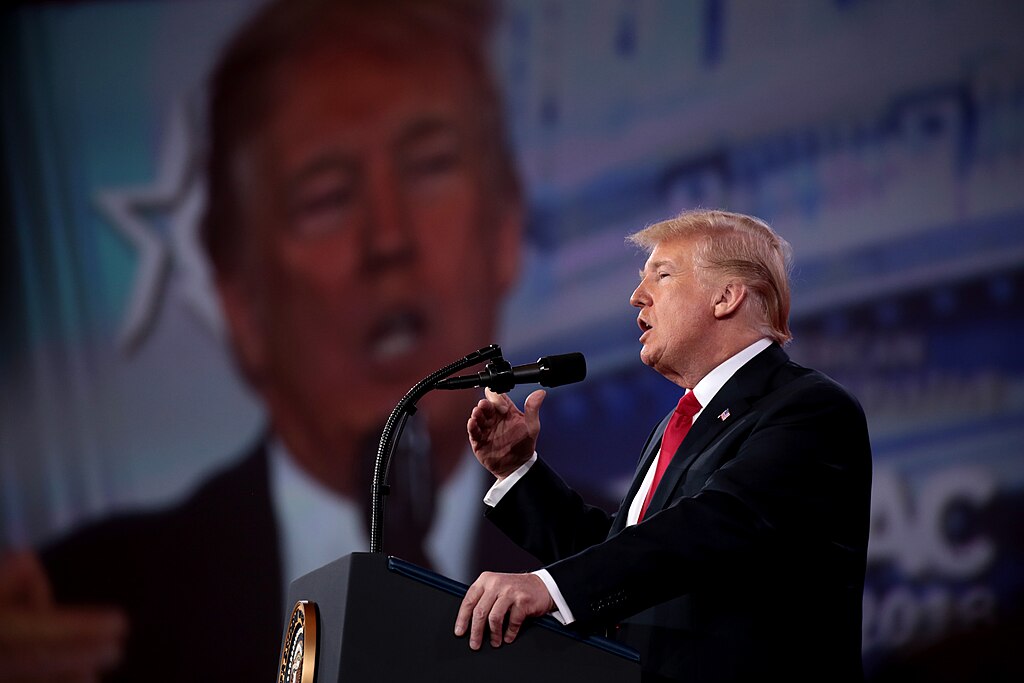
The Trump administration’s handling of whistleblower protections in 2025 is under intense scrutiny, as critics question whether the policies will uphold transparency or stifle dissent. Whistleblower protections, a cornerstone of government accountability, have long been a contentious issue. With President Donald Trump returning to the Oval Office, many wonder how his administration will navigate the delicate balance between safeguarding whistleblowers and enforcing loyalty within government ranks.
Stronger Oversight or Eroding Protections?
Policy Changes in Focus
Early signals from the Trump administration suggest potential shifts in whistleblower policies. Analysts predict a tougher stance on what the administration deems “unauthorized disclosures,” emphasizing national security concerns. Critics argue this approach could blur the lines between legitimate whistleblowing and leaks, discouraging government employees from reporting misconduct.
While official statements emphasize a commitment to protecting individuals reporting through “proper channels,” advocates worry that narrowing these pathways could effectively silence those attempting to expose corruption or abuse. Proposed changes to whistleblower legislation, reportedly aimed at “preventing misuse,” have already sparked debate.
Impact on Federal Agencies
Federal agencies such as the Department of Defense and the Intelligence Community are likely to see enhanced restrictions under Trump’s administration. Internal compliance programs may expand, focusing on identifying potential whistleblowers before they act. However, whistleblower advocates warn that such measures could deter ethical disclosures and erode trust within agencies.
The Broader Debate: Accountability vs. Loyalty
Supporters Back Stricter Measures
Proponents of stricter whistleblower regulations argue that national security should take precedence. High-profile cases involving leaked classified information have fueled calls for reforms, with supporters pointing to the need for tighter controls. They contend that while protections are essential, policies must not allow bad actors to exploit them.
Critics Fear Chilling Effects
Opponents claim the administration’s approach risks undermining transparency. Whistleblower advocates stress the importance of protections as a check on government overreach. “Without robust protections, whistleblowers will fear retaliation, leaving misconduct unchecked,” said one legal expert. Critics are urging Congress to strengthen existing laws to safeguard those reporting abuse.
Netizens React: Divided Opinions Flood Social Media
- @AccountabilityMatters: “This administration’s whistleblower stance is terrifying. Who will hold them accountable if protections are eroded?”
- @PatriotFirst: “Leakers are NOT whistleblowers. Trump is right to tighten the rules and protect national security!”
- @TransparencyNow: “We need whistleblowers to expose corruption. Trump’s policies are a direct threat to democracy.”
- @NationalDefense2025: “If you’re a patriot, you don’t need protection for spilling secrets. Do your job or leave.”
- @PolicyCritic: “This is the beginning of a dangerous era for accountability. Congress needs to act now to protect whistleblowers!”
- @EthicsWatcher: “Whistleblowers are the backbone of government transparency. Silencing them is a step backward for the nation.”







