


 Neuren Pharmaceuticals Surges on U.S. Patent Win for Rare Disorder Drug
  Is space worth the cost? Accounting experts say its value can’t be found in spreadsheets
  NASA's Artemis II Mission: First Crewed Lunar Journey Since Apollo
  Cogent Biosciences Soars 120% on Breakthrough Phase 3 Results for Bezuclastinib in GIST Treatment
  Blue Origin’s New Glenn Achieves Breakthrough Success With First NASA Mission
  Trump and Merck KGaA Partner to Slash IVF Drug Costs and Expand Fertility Coverage
  SpaceX Prioritizes Moon Mission Before Mars as Starship Development Accelerates
  Neuralink Expands Brain Implant Trials with 12 Global Patients
  Astronomers have discovered another puzzling interstellar object − this third one is big, bright and fast
  Trump Signs Executive Order to Boost AI Research in Childhood Cancer
  Lost in space: MethaneSat failed just as NZ was to take over mission control – here’s what we need to know now


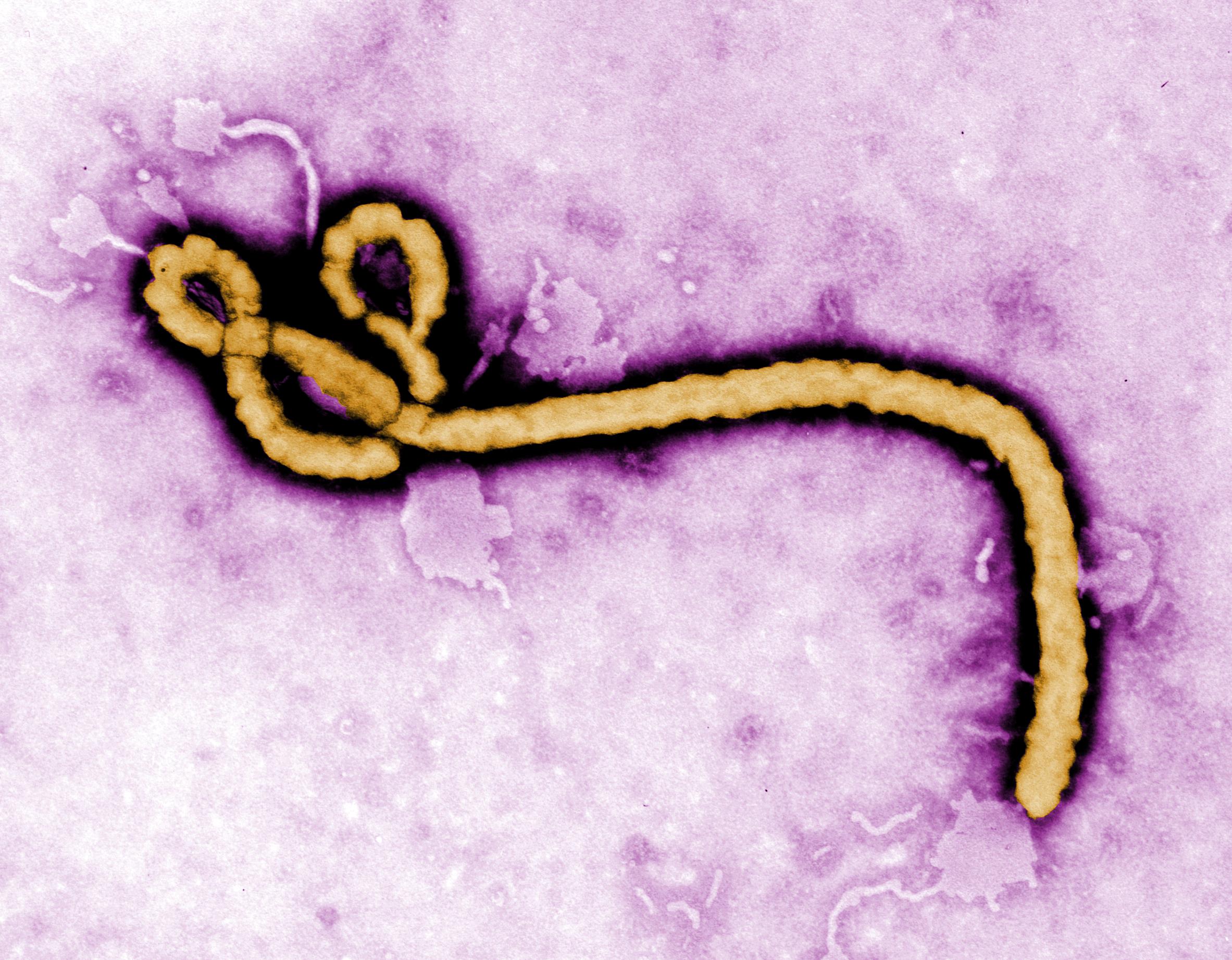
Right now, drug delivery to treat a myriad of illnesses, vaccinate, or encourage therapeutic results is still crude. Health workers use syringes or tubes to inject medication directly into the body if oral or anal consumption are not good options. However, scientists have found a way to harness the most dangerous properties of viruses to potentially help make drug delivery more efficient in the future.
The research team that worked on the project was comprised of biochemists from the University of Utah and protein engineers from the University of Washington, Phys.org reports. It might seem a bit odd to take a cue from viruses to find new healing methods, but as one of the researchers, Wesley Sundquist said, there has been a shift in perspective among the scientific community over the years pertaining to viruses.
"We're shifting our perception from viruses as pathogens to viruses as inspiration for new tools," Sundquist said.
Generally speaking, viruses work like delivery agents where they transport their infectious load and then unload it to cells that they come in contact with. Once there, more dangerous content is produced, launching them to other cells in the process.
The scientists managed to design what they call “nanocages,” which act much like the viruses do. Instead of infectious packages, however, these microscopic couriers shaped like soccer balls can be used to deliver drugs or other useful chemicals or nutrients.
Speaking to Stat, Sundquist explains how the project came to be, how they managed to get to this point, and what they hope to accomplish with the results.
“This is early stage. But in principle, what viruses do is transfer information from one cell to another cell,” he said. “That information, for example, can be RNA. We can now do that with an artificial system. So if we put an enzyme in the cages, we can transfer it to a new cell and detect the enzymatic activity in that next cell. Now, we’re interested in transferring nucleic acids. So instead of transferring an enzyme, you could transfer the gene that codes for the enzyme and makes more of it.”







