


 US Alcohol Ban Exposes Canada’s Internal Trade Barriers
  New Zealand Election Raises Policy Uncertainty for Investors
  Trump Denies Offering Iran Sanctions Relief for Nuclear Concessions
  Netanyahu Says Israel May Join Flydubai Crash Attempt Probe
  California Leads Lawsuit Over Trump’s $810 Million Funding Cuts
  Israeli Settlers Attack West Bank Village, Block Palestinian Family’s Return
  Trump Eyes $54 Billion South Korean Investment in Alaska LNG
  Polymarket Traders Bet on Trump AI Rename to ‘Super Intelligence’
  Tim Scott Blames Democrats as CLARITY Act Stalls in Senate
  US Officials See China Taiwan Invasion Before 2028 as Less Likely
  US Conducts Non-Nuclear Explosion Test to Boost Nuclear Detection
  Malaysia Begins Deportation of 1,500 Myanmar Nationals
  US Appeals Court Keeps Trump IRS Case Sanctions in Place
  Israel Tightens Pilot Security After Flydubai Incident
  UN Extends Haiti Security Force Mandate Ahead of Elections
  UN Condemns Myanmar Airstrike That Kills 50 in Rakhine
  US Forces Exit Iraq as Iran Influence and ISIS Risks Grow


 Add as a preferred source on Google
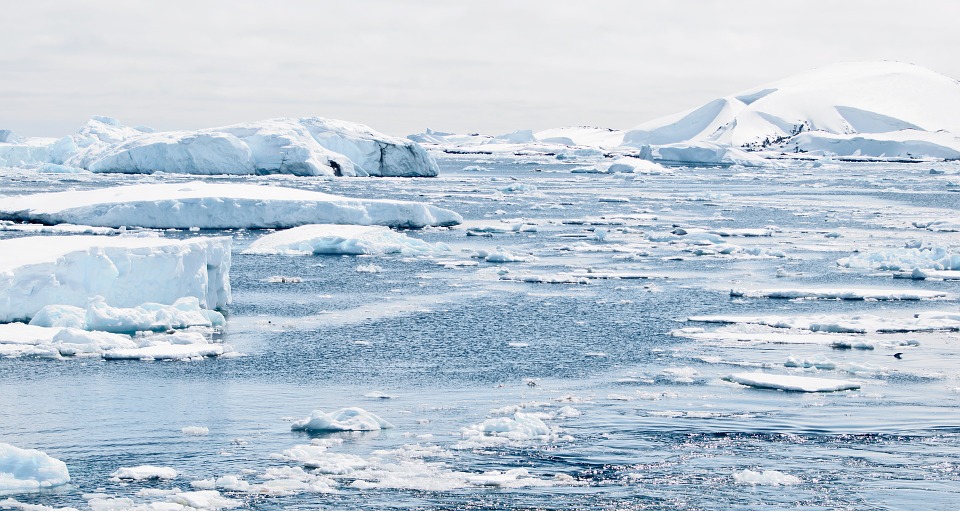
The United States is set to appoint an ambassador for the Arctic region. The move to appoint an envoy comes amidst Russia and China’s ambitions in the area.
The US State Department said Washington intends to appoint an ambassador-at-large for the Arctic region, highlighting the region’s strategic importance. The move to appoint an ambassador comes amidst NATO’s report of Russia’s reopening of old Soviet sites in the Arctic region, as well as China’s plans to build a “polar silk road.”
“An Arctic region that is peaceful, stable, prosperous, and cooperative is of critical strategic importance to the United States,” said the department.
“As one of eight Arctic nations, the United States has long been committed to protecting our national security and economic interests in the region, combating climate change, fostering sustainable development and investment, and promoting cooperation with Arctic states, Allies, and partners,” said the department.
Aside from the United States, Canada, Finland, Sweden, Norway, Denmark, Iceland, and Russia, make up the Arctic nations.
Friday last week, NATO chief Jens Stoltenberg said Russia reopened its Soviet-era military sites in the region, following his visit to the Arctic. Stoltenberg said Russian capabilities in the Arctic would pose a strategic challenge to the alliance.
Aside from Russia, China is also seeking to pursue the Arctic region, with Beijing having said it plans to establish a “Polar Silk Road” as well as eyeing the mineral resources and new shipping routes in the area.
Washington has yet to announce who would President Joe Biden nominate to be the Arctic ambassador.
A US judge Saturday ruled that the families of the victims of the 9/11 attacks are not entitled to seize the billions of dollars of assets that belong to the Afghanistan central bank as compensation. Around $7 billion of assets are currently held in the United States.
US Magistrate Judge Sarah Netburn in Manhattan said Friday that the Afghanistan Central Bank was immune from its jurisdiction.
The judge added that only the president could allow the seizures of the bank’s assets, which would also result in recognizing the Taliban as Afghanistan’s legitimate government.
“The Taliban’s victims have fought for years for justice, accountability, and compensation. They are entitled no less,” said the judge in her ruling. “But the law limits what compensation the court may authorize, and those limits put the DAB’s assets beyond its authority.”







