


 Russia Warns NATO of Nuclear Response Over Kaliningrad
  Wicker Urges US to Uphold Taiwan Security Commitments
  Israel Tightens Pilot Security After Flydubai Incident
  UN Extends Haiti Security Force Mandate Ahead of Elections
  Trump, Tech Leaders Sign ‘Morally Binding’ AI Safety Accord
  US Appeals Court Keeps Trump IRS Case Sanctions in Place
  US Troops Set to Complete Iraq Withdrawal as Iran Influence Grows
  UN Condemns Myanmar Airstrike That Kills 50 in Rakhine
  US Sanctions Iran Weapons Procurement Network
  US Alcohol Ban Exposes Canada’s Internal Trade Barriers
  Malaysia Begins Deportation of 1,500 Myanmar Nationals
  US Officials See China Taiwan Invasion Before 2028 as Less Likely
  US Forces Exit Iraq as Iran Influence and ISIS Risks Grow
  Tim Scott Blames Democrats as CLARITY Act Stalls in Senate
  Netanyahu Vows Probe Into Foiled Flydubai Crash Attempt
  New Zealand Election Raises Policy Uncertainty for Investors
  Trump Says He Raised Political Prisoners With Xi


 Add as a preferred source on Google
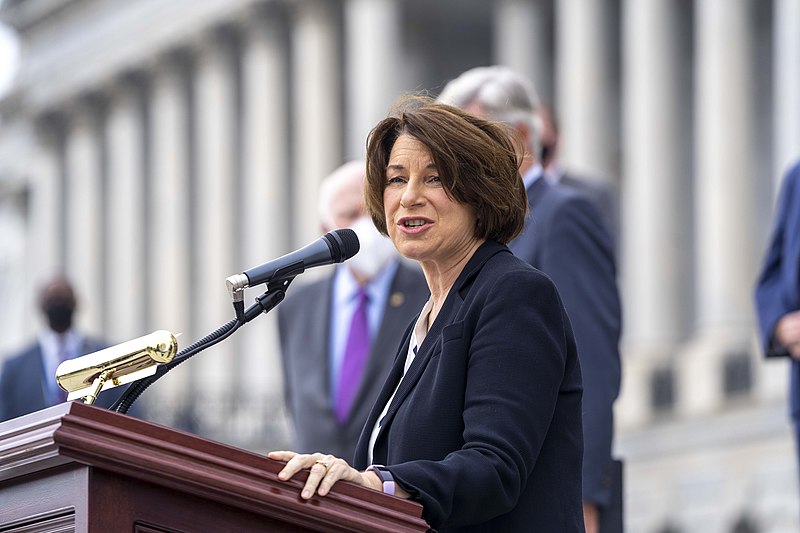
A bipartisan group of US lawmakers this week introduced legislation that would allow news outlets to negotiate with major online platforms. The new bill comes after its previous version was opposed by two technology groups that included the platforms that Facebook and Google are part of.
Four lawmakers of the House and Senate Judiciary Committees unveiled their legislation named the Journalism Competition and Preservation Act Monday, which would allow for negotiations between news outlets and major platforms like Google and Facebook. The bill is a revised version of the legislation that was first introduced in March last year but ran into opposition from tech trade groups that Facebook and Google are part of.
The bill would remove “legal obstacles to news organizations’ ability to negotiate collectively and secure fair terms from gatekeeper platforms that regularly access news content without paying for its value.” Democratic Senator Amy Klobuchar, Republican Senator John Kennedy, Democratic Rep. David Cicilline, and Republican Rep. Ken Buck introduced the bill.
The revised legislation would cover news outlets that have less than 1,500 full-time employees and non-network news broadcasters. The bill would also allow them to coordinate to negotiate better deals with Facebook, Google, and other major platforms.
The legislation introduced last year, would have applied to any print, broadcast, or digital news outlet with an editorial staff that published content at least on a weekly basis.
Meanwhile, Reuters reports that the decision by the Biden administration to forgive student loan debt as early as Wednesday, according to a source familiar with the matter. This comes as the current pause on student loan payments is set to expire at the end of August, with borrower balances frozen since the start of the COVID-19 pandemic in the country.
Several advocates for student loan cancellation expect the Biden administration to extend its current pause on student loan payments until the end of the year, while also announcing plans to cancel as much as $10,000 in student debt for those whose income is less than $125,000 a year.
The issue is likely to come up in the midterm elections in November, especially among younger voters, most of whom tend to lean Democratic.







