


 NATO Boosts Intelligence Sharing Amid Russia Hybrid Threats
  France Defends Netanyahu Airspace Clearance Despite ICC Warrant
  Kremlin Says No Decision Yet on Putin-Trump December Summit
  Europe Warns Russia Is Escalating Hybrid Attacks Across NATO
  Yemen Violence Displaces 130,000 as Civilian Toll Rises
  Netanyahu Defends Israel at UN as Delegates Stage Walkout
  Russian Envoy Dmitriev Heads to US for Ukraine Talks
  Netanyahu Takes Aim at Mamdani as Israel Election Nears
  US Backs Musk in Fight Against EU’s €120 Million X Fine
  Trump, Xi Focus on Trade and AI at White House Summit
  Abbas Reaffirms November 28 Palestinian Elections
  Gaza Faces Evacuation Crisis as War-Damaged Buildings Risk Collapse
  US, China Extend Trade Truce to Jan. 10 Ahead of Trump-Xi Summit
  Netanyahu’s Brief US Trip Highlights Strains With Trump
  EU Defence Build-Up Too Slow for 2030 Russia Readiness Goal
  US Officials Split Over Response to Israeli West Bank Settlements
  Mexico-US Trade Talks Delayed to October as Tariff Negotiations Continue


 Add as a preferred source on Google
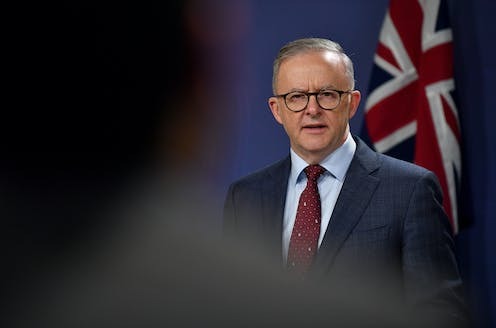
Australian Prime Minister Anthony Albanese confirmed on Friday that three Australian defence personnel were aboard a United States submarine involved in sinking an Iranian warship with a torpedo in the Indian Ocean. However, Albanese emphasized that the Australians did not participate in the offensive operation.
The incident reportedly occurred earlier this week off the southern coast of Sri Lanka. According to authorities, Sri Lankan officials recovered the bodies of 87 sailors following the attack. The strike has drawn global attention because it marks the first time since World War II that the United States has destroyed an enemy vessel using a torpedo in combat.
Albanese clarified that the Australian personnel were present on the submarine as part of a training program connected to the AUKUS security pact. The AUKUS agreement between Australia, the United States, and the United Kingdom aims to strengthen defense cooperation and help Australia develop and operate nuclear-powered submarines. Under the partnership, Australian military members regularly participate in training exercises with allied forces to build operational knowledge and technical experience.
Speaking to Sky News, Albanese stressed that Australia had no direct role in the attack against Iran. “No Australian personnel have participated in any offensive action against Iran,” he said. The prime minister explained that the presence of Australian sailors aboard allied vessels is part of long-standing third-country training arrangements that have existed for years.
Australia, one of the United States’ closest allies, has repeatedly stated that it will not take part in military combat in the current Middle East conflict. Instead, the country has indicated its support for international diplomatic and security efforts aimed at preventing Iran from developing nuclear weapons.
The strike occurred amid rising tensions across the Middle East. On Thursday, U.S. and Israeli aircraft reportedly launched airstrikes targeting several locations across Iran. At the same time, multiple cities across the Gulf region experienced renewed bombardment, highlighting the growing intensity of the regional conflict.
The situation continues to draw international attention as global leaders monitor developments in the Indian Ocean and the wider Middle East, where escalating military actions have raised concerns about broader geopolitical instability.







