


 Judge Orders Trump to Restore White House Access for CNN, MS NOW and Politico
  Ghana Says Western Support Growing for Slave Trade Reparations
  Kremlin Says No Decision Yet on Putin-Trump December Summit
  Saudi Arabia, Turkey and Pakistan Plan Urgent Defence Talks Over Houthi Attacks
  Sudan Rejects US Legitimacy Remarks, Defends Sovereignty
  Xi Calls for Deeper U.S.-China AI Cooperation in Trump Talks
  North Korea Rejects Nuclear Test Warning, Calls Nuclear Status Irreversible
  Najib Razak Seeks Stay of 15-Year 1MDB Prison Sentence
  Trump Asks Supreme Court to Restore Third-Country Deportations
  Ukrainian Drone Attacks Hit Russian Regions, Injuring at Least 12
  Yemen Violence Displaces 130,000 as Civilian Toll Rises
  Taiwan Thanks US for Support Ahead of Trump-Xi Summit
  Mexico-US Trade Talks Delayed to October as Tariff Negotiations Continue
  South Korea, US Discuss Warship Building Cooperation
  Netanyahu Defends Israel at UN as Delegates Stage Walkout
  Netanyahu Takes Aim at Mamdani as Israel Election Nears
  US Backs Musk in Fight Against EU’s €120 Million X Fine


 Add as a preferred source on Google
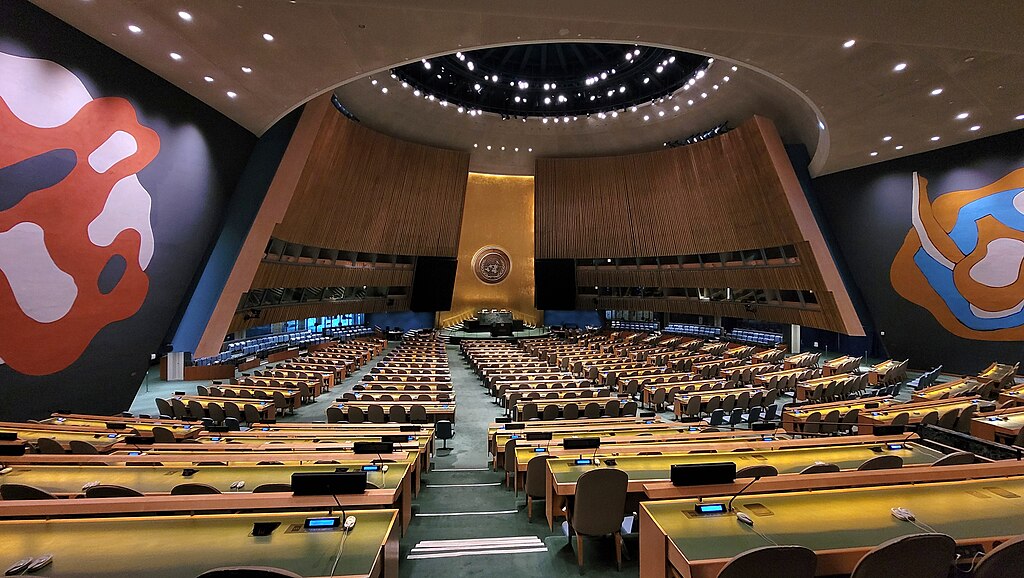
The United States told the U.N. Security Council that its recent airstrikes on Iranian nuclear facilities achieved their goal of degrading Iran’s capacity to develop a nuclear weapon. Acting U.S. envoy Dorothy Shea said the strikes were carried out under the U.N. Charter’s collective self-defense clause and aimed to reduce the threat posed by Iran to Israel and global peace.
President Donald Trump declared the weekend strikes “completely obliterated” Iran’s key enrichment sites and announced a ceasefire between Iran and Israel. However, a preliminary U.S. intelligence assessment suggests the strikes may have delayed Iran’s nuclear program by only a few months.
Israel’s U.N. Ambassador Danny Danon said the attacks successfully neutralized an imminent threat. Meanwhile, Iran’s U.N. Ambassador Amir Saeid Iravani condemned the airstrikes as “criminal aggression” and reiterated Iran’s claim that its nuclear program is for peaceful purposes. He emphasized diplomacy as the only viable path forward.
The Security Council convened to assess the status of the 2015 Iran nuclear deal, which lifted sanctions in return for nuclear restrictions. Trump withdrew from the agreement in 2018, reinstating U.S. sanctions, prompting Iran to scale back its commitments.
U.N. political chief Rosemary DiCarlo expressed disappointment over the lack of progress in fulfilling the deal’s objectives. Indirect U.S.-Iran negotiations had resumed in April but were halted after Israel began targeting Iran’s nuclear and missile sites on June 13.
Russia’s U.N. Ambassador Vassily Nebenzia criticized Western narratives, citing IAEA reports. The agency has not confirmed Iran’s program is entirely peaceful but found no evidence of a coordinated weapons effort.
The situation underscores deep divisions within the international community over Iran’s nuclear ambitions and the path toward long-term regional stability.







