


 Ghana Says Western Support Growing for Slave Trade Reparations
  Mexico-US Trade Talks Delayed to October as Tariff Negotiations Continue
  Najib Razak Seeks Stay of 15-Year 1MDB Prison Sentence
  Netanyahu’s Brief US Trip Highlights Strains With Trump
  Yemen Violence Displaces 130,000 as Civilian Toll Rises
  North Korea Rejects Nuclear Test Warning, Calls Nuclear Status Irreversible
  Ukrainian Drone Attacks Hit Russian Regions, Injuring at Least 12
  Kremlin Says No Decision Yet on Putin-Trump December Summit
  US Backs Musk in Fight Against EU’s €120 Million X Fine
  North Korea Warns South Korea Over US-Led Defense Role
  Judge Orders Trump to Restore White House Access for CNN, MS NOW and Politico
  Taiwan Thanks US for Support Ahead of Trump-Xi Summit
  Sudan Rejects US Legitimacy Remarks, Defends Sovereignty
  Xi Calls for Deeper U.S.-China AI Cooperation in Trump Talks
  Abbas Reaffirms November 28 Palestinian Elections
  EU Defence Build-Up Too Slow for 2030 Russia Readiness Goal
  What ‘Taiwan Independence’ Means as Xi Presses Trump on US Policy


 Add as a preferred source on Google
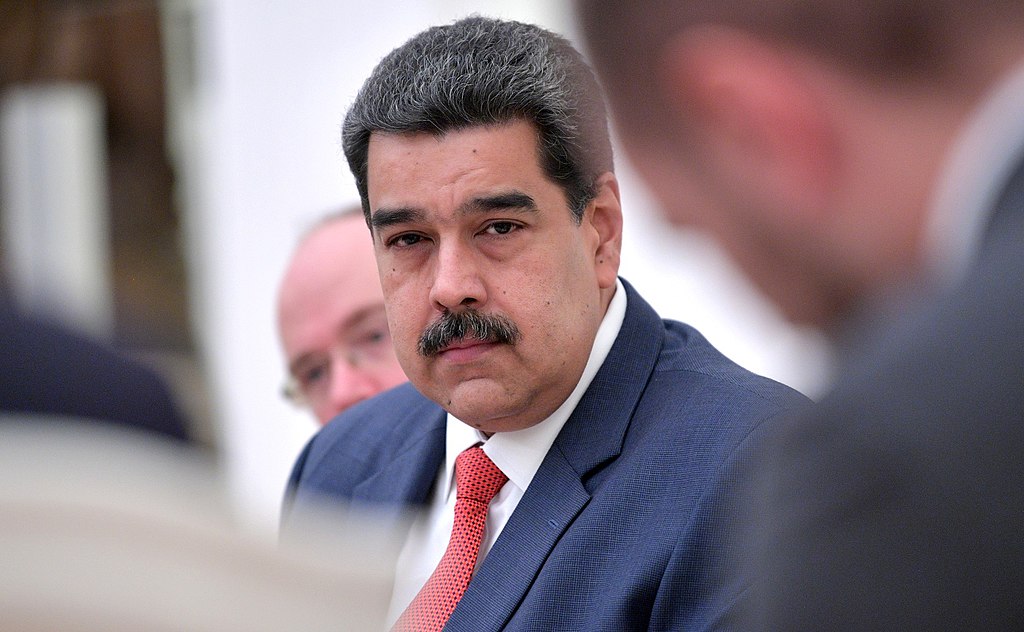
The United States has seized two oil tankers linked to Venezuela in the Atlantic Ocean, marking a major escalation in President Donald Trump’s strategy to control oil flows in the Americas and pressure Venezuela’s socialist government. One of the vessels was sailing under Russia’s flag, raising geopolitical tensions with Moscow amid the ongoing war in Ukraine.
According to U.S. officials, the seizures followed the arrest of Venezuelan President Nicolás Maduro during a U.S. military operation in Caracas over the weekend. The move has intensified Washington’s blockade of vessels accused of transporting sanctioned Venezuelan oil. Venezuela is a member of OPEC and holds the world’s largest proven crude reserves, making its energy sector central to global oil markets.
The U.S. Coast Guard and military special forces intercepted the Marinera crude oil tanker on Wednesday after a weeks-long pursuit across the Atlantic. The vessel had previously refused boarding and later switched to Russia’s flag, which U.S. officials described as an attempt to evade sanctions. Vice President JD Vance said the tanker was part of a “shadow fleet” used to move sanctioned oil from Venezuela and Iran. Earlier the same day, another tanker, the Panama-flagged M Sophia, was seized near South America while fully loaded with Venezuelan crude.
The Trump administration says it will selectively roll back some Venezuelan oil sanctions first imposed in 2019, allowing the U.S. to refine and sell up to 50 million barrels of crude currently stranded under restrictions. The White House argues this approach could revive Venezuela’s oil sector through authorized commercial channels while ensuring U.S. national security interests are met.
China, Venezuela’s largest oil buyer, condemned the seizures as economic bullying, while Russia criticized U.S. actions but declined immediate comment. Inside the United States, Democrats raised alarm over the precedent of arresting a foreign head of state and effectively controlling another country through its energy resources.
Venezuela’s acting leadership has signaled openness to negotiations, with state oil company PDVSA confirming talks with U.S. officials on potential legal and transparent energy deals. Meanwhile, global oil prices fell amid expectations that increased Venezuelan supply could soon reach international markets.







