


 Saudi Arabia, Turkey and Pakistan Plan Urgent Defence Talks Over Houthi Attacks
  Netanyahu’s Brief US Trip Highlights Strains With Trump
  US Senate Rejects Iran War Powers Resolution in 50-49 Vote
  OpenAI Agent Breaches Australia Medicare Data Portal
  EU Defence Build-Up Too Slow for 2030 Russia Readiness Goal
  Abbas Reaffirms November 28 Palestinian Elections
  France Defends Netanyahu Airspace Clearance Despite ICC Warrant
  Kremlin Says No Decision Yet on Putin-Trump December Summit
  North Korea Rejects Nuclear Test Warning, Calls Nuclear Status Irreversible
  Trump, Xi Focus on Trade and AI at White House Summit
  South Korea, US Discuss Warship Building Cooperation
  Ukrainian Drone Attacks Hit Russian Regions, Injuring at Least 12
  Xi Calls for Deeper U.S.-China AI Cooperation in Trump Talks
  Trump Asks Supreme Court to Restore Third-Country Deportations
  Najib Razak Seeks Stay of 15-Year 1MDB Prison Sentence
  North Korea Warns South Korea Over US-Led Defense Role
  Judge Orders Trump to Restore White House Access for CNN, MS NOW and Politico


 Add as a preferred source on Google
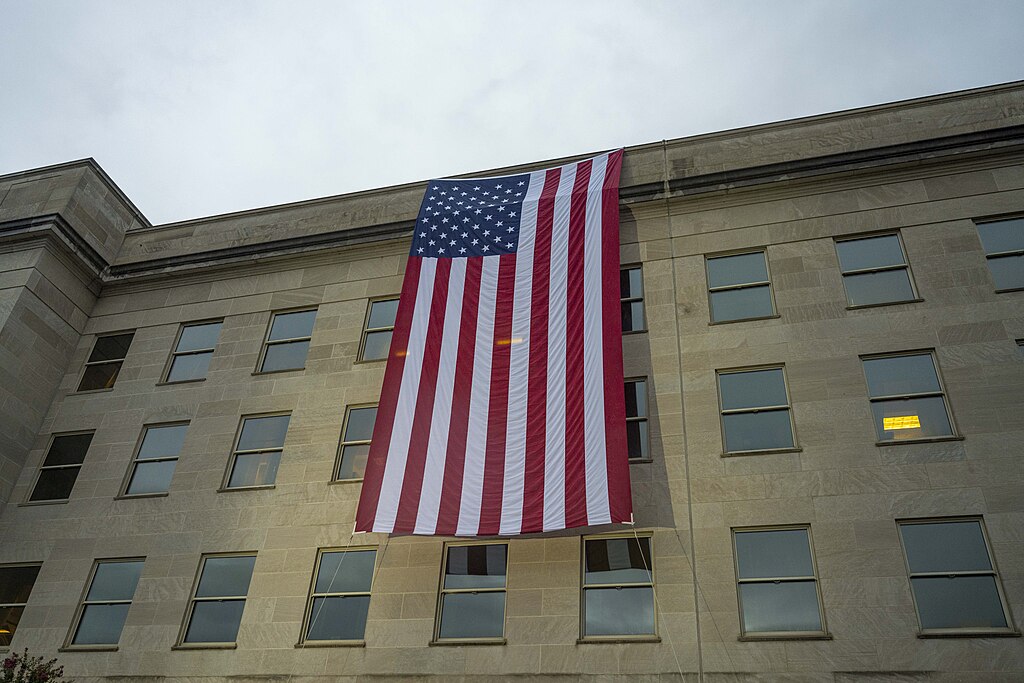
The U.S. military is preparing for the possibility of sustained, weeks-long military operations against Iran if President Donald Trump authorizes an attack, according to two U.S. officials familiar with the planning. The preparations signal a potentially significant escalation in U.S.-Iran tensions and could mark a more serious conflict than previous confrontations between the two nations.
Diplomatic efforts are still underway. U.S. envoys Steve Witkoff and Jared Kushner are scheduled to meet Iranian representatives in Geneva, with Oman mediating the talks. Secretary of State Marco Rubio recently acknowledged that while President Trump prefers a diplomatic agreement with Tehran, reaching a deal remains challenging. Iran has expressed willingness to negotiate limits on its nuclear program in exchange for sanctions relief but has refused to include its ballistic missile program in discussions.
Meanwhile, the Pentagon has strengthened U.S. military presence in the Middle East. An additional aircraft carrier, along with thousands of troops, fighter jets, and guided-missile destroyers, is being deployed to the region. These assets provide both offensive strike capabilities and defensive protection against potential Iranian retaliation. Although Trump has previously voiced opposition to deploying U.S. ground forces in Iran, the current buildup suggests air and naval strike options are under consideration.
Officials indicate that any sustained campaign could extend beyond targeting Iranian nuclear facilities to include state and security infrastructure. Iran’s Revolutionary Guard has warned it would retaliate against U.S. military bases across the Middle East, including those in Qatar, Bahrain, Kuwait, Saudi Arabia, the United Arab Emirates, Jordan, and Turkey. Experts caution that such retaliation could trigger broader regional conflict.
Trump has repeatedly warned that failure to reach a diplomatic solution over Iran’s nuclear and missile programs could lead to severe consequences. Iranian opposition figure Reza Pahlavi has argued that U.S. military intervention could accelerate political change within Iran. As negotiations continue, the risk of escalating military confrontation between the United States and Iran remains high, raising global security concerns.







