


 Macron, Trump Discuss Ukraine-Russia Energy Strike Moratorium
  US-China Talks Target AI, Tariffs Ahead of Trump-Xi Summit
  Australia Defends Social Media Algorithm Law Amid US Concerns
  AfD Wins German State Election as Merz’s CDU Hits Historic Low
  US Immigration Arrests Surge as Deportations Lag Behind
  Trump Grants Clemency to Jay-Z Associate Emory Jones
  Zelenskiy Meets CIA Chief John Ratcliffe at Ireland’s Shannon Airport
  FAA Allows Boeing to Sell 35 More 777F Freighters Beyond 2028
  Australia Tightens Student Visa Rules, Targets Migration Cut by 2028
  Trump Sets High-Stakes UN Meetings With Zelenskiy, Gulf Leaders
  Trump Plans Military Complex Inside Washington Triumphal Arch
  DOJ Will Investigate AI-Related Crimes, Attorney General Blanche Says
  Nvidia-Groq AI Chip Deal Faces U.S. Antitrust Probe
  Paramount-Warner Bros $110 Billion Deal Draws Antitrust Backlash
  US Bans Canadian Alcohol, Motorcycles as Trade War Escalates
  Synthetic data could ease people’s concerns about privacy breaches. But who gets to create it?


 Add as a preferred source on Google
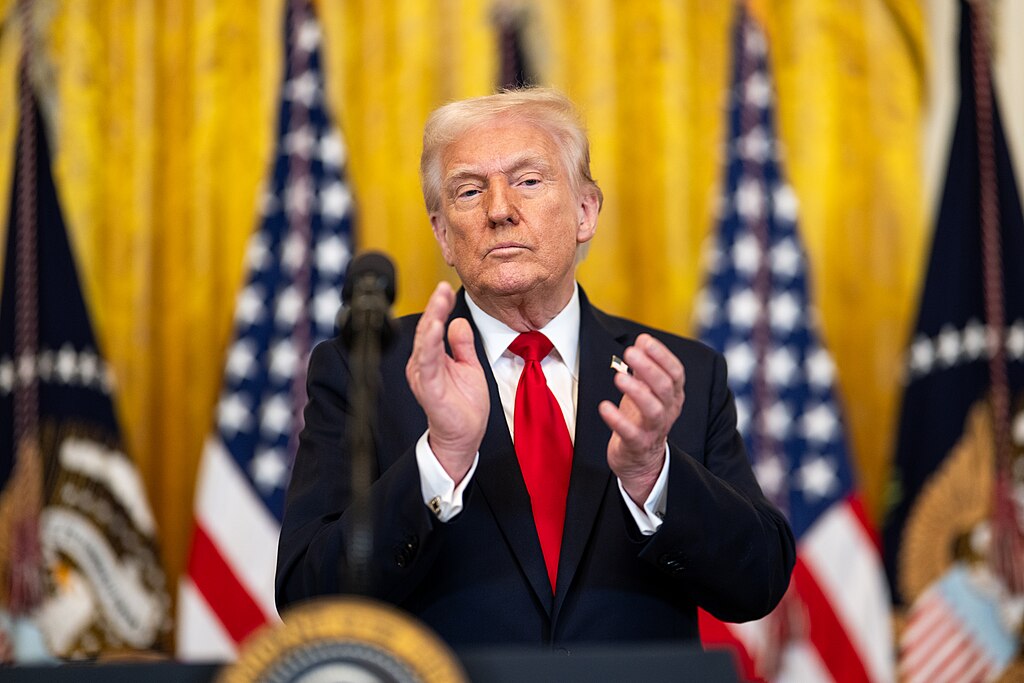
U.S. President Donald Trump announced Friday that he intends to pursue voter identification requirements for the upcoming November midterm elections, with or without congressional approval. The statement, made on Truth Social, signals a renewed push for stricter election laws and has reignited debate over federal versus state authority in U.S. elections.
Trump said he plans to issue an executive order mandating voter ID requirements but did not provide specific details or clarify the legal basis for such action. His proposal aligns with a House-passed bill backed by Republican lawmakers that would require proof of citizenship to vote in U.S. federal elections. However, the legislation is unlikely to advance in the Senate, where similar measures have previously stalled.
The voter ID bill represents the latest iteration of election reform proposals that gained traction during the 2024 presidential campaign. These efforts were largely fueled by Trump’s repeated claims that widespread voter fraud contributed to his 2020 election loss—allegations that have been widely disputed and rejected by courts. Comparable bills passed the House twice, including last April and again in 2024, but ultimately failed to secure Senate approval.
Under the U.S. Constitution, state governments are primarily responsible for administering elections, with oversight typically handled by county and local officials rather than the federal government. Legal experts note that any executive order seeking to impose nationwide voter ID requirements could face significant constitutional challenges.
Republicans currently hold narrow majorities in both the House of Representatives and the Senate. Historically, the president’s party tends to lose congressional seats during midterm elections, adding political weight to the debate over election integrity and voting regulations.
As the 2026 midterm elections approach, Trump’s executive order proposal is likely to intensify discussions surrounding voter ID laws, proof of citizenship requirements, and the balance of power between state and federal election authority.







