


 US Senate Rejects Iran War Powers Resolution in 50-49 Vote
  Netanyahu’s Brief US Trip Highlights Strains With Trump
  Sudan Rejects US Legitimacy Remarks, Defends Sovereignty
  France Defends Netanyahu Airspace Clearance Despite ICC Warrant
  US Backs Musk in Fight Against EU’s €120 Million X Fine
  Mexico-US Trade Talks Delayed to October as Tariff Negotiations Continue
  Ghana Says Western Support Growing for Slave Trade Reparations
  Najib Razak Seeks Stay of 15-Year 1MDB Prison Sentence
  Yemen Violence Displaces 130,000 as Civilian Toll Rises
  Netanyahu Defends Israel at UN as Delegates Stage Walkout
  Ukrainian Drone Attacks Hit Russian Regions, Injuring at Least 12
  Abbas Reaffirms November 28 Palestinian Elections
  EU Defence Build-Up Too Slow for 2030 Russia Readiness Goal
  Kremlin Says No Decision Yet on Putin-Trump December Summit
  NATO Boosts Intelligence Sharing Amid Russia Hybrid Threats
  Saudi Arabia, Turkey and Pakistan Plan Urgent Defence Talks Over Houthi Attacks
  Trump, Xi Focus on Trade and AI at White House Summit


 Add as a preferred source on Google
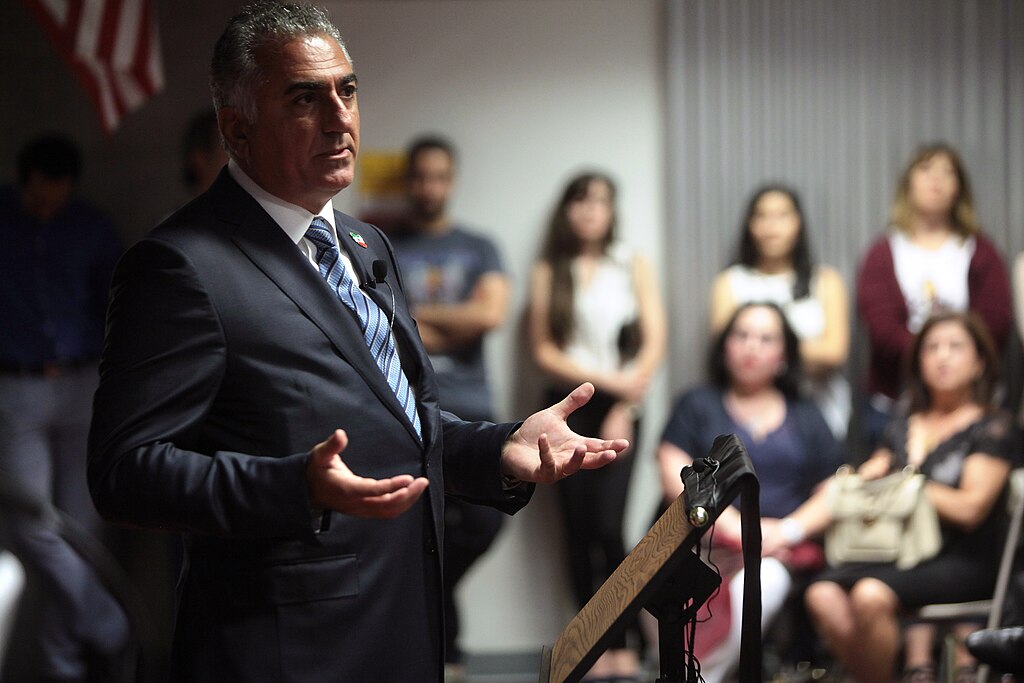
Iranian opposition figure Reza Pahlavi has called for potential U.S. military intervention in Iran, arguing that decisive action could save lives and accelerate political change. Speaking to Reuters on the sidelines of the Munich Security Conference, where Iranian government officials were barred from attending, the exiled son of Iran’s former shah said the Islamic Republic appears to be nearing a breaking point.
Pahlavi, who has lived outside Iran since the 1979 Islamic Revolution, claimed that recent unrest signals growing instability within the Iranian government. Nationwide protests erupted on December 28, initially sparked by economic hardship demonstrations in Tehran’s Grand Bazaar. The movement quickly spread across the country, leading to what authorities described as the most severe crackdown since 1979. Thousands have reportedly been arrested as part of a mass campaign aimed at deterring further anti-government protests.
According to Pahlavi, prolonged negotiations between the United States and Iran over a new nuclear deal may not yield meaningful results. He urged President Donald Trump’s administration to reconsider extended diplomatic talks with Tehran’s clerical leadership. The Trump administration has recently engaged in discussions with Iranian diplomats in Oman while simultaneously increasing U.S. military presence in the region. Additional negotiations are expected in the coming week.
Pahlavi argued that abandoning negotiations in favor of stronger measures could embolden Iranian citizens seeking regime change. He stated that intervention might hasten the collapse of the current leadership and allow protesters to return to the streets. However, Iran’s opposition remains fragmented, with monarchists, reformists, and other factions divided in strategy and influence. In a previous Reuters interview, Trump questioned the extent of Pahlavi’s support inside Iran.
Meanwhile, two anonymous U.S. officials revealed that the U.S. military is preparing contingency plans for a potential sustained operation against Iran if ordered by the president. In a speech to U.S. troops in North Carolina, Trump said Iran has been difficult in nuclear negotiations and suggested that applying pressure could be necessary to resolve the standoff.
The evolving situation underscores mounting tensions between Washington and Tehran, as debates continue over diplomacy, military action, and the future of Iran’s political landscape.







