


 Wall Street Falls as Treasury Yields Surge, Oil Rebounds on Iran Tensions
  U.S. Treasury Yields Surge as 30-Year Hits 22-Year High
  Russian Envoy Dmitriev Heads to US for Ukraine Talks
  NATO Boosts Intelligence Sharing Amid Russia Hybrid Threats
  Japan Private-Sector Growth Slows as Domestic Demand Weakens
  Kremlin Says No Decision Yet on Putin-Trump December Summit
  Dollar Holds Near Two-Month High as Yen Approaches 160
  Russian Missile and Drone Attack on Kyiv Kills Two, Damages Maternity Hospital
  Ukrainian Drone Attacks Hit Russian Regions, Injuring at Least 12
  Oil Prices Jump 3% as Houthi Attack Revives Supply Fears
  South Korea, US Discuss Warship Building Cooperation
  France Defends Netanyahu Airspace Clearance Despite ICC Warrant
  Trump Asks Supreme Court to Restore Third-Country Deportations
  Asian Stocks Fall as Surging Bond Yields Rattle Markets
  Trump, Xi Visit US National Archives After White House Summit
  Pezeshkian Says US Must Choose When Iran War Ends
  Mexico-US Trade Talks Delayed to October as Tariff Negotiations Continue


 Add as a preferred source on Google
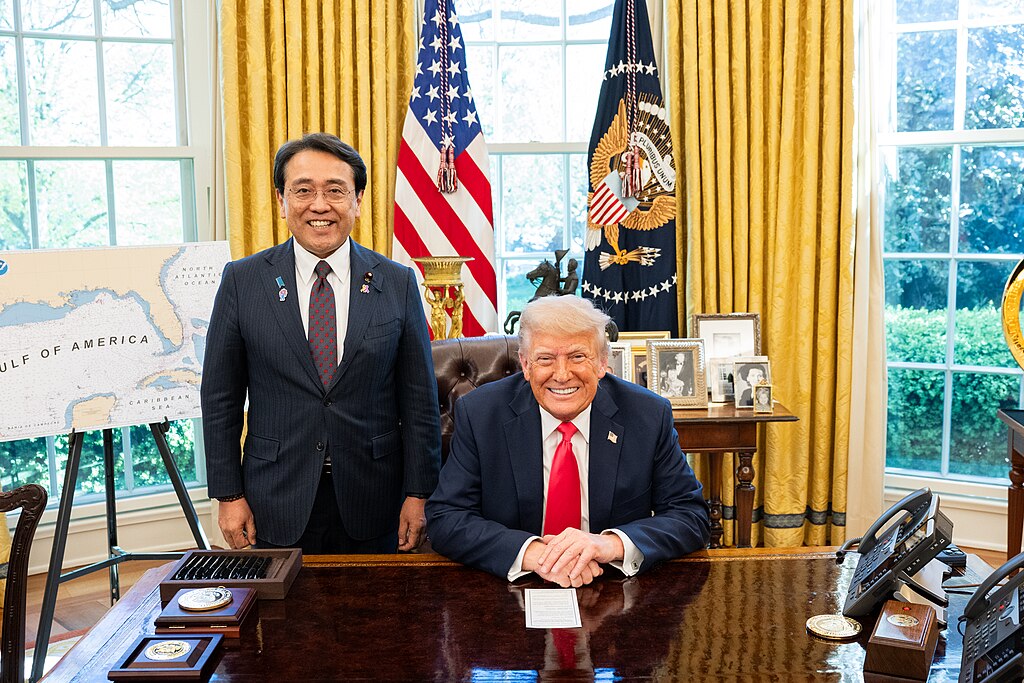
Japan and the United States have agreed to accelerate negotiations on the first round of projects under Tokyo’s $550 billion investment package, as both sides work to resolve outstanding issues. Japanese Trade Minister Ryosei Akazawa confirmed the development on Thursday following discussions in Washington, highlighting the need for closer coordination to finalize key components of the agreement.
According to Akazawa, several areas still require detailed alignment, particularly regarding financial metrics such as projected interest rates and overall project viability. These technical assessments have made negotiations increasingly complex. While both governments are committed to advancing the deal, Akazawa noted that it remains unclear which projects will be finalized first or when formal announcements will be made.
The investment package was originally designed as part of Japan’s broader trade agreement with the United States to ease tariffs on Japanese exports. Washington has been urging Tokyo to move more quickly in implementing the framework, especially as global trade tensions continue to shape economic policy decisions. The talks are also being conducted with Prime Minister Sanae Takaichi’s planned visit to the United States in mind, with both sides aiming to deliver tangible progress ahead of high-level meetings.
The $550 billion investment initiative is expected to include a mix of equity investments, direct loans, and loan guarantees. Major Japanese state-backed institutions, including the Japan Bank for International Cooperation (JBIC) and Nippon Export and Investment Insurance (NEXI), will play a central role in financing and risk mitigation.
Meanwhile, U.S. President Donald Trump has warned South Korea of potential tariff increases, accusing Seoul of delaying progress on a similar trade and investment agreement reached last year. The situation underscores Washington’s broader push to secure faster implementation of bilateral trade commitments across Asia.
As negotiations intensify, the Japan-U.S. investment deal remains a critical pillar in strengthening economic cooperation, stabilizing trade relations, and promoting long-term bilateral growth.







