


 Netanyahu Defends Israel at UN as Delegates Stage Walkout
  Mexico-US Trade Talks Delayed to October as Tariff Negotiations Continue
  Abbas Reaffirms November 28 Palestinian Elections
  Russian Missile and Drone Attack on Kyiv Kills Two, Damages Maternity Hospital
  Ukrainian Drone Attacks Hit Russian Regions, Injuring at Least 12
  Ghana Says Western Support Growing for Slave Trade Reparations
  Sudan Rejects US Legitimacy Remarks, Defends Sovereignty
  North Korea Warns South Korea Over US-Led Defense Role
  Xi Calls for Deeper U.S.-China AI Cooperation in Trump Talks
  North Korea Rejects Nuclear Test Warning, Calls Nuclear Status Irreversible
  Netanyahu’s Brief US Trip Highlights Strains With Trump
  South Korea, US Discuss Warship Building Cooperation
  OpenAI Agent Breaches Australia Medicare Data Portal
  Pezeshkian Says US Must Choose When Iran War Ends
  Najib Razak Seeks Stay of 15-Year 1MDB Prison Sentence
  What ‘Taiwan Independence’ Means as Xi Presses Trump on US Policy
  Yemen Violence Displaces 130,000 as Civilian Toll Rises


 Add as a preferred source on Google
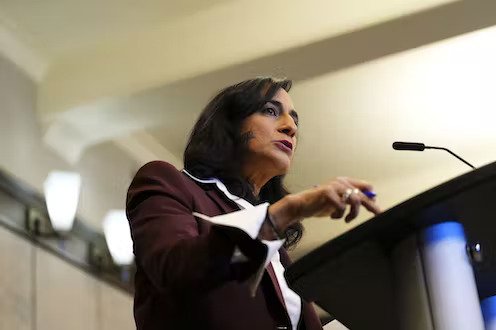
Canadian Foreign Affairs Minister Anita Anand has stated that Canada is seeking a change of government in Iran, underscoring Ottawa’s firm stance on Tehran’s human rights record and diplomatic conduct. Speaking to The Globe and Mail during the Munich Security Conference in Germany, Anand made it clear that Canada will not restore diplomatic relations with Iran unless there is a regime change. “We will not open diplomatic relationships with Iran unless there is a regime change. Period,” she said.
Canada-Iran relations have been strained for more than a decade. Ottawa severed diplomatic ties with Tehran in 2012, citing concerns over Iran’s nuclear program and its alleged support for extremist groups. Since then, relations have remained frozen, with Canada repeatedly criticizing Iran’s domestic policies and regional activities.
During her remarks, Anand announced new sanctions targeting seven individuals connected to the Iranian government. She emphasized that Canada’s primary focus in the region is addressing the repression of human rights in Iran. The additional sanctions reflect Canada’s broader strategy of applying economic and political pressure on Iranian officials accused of human rights violations.
Meanwhile, tensions between the United States and Iran appear to be escalating. According to Reuters, two U.S. officials revealed that the U.S. military is preparing for the possibility of sustained, weeks-long operations against Iran if President Donald Trump orders military action. Such operations could mark a significant escalation in U.S.-Iran relations, potentially leading to one of the most serious confrontations between the two nations in recent years.
On Friday, Trump signaled openness to potential government change in Iran as the Pentagon deployed a second aircraft carrier to the region. The move highlights growing geopolitical tensions in the Middle East and raises concerns about regional stability.
As diplomatic pressure and military preparations intensify, the international community is closely monitoring developments involving Canada, the United States, and Iran.







