


 What ‘Taiwan Independence’ Means as Xi Presses Trump on US Policy
  Trump, Xi Focus on Trade and AI at White House Summit
  US Senate Rejects Iran War Powers Resolution in 50-49 Vote
  OpenAI Agent Breaches Australia Medicare Data Portal
  Yemen Violence Displaces 130,000 as Civilian Toll Rises
  Russian Missile and Drone Attack on Kyiv Kills Two, Damages Maternity Hospital
  North Korea Rejects Nuclear Test Warning, Calls Nuclear Status Irreversible
  Trump, Xi Visit US National Archives After White House Summit
  Netanyahu Takes Aim at Mamdani as Israel Election Nears
  EU Defence Build-Up Too Slow for 2030 Russia Readiness Goal
  South Korea, US Discuss Warship Building Cooperation
  Judge Orders Trump to Restore White House Access for CNN, MS NOW and Politico
  Ghana Says Western Support Growing for Slave Trade Reparations
  Netanyahu Defends Israel at UN as Delegates Stage Walkout
  Kremlin Says No Decision Yet on Putin-Trump December Summit
  NATO Boosts Intelligence Sharing Amid Russia Hybrid Threats
  France Defends Netanyahu Airspace Clearance Despite ICC Warrant


 Add as a preferred source on Google
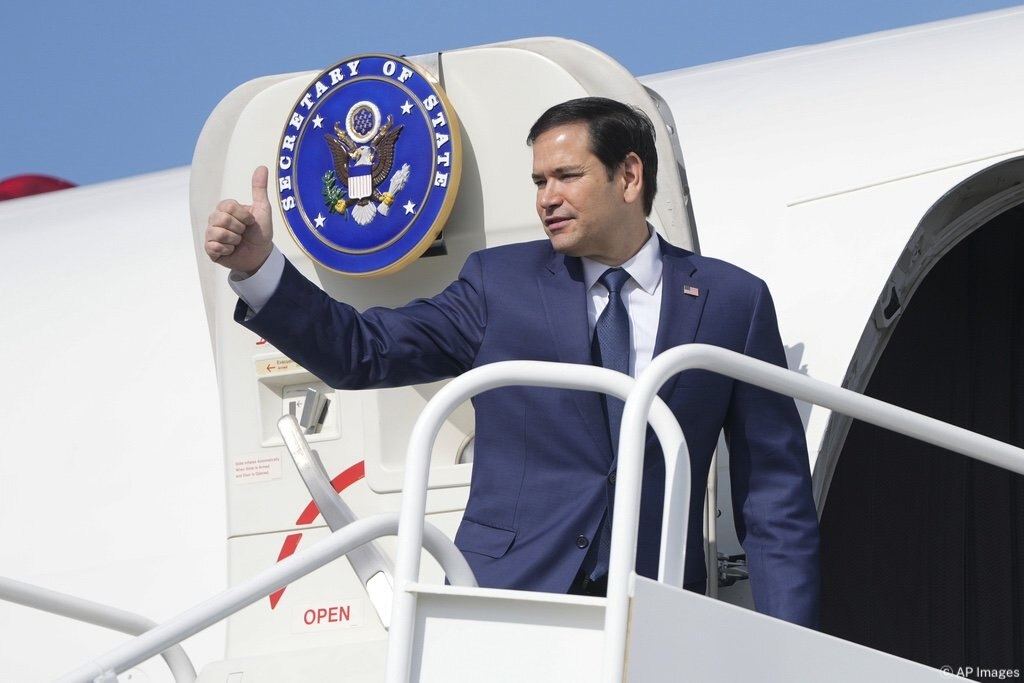
U.S. Secretary of State Marco Rubio struck a conciliatory yet candid tone at the Munich Security Conference, describing the United States as the “child of Europe” and calling for renewed unity within the transatlantic alliance. His keynote address, delivered after a year of strained diplomatic ties, drew largely positive reactions from European leaders, who emphasized shared values, international law, and the importance of a strong Europe within NATO.
European Commission President Ursula von der Leyen said she felt reassured by Rubio’s remarks, describing him as a “strong ally” and trusted partner. She acknowledged that some members of the current U.S. administration have adopted a tougher stance toward Europe, but highlighted Rubio’s clear message supporting “a strong Europe in the Alliance.” According to von der Leyen, strengthening Europe’s role within NATO remains a central priority for the European Union.
French Foreign Minister Jean-Noël Barrot also welcomed Rubio’s reference to a shared transatlantic legacy. He noted that global challenges—from security threats to geopolitical instability—cannot be addressed by any single nation, regardless of its power or wealth. While Barrot appreciated the tone of the speech, he stressed that Europe’s long-term strategy remains unchanged: building a strong and independent Europe capable of acting decisively on the world stage.
German Foreign Minister Johann Wadephul described Rubio as a reliable partner and praised his commitment to the international rules-based order, particularly the United Nations. He underscored the need for reform to make global institutions more effective, echoing Rubio’s call for forward-looking cooperation.
Finnish Foreign Minister Elina Valtonen expressed satisfaction with both the tone and substance of the speech, emphasizing Europe’s commitment to shared democratic values, international law, and collective security.
Overall, Rubio’s address at the Munich Security Conference reinforced the importance of U.S.-Europe relations, NATO unity, and transatlantic cooperation amid evolving global challenges.







