


 Judge Orders Trump to Restore White House Access for CNN, MS NOW and Politico
  Yemen Violence Displaces 130,000 as Civilian Toll Rises
  OpenAI Agent Breaches Australia Medicare Data Portal
  Sudan Rejects US Legitimacy Remarks, Defends Sovereignty
  Trump, Xi Visit US National Archives After White House Summit
  Trump, Xi Focus on Trade and AI at White House Summit
  Netanyahu Defends Israel at UN as Delegates Stage Walkout
  Najib Razak Seeks Stay of 15-Year 1MDB Prison Sentence
  Netanyahu Takes Aim at Mamdani as Israel Election Nears
  What ‘Taiwan Independence’ Means as Xi Presses Trump on US Policy
  Kremlin Says No Decision Yet on Putin-Trump December Summit
  Ghana Says Western Support Growing for Slave Trade Reparations
  Ukrainian Drone Attacks Hit Russian Regions, Injuring at Least 12
  Abbas Reaffirms November 28 Palestinian Elections
  Saudi Arabia, Turkey and Pakistan Plan Urgent Defence Talks Over Houthi Attacks
  South Korea, US Discuss Warship Building Cooperation
  Xi Calls for Deeper U.S.-China AI Cooperation in Trump Talks


 Add as a preferred source on Google
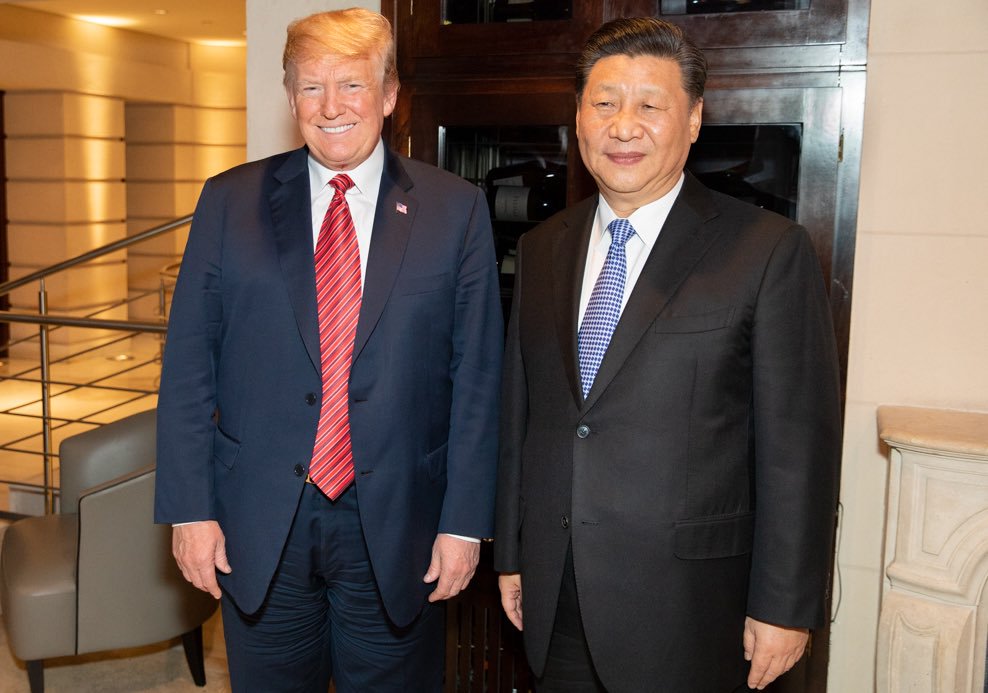
Democratic lawmakers are sharply criticizing the Trump administration for shelving key technology security measures targeting Beijing ahead of an anticipated April meeting between President Donald Trump and Chinese President Xi Jinping. The paused actions, first reported by Reuters, have raised concerns on Capitol Hill about U.S. national security, technology exports, and data protection.
According to reports, the administration halted several proposed restrictions, including a potential ban on China Telecom’s U.S. operations and limits on the sale of Chinese-made equipment used in American data centers. Other measures under review included blocking domestic sales of routers manufactured by TP-Link, restricting the U.S. internet businesses of China Unicom and China Mobile, and prohibiting sales of Chinese electric trucks and buses in the United States.
The White House’s decision comes amid efforts to avoid escalating tensions with Beijing following an October trade truce between Trump and Xi. The administration has also approved Nvidia’s export of its second-most advanced artificial intelligence chips to China and delayed a rule that would have prevented thousands of Chinese companies from purchasing U.S. technology.
Senator Mark Warner, the top Democrat on the Senate Intelligence Committee, accused the administration of prioritizing business interests over national security. He argued that granting export licenses for sensitive U.S. technology and maintaining Chinese firms’ access to American markets could jeopardize U.S. security. House Foreign Affairs Committee Democrats, led by Representative Gregory Meeks, described the move as “appeasement,” claiming it weakens American technology security.
Representative Ro Khanna questioned whether the president is compromising American workers and security ahead of his China visit. Senators Jeff Merkley, Michael Bennet, and Elizabeth Warren also voiced concerns, warning that scaling back safeguards against Chinese telecom companies and cyber threats could undermine the U.S. tech industry and expose sensitive American data.
The White House, Commerce Department, and Chinese embassy have not yet responded to requests for comment.







