


 Taiwan Thanks US for Support Ahead of Trump-Xi Summit
  Ghana Says Western Support Growing for Slave Trade Reparations
  North Korea Warns South Korea Over US-Led Defense Role
  US Senate Rejects Iran War Powers Resolution in 50-49 Vote
  Yemen Violence Displaces 130,000 as Civilian Toll Rises
  Kremlin Says No Decision Yet on Putin-Trump December Summit
  Trump, Xi Visit US National Archives After White House Summit
  Netanyahu’s Brief US Trip Highlights Strains With Trump
  US Backs Musk in Fight Against EU’s €120 Million X Fine
  EU Defence Build-Up Too Slow for 2030 Russia Readiness Goal
  South Korea, US Discuss Warship Building Cooperation
  Xi Calls for Deeper U.S.-China AI Cooperation in Trump Talks
  Russian Missile and Drone Attack on Kyiv Kills Two, Damages Maternity Hospital
  Abbas Reaffirms November 28 Palestinian Elections
  France Defends Netanyahu Airspace Clearance Despite ICC Warrant
  Najib Razak Seeks Stay of 15-Year 1MDB Prison Sentence
  Ukrainian Drone Attacks Hit Russian Regions, Injuring at Least 12


 Add as a preferred source on Google
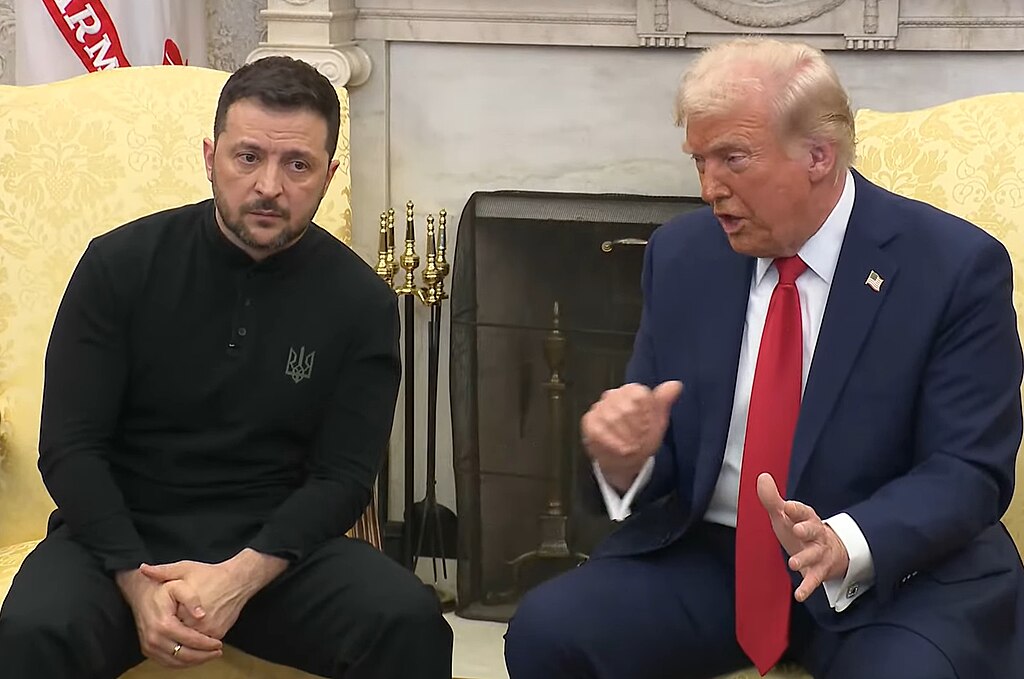
Ukrainian President Volodymyr Zelenskiy said he hopes upcoming U.S.-brokered peace talks in Geneva will deliver meaningful progress toward ending the war, while raising concerns that Ukraine is being asked too frequently to make concessions in negotiations with Russia.
Speaking at the Munich Security Conference on Saturday, Zelenskiy emphasized the importance of serious and substantive trilateral discussions scheduled for next week. The high-level diplomatic meetings, facilitated by the United States, are aimed at advancing peace efforts between Ukraine and Russia amid the ongoing conflict.
“We truly hope that the trilateral meetings next week will be serious, substantive, and helpful for all of us,” Zelenskiy said. However, he expressed frustration over what he described as a disconnect between the parties involved. According to the Ukrainian leader, it sometimes feels as though negotiators are “talking about completely different things,” casting doubt on whether the peace talks in Geneva will yield concrete results.
A key point of concern for Kyiv is the recurring focus on potential concessions. Zelenskiy noted that U.S. officials frequently return to the subject of compromises during discussions, but these concessions are often framed primarily around Ukraine rather than Russia. He suggested that any viable peace agreement must ensure balanced expectations and shared responsibility between both sides.
The remarks underscore growing tensions surrounding diplomatic efforts to resolve the Ukraine-Russia war. As international pressure mounts for a negotiated settlement, Zelenskiy’s comments highlight Ukraine’s position that peace talks must be fair, realistic, and grounded in mutual accountability.
With global attention fixed on the Geneva negotiations, the outcome of these U.S.-mediated peace talks could play a crucial role in shaping the next phase of the conflict and broader European security.







